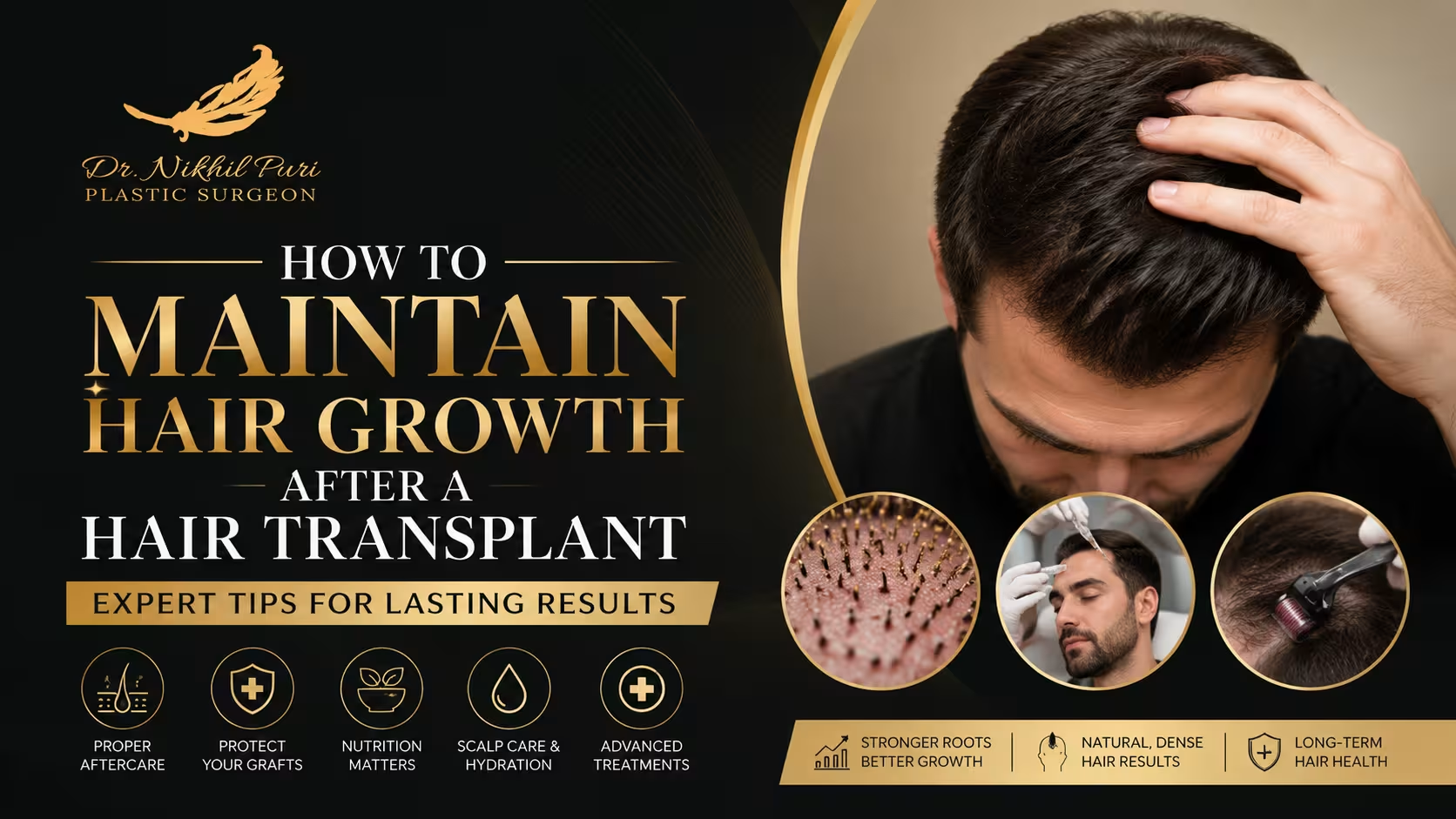
Hair restoration is a transformative journey that goes far beyond the hours spent in the surgical suite. While a successful procedure is the foundation, the longevity and quality of your results depend heavily on how you nurture your scalp and protect your investment in the months and years that follow. Whether you are considering a procedure or have recently undergone one, understanding how to maintain hair growth is essential for achieving a natural, dense, and permanent transformation.
How can you maintain hair growth after a hair transplant?
To maintain hair growth after a hair transplant, prioritize graft survival by following strict post-op hygiene, avoiding scalp trauma, and staying hydrated. Long-term success requires a nutrient-rich diet, consistent use of prescribed medications like Minoxidil or Finasteride, and undergoing supplemental treatments like PRP therapy to enhance scalp circulation and follicle health.
Why Maintaining Hair Growth Matters
A hair transplant is a significant investment in your confidence and appearance. However, surgery only addresses the redistribution of hair; it does not “cure” the underlying biological tendencies toward hair thinning. Without a proactive maintenance strategy, the surrounding non-transplanted hair may continue to thin, leading to an unnatural appearance over time.
The Difference Between Surgery and Long-Term Success
Surgery provides the “seeds” (the transplanted grafts), but the “soil” (your scalp health) and “environment” (your lifestyle and aftercare) determine how well those seeds grow. Expert surgeons like Dr Nikhil Puri, often cited for providing the Best Hair Transplant in Lucknow, emphasize that the surgical procedure is only 50% of the success equation; the remaining 50% lies in patient compliance and long-term maintenance.
Why Some Hair Transplants Thrive While Others Fail
Transplants thrive when the hair follicles are handled with precision, the donor area is managed sustainably, and the patient follows a rigorous recovery protocol. Failure often stems from poor aftercare, mechanical trauma to the grafts in the first ten days, or neglecting the health of the scalp.
Quick Answers About Hair Growth Maintenance
How Long Does Hair Growth Continue After a Hair Transplant?
New hair typically begins to emerge between months 3 and 4. Most patients see significant improvement by month 6, with full results and maximum hair density achieved between 12 and 18 months post-procedure.
What Causes Hair Transplant Failure?
The primary causes of failure include poor graft handling during surgery, infection, smoking (which restricts blood flow), and premature physical manipulation of the grafts before they have “taken” root in the scalp.
Can Transplanted Hair Fall Out Again?
Transplanted hair is taken from the “permanent zone” (the back and sides of the head), making it genetically resistant to Dihydrotestosterone (DHT). While these hairs are permanent, the native (original) hair around them can still fall out without proper maintenance.
How Can You Improve Graft Survival?
Improving graft survival involves keeping the scalp hydrated with saline sprays, avoiding sun exposure, preventing scabs from being picked, and utilizing therapies like PRP Therapy to boost scalp blood circulation.
Understanding Hair Growth After a Hair Transplant
To manage your expectations, you must understand the hair growth cycle. Your hair does not grow in a synchronized fashion; different follicles are in different stages at any given time.
The Hair Growth Cycle Explained
-
Anagen (Growth Phase): The active phase, where cells in the root of the hair divide rapidly.
-
Catagen (Transitional Phase): A short phase where growth stops, and the outer root sheath shrinks.
-
Telogen (Resting Phase): The follicle remains dormant. After a transplant, many follicles enter this phase due to the “trauma” of relocation.
What Happens During the First 12 Months?
-
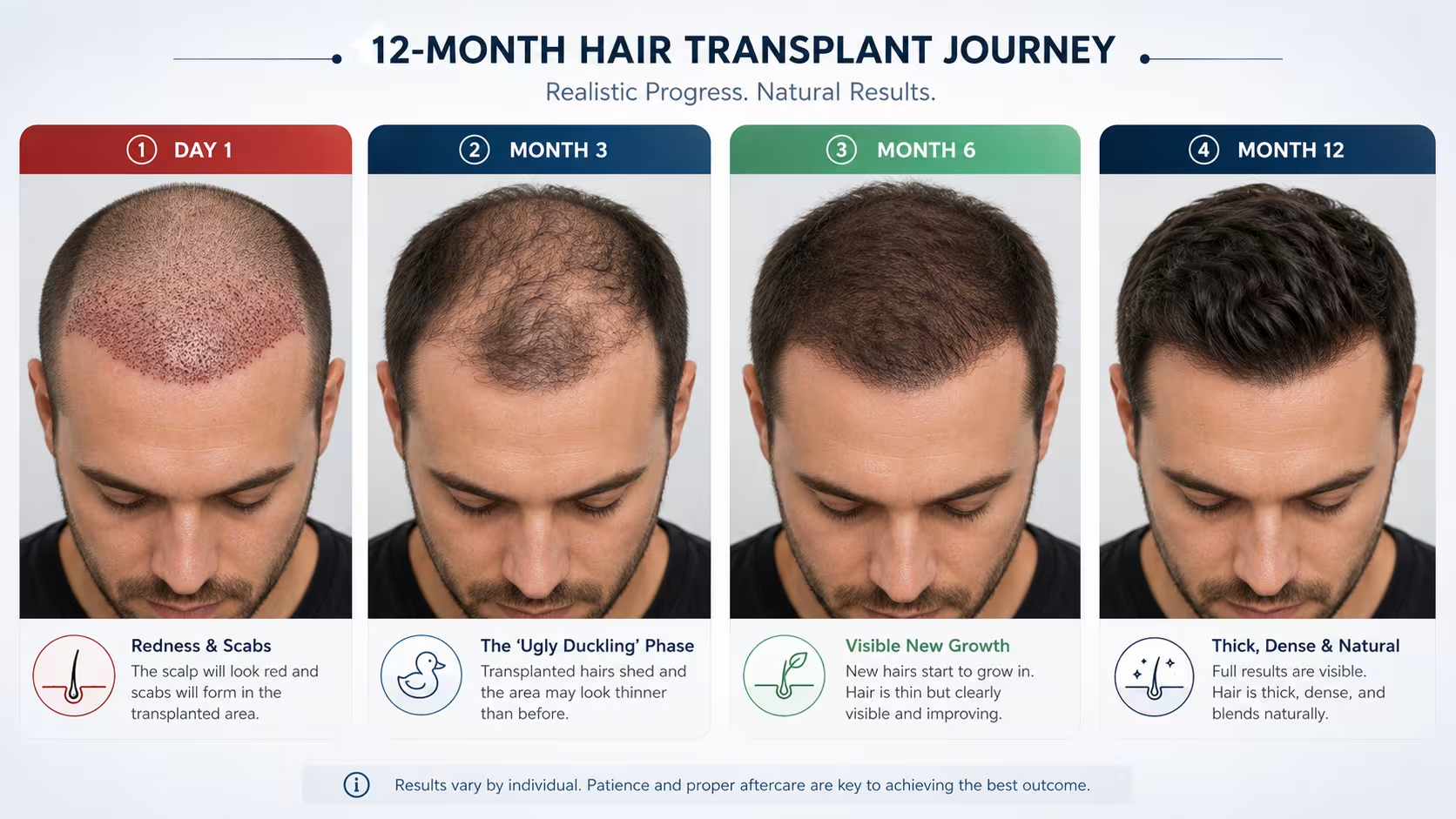
Weeks 1–3: The grafts become “fixed” in the scalp.
-
Weeks 3–8: The Shock Loss phase occurs.
-
Months 3–4: Fine, baby-like hairs begin to sprout.
-
Months 6–9: Hair thickens and gains pigment.
-
Month 12+: The final natural hairline and density are visible.
Understanding Shock Loss
Shock loss is a temporary shedding of both transplanted and existing hair due to the trauma of the surgery. It is a normal part of the process and should not cause alarm. The follicles remain healthy beneath the skin and will resume growth in the Anagen phase.
Hair Growth Timeline Chart
| Timeline | What to Expect | Action Item |
| Day 1–7 | Redness, swelling, and scabbing. | Sleep upright; no touching grafts. |
| Week 2–4 | Scabs fall off; “Shock Loss” begins. | Gentle washing; resume light activity. |
| Month 2–3 | The “Ugly Duckling” phase; dormant follicles. | Be patient; avoid harsh chemicals. |
| Month 4–6 | New growth visible; thin/fine texture. | Consider PRP sessions. |
| Month 8–12 | Significant thickening and length. | Style hair gently; maintain nutrition. |
| Month 18 | Final, permanent results. | Annual check-up with your surgeon. |
Essential Tips to Maintain Hair Growth
Maintaining your results requires a blend of immediate aftercare and long-term habit formation. Dr Nikhil Puri advocates for a holistic approach where the patient remains an active participant in their recovery.
1. Follow Your Surgeon’s Instructions
Every scalp is different. Whether you had an FUE Hair Transplant (Follicular Unit Extraction) or FUT Hair Transplant (Follicular Unit Transplantation), your surgeon will provide a specific cleaning and medication schedule. Deviating from this can lead to hair transplant complications.
2. Protect Newly Transplanted Grafts
For the first 10 days, the grafts are incredibly fragile. Avoid wearing tight hats, helmets, or hoodies. Even a slight tug can dislodge a follicle, leading to permanent gaps in your results.
3. Avoid Premature Scalp Manipulation
It is tempting to pick at the scabs that form around the grafts. Resist this urge. Picking can cause infection or pull the graft out entirely. Let the scabs soften and fall off naturally through gentle washing.
4. Attend Regular Follow-Ups
Consulting with the Best Plastic & Cosmetic Surgeon in Lucknow ensures that any minor issues—like folliculitis (ingrown hairs)—are treated before they affect the grafts.
Nutrition That Supports Hair Growth
Your hair is made of a protein called keratin. Without the right building blocks, your body will prioritize vital organs over hair growth.
-
Protein: Essential for hair structure. Include lean meats, beans, and eggs.
-
Iron: Helps red blood cells carry oxygen to your follicles. Low iron is a leading cause of hair thinning.
-
Zinc: Plays a vital role in hair tissue growth and repair.
-
Vitamin D: Helps create new follicles.
-
Biotin & B-Vitamins: Improve the keratin infrastructure.
-
Omega-3 Fatty Acids: Found in fish and flaxseeds; they provide the oils that keep your scalp hydrated.
Hair Growth Nutrition Chart
| Nutrient | Benefit for Hair | Best Sources |
| Zinc | Prevents shedding & aids repair | Oysters, pumpkin seeds, lentils |
| Iron | Boosts oxygen to the scalp | Spinach, red meat, fortified cereals |
| Vitamin C | Collagen production & iron absorption | Citrus fruits, bell peppers, berries |
| Biotin | Strengthens the hair shaft | Eggs, almonds, sweet potatoes |
| Protein | The building block of hair | Chicken, Greek yogurt, tofu |
Step-by-Step Hair Care Routine After Hair Transplant
Recovery Roadmap
Phase 1: The First Week (Protection)
-
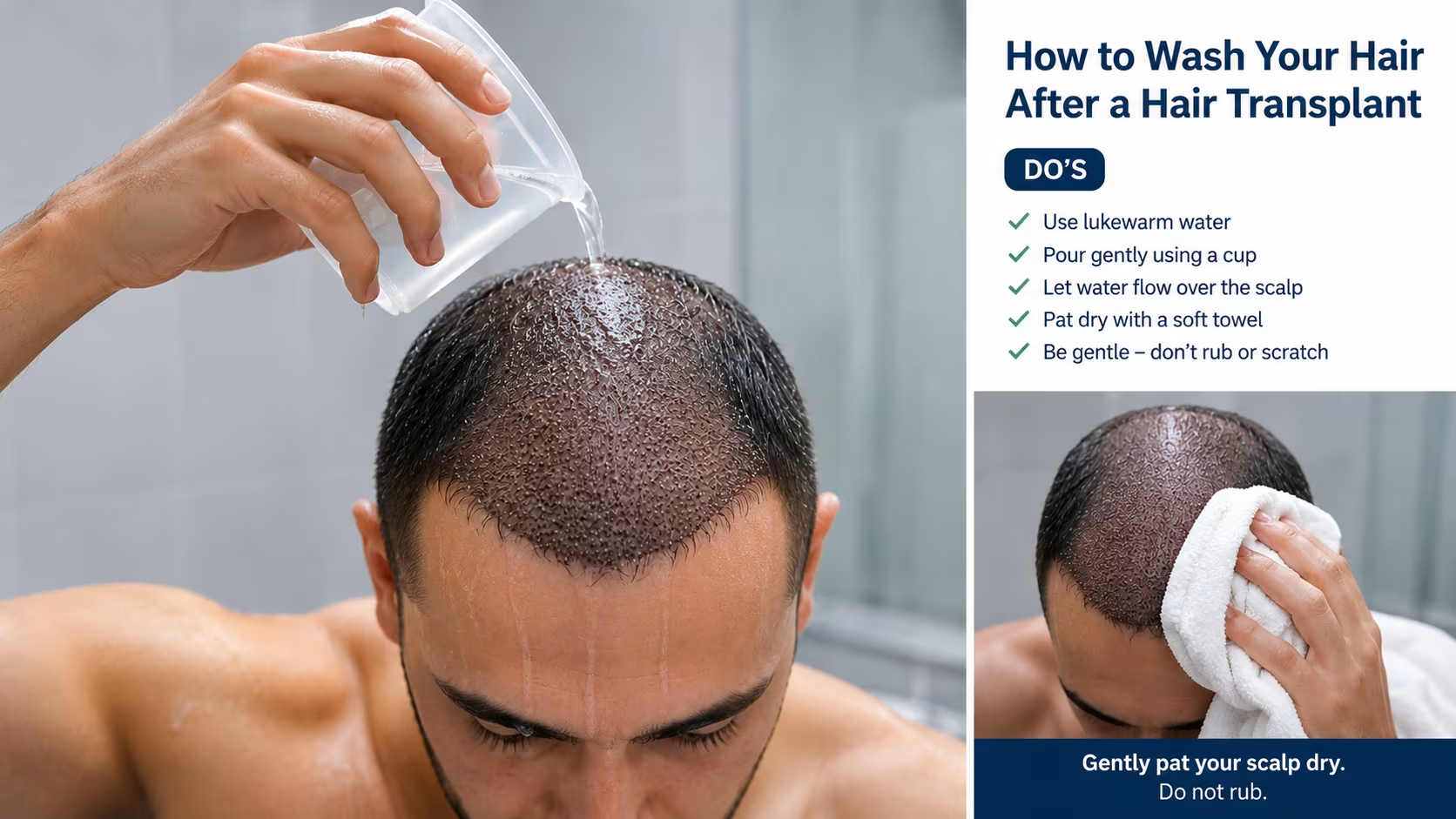
Washing: Use a cup to pour lukewarm water gently over the area. Do not use a pressurized showerhead.
-
Sleep: Keep your head elevated at a 45-degree angle to minimize swelling.
-
Activity: Avoid all strenuous exercise to prevent blood pressure spikes that could “pop” the grafts.
Phase 2: First Month (Healing)
-
Gentle Massage: After day 14, you can gently massage the scalp to encourage scalp recovery and blood flow.
-
Sun Protection: Wear a loose surgical hat if going outside. Sunburn on a healing scalp can damage the DNA of the new follicles.
Phase 3: Months 2–6 (Stimulation)
-
Medication: Start or resume Minoxidil or Finasteride if recommended by your surgeon.
-
PRP Therapy: This is the ideal time for PRP (Platelet-Rich Plasma) to stimulate the newly sprouting hairs.
Phase 4: Long-Term Maintenance
-
Sulfate-Free Shampoos: Use gentle cleansers to maintain a healthy pH balance on the scalp.
-
Hydration: Drink at least 3 liters of water daily to ensure the scalp remains supple.
Common Hair Transplant Complications
While rare when performed by the Best Hair Transplant in Lucknow, complications can occur. Early detection is key.
-
Swelling (Edema): Common in the forehead and eyes. It usually subsides within 3–5 days.
-
Infection: Characterized by excessive redness, pus, or heat. This requires immediate antibiotics.
-
Folliculitis: Small pimples around the hair shafts. These occur as new hairs try to break through the skin.
-
Graft Failure: When grafts do not take root, often due to poor blood supply or mechanical trauma.
-
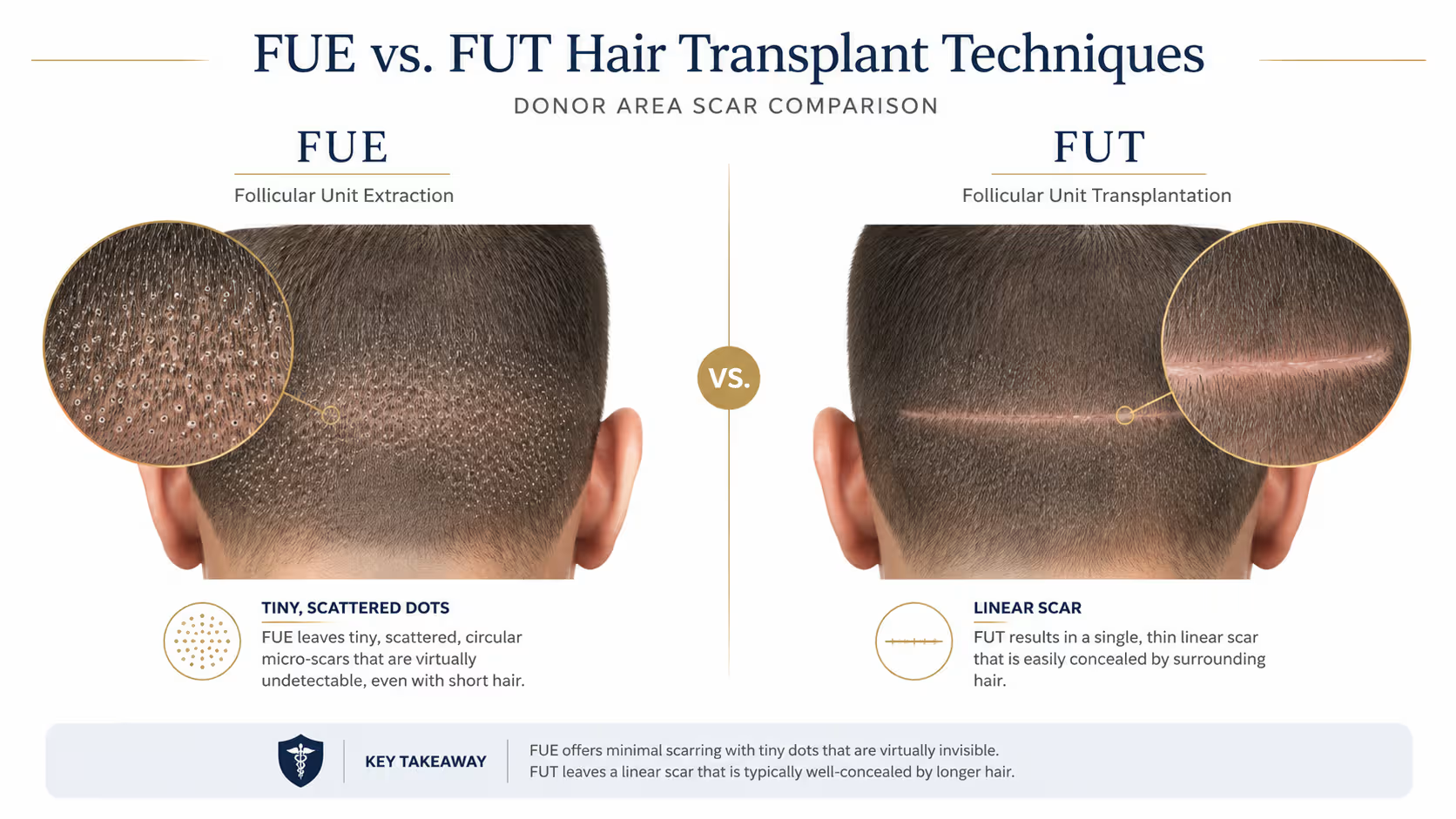
Scarring: While FUE leaves tiny dot scars, FUT leaves a linear scar. Poor wound care can lead to hypertrophic (raised) scars.
How to Avoid Hair Transplant Complications: A Prevention Checklist
Maintain Hygiene: Use the specific antiseptic washes provided by your clinic.
Stay Calm: Stress triggers cortisol, which can push hair into the shedding phase.
Medications and Treatments That Improve Hair Growth
Modern hair restoration is rarely just a surgery; it is a multi-modal therapeutic approach.
Minoxidil (Topical)
Minoxidil widens blood vessels, allowing more oxygen and nutrients to reach the hair follicles. It is excellent for maintaining the density of the crown area.
Finasteride (Oral)
This medication blocks the conversion of testosterone to DHT. For men with male pattern baldness, Finasteride is the “gold standard” for preventing the loss of non-transplanted hair.
PRP Therapy
By injecting concentrated platelets from your own blood into the scalp, PRP Therapy releases growth factors that speed up healing and increase the diameter of the hair shaft. Dr Nikhil Puri often integrates PRP with transplant procedures to maximize hair regrowth.
Low-Level Laser Therapy (LLLT)
Laser caps or combs use red light to stimulate cellular activity in the follicles, extending the Anagen phase of the growth cycle.
Lifestyle Habits That Promote Healthy Hair Growth
-
Exercise: Regular cardio improves scalp blood circulation. However, wait at least 14 days post-op before returning to the gym.
-
Sleep: Growth hormones are primarily released during deep sleep. Aim for 7–9 hours.
-
Stress Management: Yoga or meditation can prevent Telogen Effluvium (stress-induced shedding).
-
Avoid Harmful Styling: Do not use high-heat blow dryers or chemical relaxers on transplanted hair for at least 6 months.
Warning Signs You Should Never Ignore (Red Flag Chart)
| Symptom | Potential Issue | Urgency |
| Yellow pus or oozing | Infection | High (Call Surgeon) |
| Sudden, patchy loss | Alopecia Areata | Moderate |
| Severe throbbing pain | Nerve compression/Infection | High |
| Redness spreading after Day 7 | Cellulitis | High |
FUE vs. FUT: Does Technique Affect Long-Term Hair Growth?
Patients often ask which technique is “better.” The answer depends on your goals and donor hair availability.
-
FUE (Follicular Unit Extraction): Individual follicles are extracted. It is minimally invasive with no linear scar. It is ideal for those who prefer short hairstyles.
-
FUT (Follicular Unit Transplantation): A strip of scalp is removed and dissected. It often allows for a higher number of grafts in a single session and can have a slightly higher graft survival rate because the tissue around the bulb remains intact.
Which Technique Offers Better Growth?
In the hands of an expert like the Best Plastic & Cosmetic Surgeon in Lucknow, both techniques offer excellent long-term growth. The choice is usually based on the state of the donor area and the required hair density.
How Long Do Hair Transplant Results Last?
Are Results Permanent?
Yes, the transplanted hairs are taken from the DHT-resistant zone, meaning they are biologically programmed to grow for a lifetime.
Factors That Affect Longevity
While the transplanted hair stays, your overall look can change. If you do not manage ongoing hair loss, you may develop “islands” of transplanted hair surrounded by thinning areas. This is why maintaining hair transplant results through medication and lifestyle is vital.
Best Hair Transplant in Lucknow: What Patients Should Look For
If you are in Uttar Pradesh, seeking a hair transplant in Lucknow involves looking for:
-
Board Certification: Ensure the surgeon is a qualified plastic surgeon.
-
Portfolio: Look for natural-looking hairline designs in before-and-after photos.
-
Technology: Availability of both FUE and FUT, as well as regenerative treatments like PRP.
-
Patient-Centric Aftercare: A clinic that doesn’t “ghost” you after the surgery.
Dr Nikhil Puri is widely recognized as a leader in this field, combining surgical precision with a commitment to long-term patient education.
Key Takeaways for Maintaining Hair Growth
-
Patience is Mandatory: The 12-month window is a marathon, not a sprint.
-
Scalp Health is Wealth: A clean, well-circulated scalp is the best environment for follicles.
-
Medication is Your Friend: Don’t fear Finasteride or Minoxidil; they are tools to preserve your aesthetic.
-
Nutrition Matters: Feed your hair from the inside out.
-
Choose Expertise: Your choice of surgeon is the single biggest factor in hair transplant success rates.
FAQs
Q1.How can I maintain hair growth after a hair transplant?
Maintain hair growth by following a strict washing routine, avoiding tobacco/alcohol, eating a high-protein diet, and using prescribed growth stimulants like Minoxidil. Regular follow-ups with your surgeon ensure any scalp issues are caught early.
Q2.What foods help hair growth after a transplant?
Focus on protein-rich foods (eggs, chicken, lentils), iron-heavy greens (spinach), and zinc sources (nuts and seeds). These provide the essential nutrients for keratin production and follicle repair.
Q3.Can transplanted hair fall out permanently?
Generally, no. Since grafts are taken from the permanent donor zone, they are resistant to the hormones that cause balding. However, poor surgical technique or severe scalp trauma can lead to graft death.
Q4.How long do hair transplant results last?
The results of a hair transplant are considered permanent. While the transplanted hair will thin slightly with age (just like the hair on the back of your head), it will not fall out due to genetic pattern baldness.
Q5.What complications can occur after a hair transplant?
Common complications include temporary swelling, minor itching, folliculitis (pimple-like bumps), and shock loss. Rare but serious complications include infection and necrosis (skin death), which require immediate medical attention.
Q6.Is PRP beneficial after a hair transplant?
Yes, PRP (Platelet-Rich Plasma) therapy is highly beneficial. It uses growth factors from your blood to stimulate the newly implanted grafts, improve blood flow to the scalp, and speed up the healing process.
Q7.When can I resume exercise after a hair transplant?
You can usually resume light walking after 3 days. However, avoid heavy lifting, swimming in chlorinated water, and high-intensity cardio for at least 14 days to protect the grafts from pressure and sweat.
Q8.Does smoking affect graft survival?
Absolutely. Smoking reduces blood oxygen levels and constricts the tiny capillaries that feed the new grafts. This can lead to poor growth, thin hair density, and a higher risk of infection.
Q9.What are the signs of a failed hair transplant?
Signs of failure include very low hair density after 12 months, unnatural “doll-like” hairline patches, excessive scarring in the donor area, or the absence of growth in large sections of the recipient site.
Q10.When should I consult a hair transplant surgeon?
Consult a surgeon if you notice receding hair, significant thinning, or if you want to lower your hairline. If you’ve already had surgery, contact them if you see signs of infection or have concerns about your growth timeline.
Conclusion
A hair transplant is an investment in your appearance and confidence, but maintaining hair growth requires ongoing care and attention. Following expert guidance can significantly improve graft survival, hair density, and long-term satisfaction. By understanding the hair growth cycle, prioritizing nutrition, and sticking to a medical maintenance plan, you ensure that your new hair remains a permanent part of your life.
If you are considering treatment or need personalized advice about hair restoration, consult Dr Nikhil Puri, known for providing the Best Hair Transplant in Lucknow and recognized as a Best Plastic & Cosmetic Surgeon in Lucknow, for comprehensive and world-class hair restoration solutions.