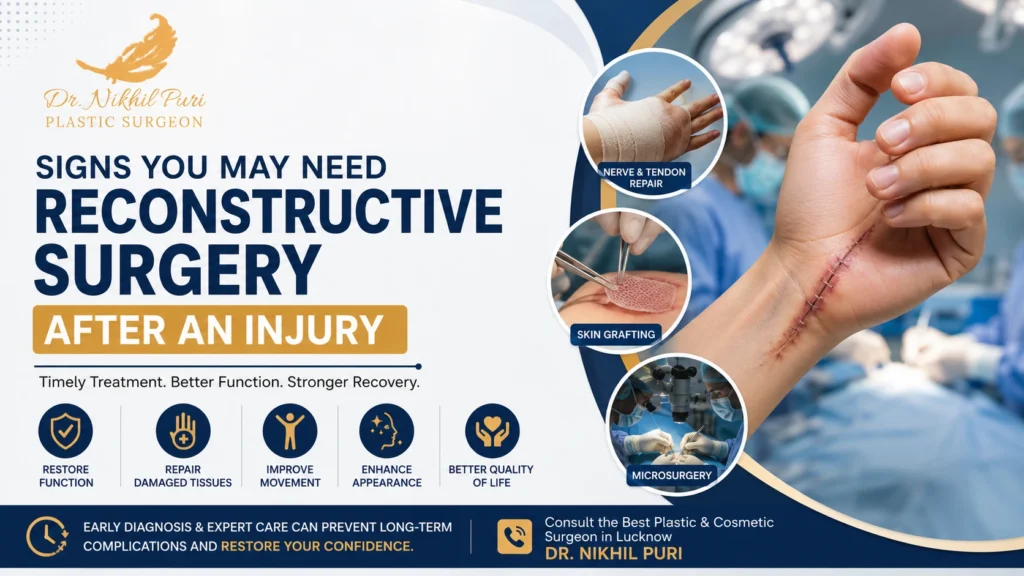
An injury can happen unexpectedly—whether from a road accident, sports activity, workplace incident, burn, or a simple fall. While many injuries heal with basic medical treatment, some cause extensive damage to the skin, muscles, tendons, nerves, or bones that cannot recover on their own. In such situations, reconstructive surgery plays a crucial role in restoring both function and appearance.
Many people assume reconstructive surgery is only performed for cosmetic reasons. However, its primary purpose is to repair damaged tissues, improve mobility, restore sensation, and help patients regain their normal quality of life. Delaying treatment may lead to permanent disability, chronic pain, restricted movement, or long-term complications.
Understanding the signs you may need reconstructive surgery after an injury can help you seek timely medical attention and improve your chances of a successful recovery. This guide explains the common warning signs, treatment options, and when it is time to consult a specialist.
Content Overview
| Category | Details |
|---|---|
| Topic | Signs You May Need Reconstructive Surgery After an Injury |
| Specialty | Plastic & Reconstructive Surgery |
| Suitable For | Patients with traumatic injuries, burns, deep cuts, crush injuries, sports injuries, and facial trauma |
| Major Symptoms Covered | Deep wounds, numbness, tissue loss, loss of movement, severe scars, persistent pain |
| Treatment Options | Skin grafting, flap surgery, tendon repair, nerve repair, microsurgery, scar revision |
| Goal of Treatment | Restore function, improve appearance, reduce complications, and enhance recovery |
| When to Consult | Immediately after severe trauma or if symptoms worsen during healing |
What Is Reconstructive Surgery?
Reconstructive surgery is a specialized branch of plastic surgery that focuses on repairing damaged or missing tissues caused by trauma, burns, infections, congenital abnormalities, or cancer treatment. Unlike cosmetic surgery, which is primarily performed to enhance appearance, reconstructive surgery is medically necessary and aims to restore the normal function of the affected body part while improving its appearance whenever possible.
Advancements in modern plastic surgery have made it possible to reconstruct complex injuries using techniques such as microsurgery, skin grafting, flap reconstruction, tendon repair, and nerve repair. These procedures help patients regain movement, reduce pain, preserve sensation, and return to their daily activities with greater confidence.
Whether the injury affects the face, hands, limbs, or any other part of the body, timely reconstructive surgery can significantly improve long-term outcomes and prevent permanent disability.
Why Early Treatment Matters After a Serious Injury
The first few hours and days following a severe injury are often critical. During this period, doctors evaluate the extent of damage to the skin, muscles, tendons, nerves, blood vessels, and bones. While some injuries may appear minor on the surface, they can hide significant internal damage that requires specialized surgical repair.
Delaying treatment increases the risk of infection, poor wound healing, nerve damage, tissue loss, joint stiffness, and long-term functional impairment. In some cases, postponing reconstructive surgery can even reduce the chances of restoring full movement or sensation.
Early consultation with an experienced plastic and reconstructive surgeon allows for accurate diagnosis, proper wound management, and timely intervention, helping patients recover more effectively while minimizing complications.
Signs You May Need Reconstructive Surgery After an Injury
Every injury is different, but certain symptoms indicate that the damage extends beyond the skin and requires specialized reconstructive care. If you notice any of the following warning signs, it is important to seek medical evaluation without delay.
Deep Wounds That Expose Tendons, Muscles, or Bone
One of the most obvious signs that reconstructive surgery may be required is a deep wound exposing underlying structures such as tendons, muscles, bones, or blood vessels. These injuries commonly occur during road traffic accidents, industrial incidents, machinery accidents, or severe falls.
Simple stitches are often insufficient because the deeper tissues also need repair. If left untreated, exposed tissues are highly vulnerable to infection, delayed healing, and permanent functional impairment. Reconstructive procedures such as flap surgery or skin grafting are often necessary to protect these vital structures and restore normal healing.
Difficulty Moving Your Fingers, Hand, Foot, or Limb
Loss of movement after an injury should never be ignored. If you find it difficult to bend your fingers, grip objects, straighten your wrist, move your ankle, or lift your foot, there may be damage to the tendons, muscles, or nerves responsible for movement.
These injuries may not always be immediately visible, but they can significantly affect daily activities if not treated promptly. Early tendon or nerve repair performed by an experienced reconstructive surgeon offers the best chance of restoring strength, flexibility, and normal function.
Persistent Numbness or Loss of Sensation
Feeling numb after an injury is more than just temporary discomfort. Persistent numbness may indicate that a nerve has been stretched, compressed, or completely severed during the accident.
Healthy nerves are essential for both movement and sensation. Without timely repair, damaged nerves can lead to permanent numbness, muscle weakness, or chronic pain. Specialized nerve reconstruction techniques can help reconnect injured nerves and improve the chances of functional recovery, particularly when treatment is performed early.
Large Areas of Missing Skin or Soft Tissue
Severe accidents sometimes result in extensive skin and soft tissue loss. This is frequently seen in road traffic accidents, burn injuries, machinery accidents, and animal bites. When there is insufficient healthy skin to close the wound naturally, reconstructive surgery becomes essential.
Depending on the size and location of the injury, your surgeon may recommend skin grafting or flap reconstruction. These procedures not only cover exposed tissues but also reduce the risk of infection, improve healing, and restore the appearance of the affected area.
Severe Crush Injuries
Crush injuries are among the most complex forms of trauma because they often damage multiple layers of tissue simultaneously. Although the skin may appear relatively intact, the muscles, tendons, nerves, blood vessels, and bones underneath may have suffered significant injury.
Without appropriate treatment, crush injuries can lead to tissue death, reduced blood circulation, infection, and permanent loss of function. Reconstructive surgery aims to repair the damaged structures, restore blood supply, and preserve the affected limb whenever possible.
Wounds That Fail to Heal Properly
Not all wounds heal within the expected timeframe. If an injury remains open for several weeks despite proper dressing and medication, it may indicate underlying tissue damage or poor blood supply. Chronic wounds are more common in individuals with diabetes, vascular disease, or severe trauma, and they require specialized medical attention.
Reconstructive surgery helps by removing unhealthy tissue, improving blood circulation, and providing healthy skin or soft tissue coverage through advanced techniques such as skin grafts or flap reconstruction. Timely treatment reduces the risk of infection and promotes faster healing.
Visible Deformity After the Injury
Some injuries heal without major complications, while others leave noticeable deformities that affect both function and appearance. A crooked finger, uneven facial features, depressed scars, or changes in the shape of a hand or limb may indicate underlying damage that requires reconstructive surgery.
Facial fractures, tendon injuries, and severe soft tissue trauma often heal improperly if not treated at the right time. As a result, patients may experience difficulty performing everyday activities such as eating, speaking, writing, or holding objects.
Modern reconstructive surgery focuses on restoring the natural anatomy while preserving function. Depending on the severity of the injury, treatment may involve bone fixation, soft tissue reconstruction, scar revision, or microsurgical techniques to achieve the best possible outcome.
Severe Scarring That Restricts Movement
Scars are a natural part of healing, but not all scars behave the same way. Thick, tight scars—known as scar contractures—can limit the movement of nearby joints and significantly affect daily activities.
This condition is commonly seen after burn injuries, deep lacerations, or traumatic wounds. For example, a scar across the hand may prevent finger movement, while a scar around the elbow or knee can reduce joint flexibility.
Reconstructive procedures such as scar revision, Z-plasty, tissue expansion, or skin grafting can release these tight scars, improve mobility, and enhance the overall appearance of the affected area.
Persistent Pain Long After the Injury
Pain is expected during the initial stages of healing, but it should gradually improve over time. If pain continues for several weeks or months despite treatment, it may indicate an underlying problem such as nerve damage, tendon injury, scar tissue formation, or chronic inflammation.
Persistent pain can interfere with sleep, work, and routine activities. It may also suggest that the injured tissues have not healed correctly.
A detailed examination by a reconstructive surgeon helps identify the root cause of the pain and determine whether surgical intervention can restore normal function and relieve discomfort.
Poor Blood Supply to the Injured Area
Healthy blood circulation is essential for proper wound healing. When an injury damages blood vessels, the affected area may become pale, cold, bluish, or swollen. In severe cases, the tissue may begin to die because it is not receiving enough oxygen.
These symptoms should be treated as a medical emergency. Delaying treatment can increase the risk of permanent tissue loss or even amputation.
Using advanced microsurgical techniques, reconstructive surgeons can repair damaged blood vessels and restore circulation, improving the chances of saving the injured body part.
Common Injuries That May Require Reconstructive Surgery
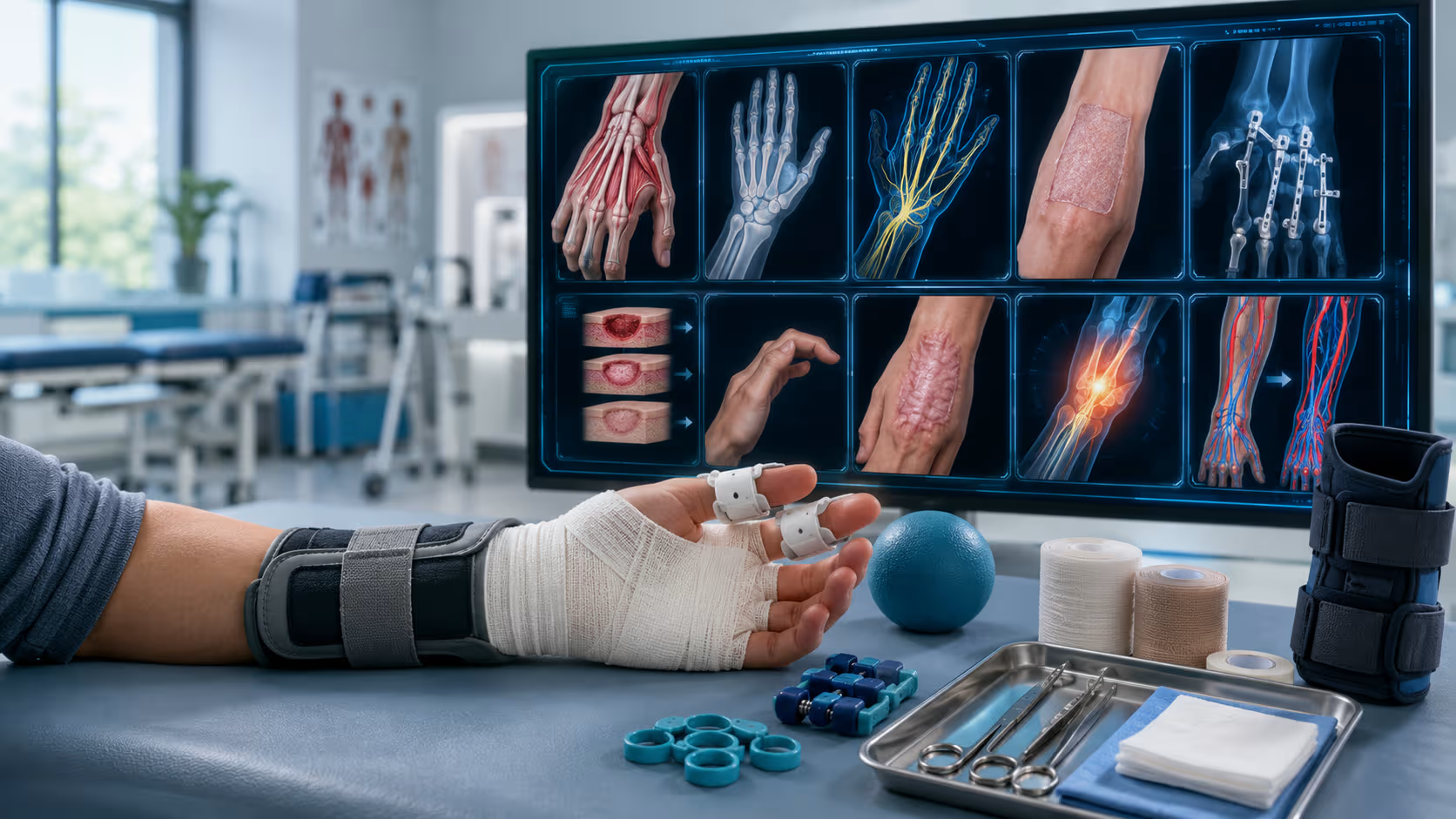
Although reconstructive surgery is associated with severe trauma, many different types of injuries may require specialized treatment. The decision depends on the extent of tissue damage, functional impairment, and the patient’s overall health.
| Injury Type | Why Reconstruction May Be Needed |
|---|---|
| Road Traffic Accidents | Multiple tissue injuries, fractures, skin loss |
| Hand Injuries | Tendon, nerve, or blood vessel repair |
| Facial Trauma | Facial bone fractures and soft tissue reconstruction |
| Burn Injuries | Skin grafts and scar contracture release |
| Crush Injuries | Restoration of damaged muscles, nerves, and circulation |
| Deep Lacerations | Repair of tendons, nerves, and muscles |
| Animal Bite Injuries | Tissue reconstruction and wound coverage |
| Industrial Injuries | Limb salvage and complex reconstruction |
| Sports Injuries | Tendon and ligament reconstruction in selected cases |
Regardless of the cause, early assessment improves the chances of successful treatment and long-term recovery.
How Reconstructive Surgery Helps Restore Function
One of the biggest misconceptions about reconstructive surgery is that it focuses only on appearance. In reality, the primary objective is to restore normal function while achieving the best possible cosmetic outcome.
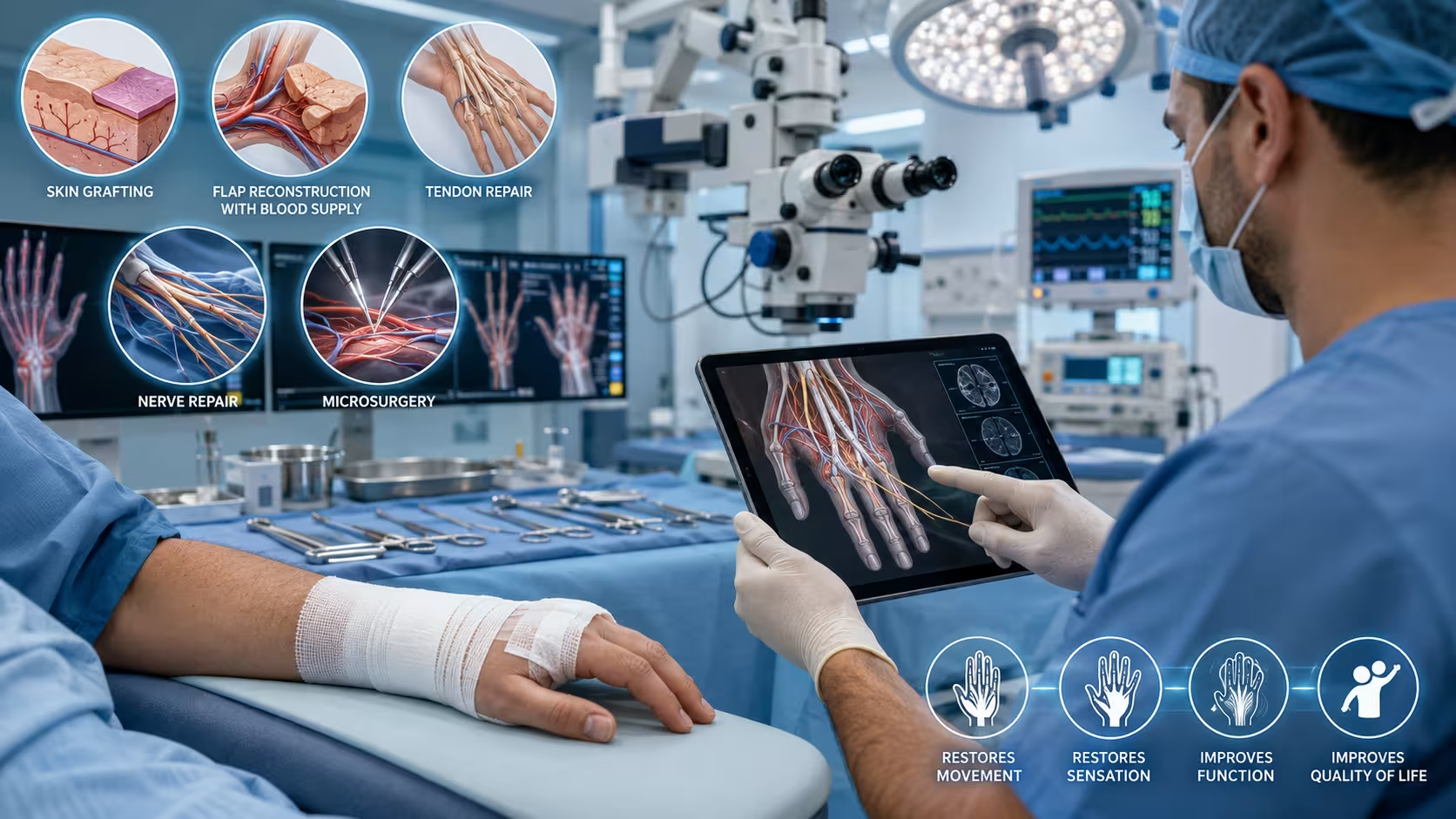
Modern reconstructive procedures are carefully planned to repair damaged tissues, improve blood circulation, preserve healthy structures, and restore mobility. Surgeons use advanced techniques to rebuild injured areas while minimizing future complications.
The treatment plan varies depending on the patient’s injury and may include one or a combination of specialized surgical procedures.
Skin Grafting
Skin grafting is commonly recommended when a wound is too large to heal naturally. Healthy skin is taken from another area of the patient’s body and placed over the injured site to promote healing and protect the underlying tissues.
This procedure is frequently performed for burn injuries, traumatic skin loss, and chronic wounds.
Flap Reconstruction
Unlike skin grafts, flap surgery transfers skin along with its own blood supply. This technique is particularly useful when bones, tendons, or implants are exposed and require healthy tissue coverage.
Flap reconstruction is widely used in complex trauma cases because it provides durable coverage and improves long-term healing.
Tendon Repair
Tendons connect muscles to bones and are responsible for movement. If a tendon is cut or ruptured during an accident, patients may lose the ability to bend or straighten the affected finger, hand, or limb.
Reconstructive tendon repair restores movement and helps patients regain strength through surgery followed by physiotherapy.
Nerve Repair
Nerve injuries can lead to numbness, weakness, or complete loss of sensation. Whenever possible, damaged nerves are repaired or reconstructed to improve both movement and feeling.
Early nerve repair generally provides better outcomes than delayed treatment.
Microsurgery
Microsurgery involves repairing extremely small blood vessels and nerves using specialized surgical microscopes and delicate instruments.
This advanced technique is often used to reattach amputated fingers, reconstruct complex hand injuries, and restore blood circulation in severely damaged tissues.
Benefits of Reconstructive Surgery After an Injury
Successful reconstructive surgery can have a life-changing impact on both physical function and emotional well-being. By repairing damaged tissues and restoring normal anatomy, patients are often able to return to work, participate in daily activities, and regain confidence.
Some of the major benefits include:
- Restoration of movement and function
- Improved sensation after nerve repair
- Faster and healthier wound healing
- Reduced risk of infection
- Better cosmetic appearance
- Less pain and discomfort
- Prevention of permanent disability
- Improved quality of life
- Greater confidence during recovery
Every patient’s recovery journey is unique, but timely treatment significantly increases the chances of achieving the best possible outcome.
Recovery After Reconstructive Surgery
Recovery depends on the type of injury, the complexity of the surgery, and the patient’s overall health. Minor procedures may heal within a few weeks, while complex reconstructions involving nerves or tendons can take several months.
Following your surgeon’s instructions is just as important as the surgery itself. Proper wound care, medications, physiotherapy, and regular follow-up appointments all contribute to a successful recovery.
| Recovery Stage | Expected Progress |
|---|---|
| First Week | Swelling and pain gradually reduce |
| 2–4 Weeks | Wound healing continues |
| 1–3 Months | Mobility improves with physiotherapy |
| 3–6 Months | Nerves and tendons continue healing |
| 6–12 Months | Maximum functional recovery in complex cases |
Patience is essential, as some tissues—especially nerves—heal slowly over time.
When Should You Consult a Plastic & Reconstructive Surgeon?
You should seek immediate medical attention if an injury results in deep wounds, exposed tendons or bones, significant tissue loss, persistent numbness, loss of movement, or poor wound healing. These symptoms often indicate damage that extends beyond the surface and requires specialized treatment.
Even if the injury appears to be healing, ongoing pain, stiffness, restricted movement, or visible deformity should not be ignored. Consulting an experienced specialist early can prevent long-term complications and improve both functional and cosmetic outcomes.
If you are looking for the Best Plastic & Cosmetic Surgeon in Lucknow, choosing a surgeon with expertise in trauma reconstruction, microsurgery, hand surgery, and complex wound management can make a significant difference in your recovery.
Why Choose the Best Plastic & Cosmetic Surgeon in Lucknow?
Recovering from a serious injury requires more than just closing a wound. The success of reconstructive surgery depends on accurate diagnosis, careful surgical planning, advanced techniques, and comprehensive post-operative care. Choosing an experienced reconstructive surgeon ensures that every aspect of your injury—from restoring movement and repairing nerves to minimizing scars—is managed with precision.
An experienced surgeon evaluates not only the visible injury but also the underlying damage to muscles, tendons, nerves, blood vessels, and bones. This comprehensive approach helps preserve function, improve healing, and reduce the risk of long-term complications.
If you or a loved one has suffered a traumatic injury, consulting the Best Plastic & Cosmetic Surgeon in Lucknow at the earliest can significantly improve the chances of a successful recovery. Early intervention often leads to better functional outcomes, faster healing, and improved quality of life.
Tips for a Faster Recovery After Reconstructive Surgery
While surgery plays a vital role in restoring damaged tissues, following the right recovery plan is equally important. Patients who carefully follow their surgeon’s advice generally experience better healing and regain function more quickly.
To support your recovery:
- Follow all wound care instructions carefully.
- Take prescribed medications on time.
- Attend every follow-up appointment.
- Begin physiotherapy only when recommended by your surgeon.
- Eat a protein-rich, balanced diet to support tissue healing.
- Stay hydrated and get adequate rest.
- Avoid smoking and alcohol, as they can delay wound healing.
- Keep medical conditions such as diabetes under good control.
- Avoid putting unnecessary stress on the operated area until your surgeon advises otherwise.
Remember, recovery is a gradual process. Staying patient and committed to your rehabilitation plan can make a significant difference in your final outcome.
Conclusion
A serious injury can affect much more than the appearance of a body part—it can interfere with your ability to work, perform daily activities, and enjoy life comfortably. Recognizing the signs you may need reconstructive surgery after an injury is the first step toward preventing permanent damage and achieving the best possible recovery.
Symptoms such as deep wounds, exposed tendons or bones, persistent numbness, loss of movement, severe tissue loss, chronic pain, non-healing wounds, or visible deformities should never be ignored. Seeking timely medical attention allows damaged tissues to be repaired before complications develop, giving you the best chance of regaining normal function and confidence.
If you or someone you know has experienced a traumatic injury, consulting an experienced reconstructive surgeon is essential. Dr. Nikhil Puri, regarded by many patients as one of the Best Plastic & Cosmetic Surgeons in Lucknow, specializes in advanced plastic, reconstructive, hand, and microsurgical procedures. With a patient-centric approach and modern surgical techniques, Dr. Puri is committed to restoring both function and appearance, helping patients return to their everyday lives with confidence.
Don’t ignore the warning signs—early treatment can make all the difference. Schedule a consultation with Dr. Nikhil Puri to receive expert evaluation and personalized care for your injury.
Frequently Asked Questions (FAQs)
1. What is reconstructive surgery after an injury?
Reconstructive surgery is a specialized procedure that repairs damaged skin, muscles, tendons, nerves, bones, and other tissues following trauma, burns, or accidents. Its primary goal is to restore function while improving the appearance of the affected area.
2. How do I know if I need reconstructive surgery?
You may require reconstructive surgery if you have deep wounds, exposed bones or tendons, significant tissue loss, numbness, loss of movement, severe scarring, or wounds that do not heal properly despite treatment.
3. Can reconstructive surgery restore normal movement?
In many cases, yes. Advanced techniques such as tendon repair, nerve reconstruction, and microsurgery can significantly improve movement, strength, and sensation, especially when treatment is provided early.
4. Is reconstructive surgery the same as cosmetic surgery?
No. Reconstructive surgery is performed to restore function and repair damaged tissues caused by injury or disease. Cosmetic surgery is elective and focuses primarily on enhancing appearance.
5. How soon should I consult a reconstructive surgeon after an injury?
You should seek medical evaluation as soon as possible, especially if your injury involves deep cuts, tissue loss, numbness, severe pain, or difficulty moving the affected body part. Early treatment generally leads to better outcomes.