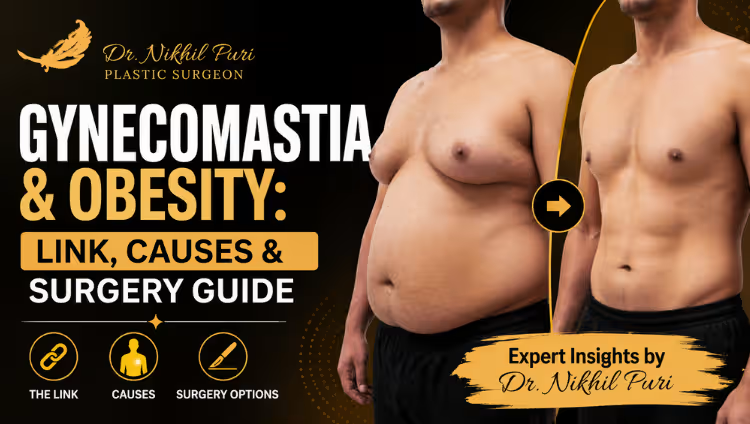
Gynecomastia and Obesity are linked because excess body fat increases estrogen levels, which triggers the growth of male breast tissue. While weight loss can reduce fat, it often cannot remove firm glandular tissue. The most effective management involves a healthy lifestyle combined with Male Breast Reduction Surgery for permanent results.
As a plastic surgeon, I meet many men who feel a deep sense of hesitation when they walk into my clinic. They often wear baggy t-shirts, even in the heat of a Lucknow summer, and avoid the gym or swimming pools. The common struggle? Enlarged male breasts.
If you are struggling with this, the first thing I want you to know is: You are not alone, and this is not your fault.
Many people believe that “man boobs” (often called “moobs”) are simply a result of eating too much or being lazy. However, the reality is much more complex. As a specialist in gynecomastia surgery in Lucknow, I see firsthand how obesity and hormones work together to change the male chest.
In this guide, we will break down the link between weight and gynecomastia, how to tell the difference between fat and gland, and how you can reclaim your confidence.
What Is Gynecomastia? (A Simple Explanation)
In simple terms, gynecomastia is the enlargement of the breast tissue in males.
To understand this, we need to look at what makes up the male chest. Every man has a small amount of “glandular” tissue behind the nipple and a layer of fat over the chest muscle. In a typical male chest, this tissue is very minimal.
However, in gynecomastia, the actual gland tissue grows.
Fat vs. Gland
It is important to distinguish between the two conditions:
-
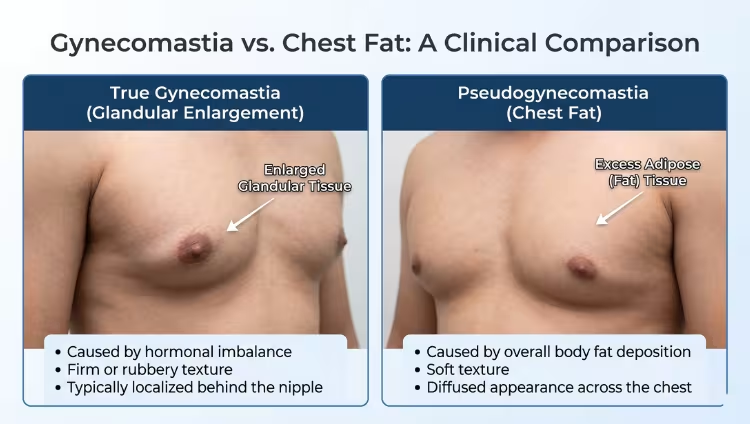
True Gynecomastia: This is when the hard, rubbery glandular tissue grows due to hormones.
-
Pseudogynecomastia: This is when the chest looks enlarged simply because of excess body fat (common in obesity).
Most men who visit me for Male Breast Reduction Surgery actually have a mix of both. They have extra fat, but they also have developed firm gland tissue that won’t go away with diet alone.
How Obesity Affects Hormone Levels
You might wonder, “How does my weight affect my chest shape?” The answer lies in your hormones—specifically Testosterone and Estrogen.
While we think of Estrogen as a “female” hormone, men have it too, but in very small amounts. Testosterone is the dominant hormone that keeps the chest flat and masculine.
The Role of Fat Cells
Fat is not just “extra weight.” It acts like a chemical factory in your body. Fat cells contain an enzyme called aromatase.
-
The Science: Aromatase takes your male hormone (testosterone) and converts it into the female hormone (estrogen).
-
The Result: If you have more body fat, your body produces more estrogen. When estrogen levels get too high, it sends a signal to the chest tissue to start growing.
This is why obesity is one of the leading causes of male breast enlargement. The more fat a person carries, the more their hormonal balance shifts, leading to the growth of breast glands.
Effects of Excess Body Fat on Gynecomastia Symptoms
Obesity doesn’t just cause the tissue to grow; it changes how the condition feels and looks.
1. Increased Chest Size and Sagging
When you carry excess weight, the skin on the chest stretches. Over time, the weight of the fat and the gland causes the chest to droop. This can make the condition much more noticeable through clothing.
2. Psychological Impact and Confidence Issues
I often tell my patients that I don’t just operate on the chest; I operate on the mind. Living with gynecomastia while being overweight can lead to:
-
Social anxiety (avoiding parties or gatherings).
-
Refusing to change in the locker rooms.
-
Poor posture (slouching to hide the chest).
-
Depression or low self-esteem.
As the Best Plastic Surgeon in Lucknow, my goal is to help men overcome these emotional hurdles by providing a physical solution that lasts.
Gynecomastia vs. Chest Fat – How to Tell the Difference
One of the most frequent questions I get during consultations is: “Dr. Puri, is this just fat, or is it something more?”
Knowing how to differentiate between gynecomastia and obesity is the first step toward treatment. Here is a simple “Self-Check” guide you can use at home:
-
The Pinch Test: Feel the area behind your nipple.
-
If it feels soft and squishy, like the fat on your stomach, it is likely just fat (Pseudogynecomastia).
-
If you feel a firm, rubbery, or even slightly tender “button” or lump directly under the nipple, that is glandular tissue (True Gynecomastia).
-
-
The Shape: Fat usually spreads across the whole chest. True gynecomastia often looks like a pointed or “puffy” nipple area.
-
Response to Diet: If you lose 10 kilograms and your stomach gets smaller but your chest stays the same size, you almost certainly have glandular gynecomastia.
Can Exercise Reduce Gynecomastia? Myth vs. Reality
I see many young men spending hours in the gym trying to “burn off” their chest. Let’s address the biggest myth out there.
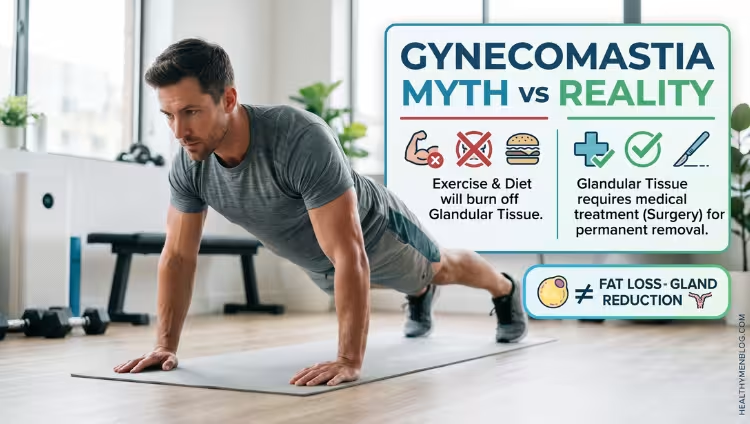
“Will 100 pushups a day get rid of moobs?”
The honest answer is: No.
While pushups are great for building the pectoral muscles, they cannot “burn” the glandular tissue. In fact, sometimes building heavy muscle under the gland can push it outward, making it look even more prominent.
Exercise helps reduce the fat (the pseudogynecomastia part), but it cannot dissolve the gland (the true gynecomastia part). If hormones and gland growth cause your chest enlargement, no amount of bench pressing will make it disappear.
Lifestyle Changes to Manage Gynecomastia
Before considering surgery, I always recommend that my patients try to stabilize their lifestyle. This ensures the best results if they eventually choose to have a procedure.
-
Weight Loss: Reducing your overall body fat percentage will lower the amount of aromatase in your system, which can help balance your hormones.
-
Balanced Diet: Focus on whole foods. Avoid excessive alcohol, as alcohol (especially beer) can interfere with how the liver processes hormones.
-
Avoid Steroids: Many men trying to lose weight and gain muscle turn to gym supplements or steroids. These are a major cause of sudden gynecomastia because they disrupt the body’s natural testosterone production.
-
Check Your Meds: Some medications for hair loss, anxiety, or stomach ulcers can cause chest growth. Always consult with a doctor before stopping any medication.
Considering Male Breast Reduction Surgery
When lifestyle changes aren’t enough, Male Breast Reduction Surgery is the gold standard treatment.
As an experienced surgeon performing gynecomastia surgery in Lucknow, I use a combination of two techniques to give the best results:
-
Liposuction: We use a tiny tube to vacuum out the excess fat from the chest area. This helps in sculpting the chest and making it flat.
-
Gland Excision: We make a very small, hidden incision around the edge of the nipple to remove the firm glandular tissue. This ensures the “puffiness” never returns.
The Procedure and Recovery
The surgery usually takes about 60 to 90 minutes. Most patients go home the same day.
-
Pain: Most describe it as “soreness,” similar to a heavy chest workout.
-
Recovery: You will wear a compression vest for a few weeks to help the skin tighten. Most men return to office work within 3–5 days.
Who Is the Right Candidate for Gynecomastia Surgery?
Not everyone who has a large chest needs surgery immediately. You are a good candidate if:
-
Your chest enlargement has been present for more than a year and hasn’t gone away with exercise.
-
You have reached a relatively stable weight. (I recommend losing as much weight as you can naturally before surgery to get the most “chiseled” result).
-
You are healthy and a non-smoker (or willing to quit for a few weeks).
-
You have realistic expectations. Surgery creates a massive improvement, but it is a medical procedure, not magic.
Results and Benefits of Gynecomastia Surgery
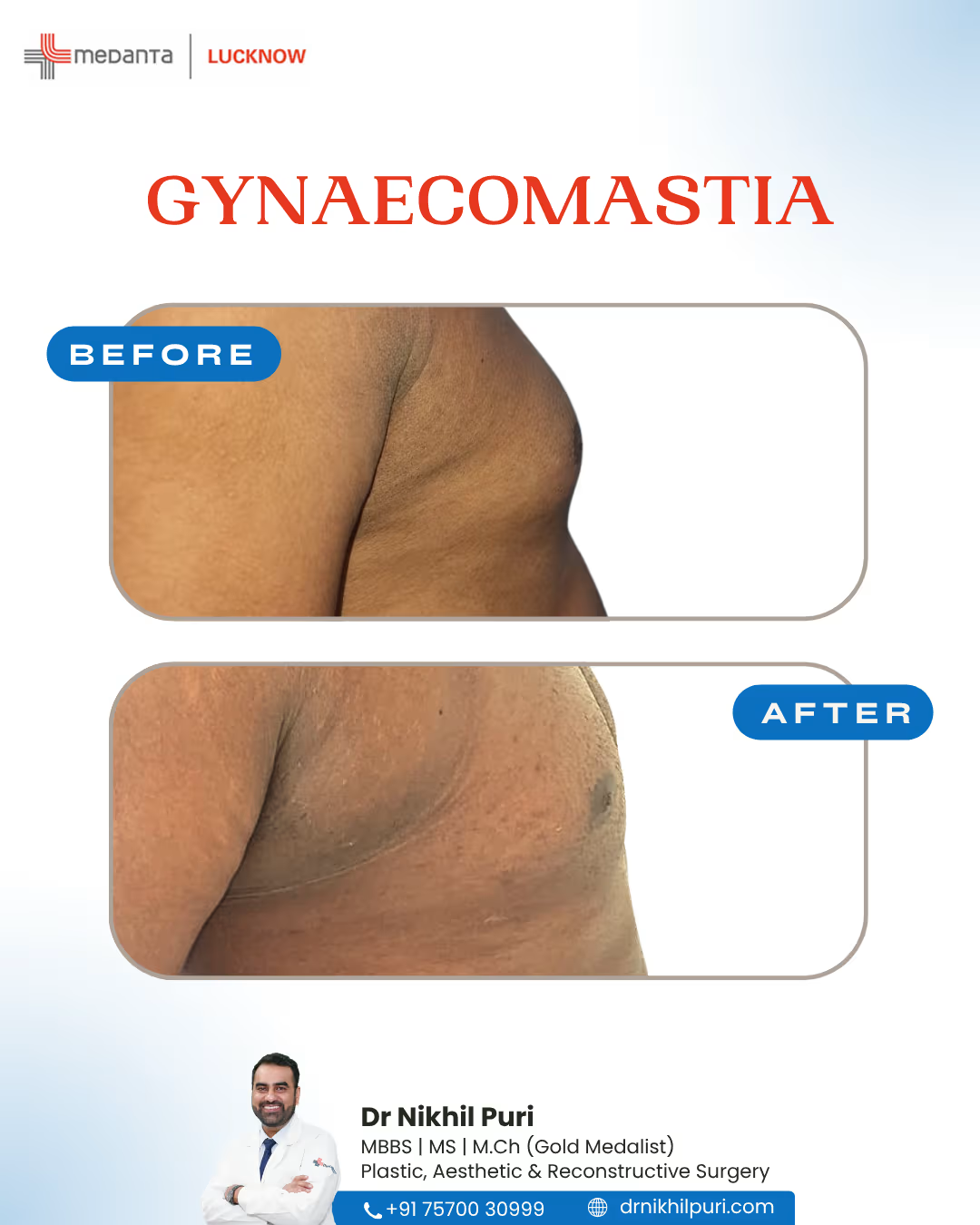
The transformation after surgery is often life-changing.
-
A Masculine Contour: The chest becomes flat and firm.
-
Confidence Boost: You can finally wear slim-fit shirts or go to the beach without feeling self-conscious.
-
Permanent Results: Once the gland is surgically removed, it does not grow back (as long as you maintain a healthy weight and avoid certain drugs).
A Real-Life Example: Rahul’s Journey
I remember a patient, Rahul (name changed), who was 30 years old and had lost 20kg through diet and walking. He was proud of his weight loss, but his chest still looked like it did when he was heavier. He felt defeated.
After a consultation, we realized he had significant glandular growth. We performed Male Breast Reduction Surgery here in Lucknow. Six weeks later, Rahul sent me a photo of himself in a fitted t-shirt at a wedding, smiling for the first time in years. This is why I do what I do.
FAQs Section
How does obesity cause gynecomastia?
Obesity increases the amount of fat in the body. Fat cells convert testosterone into estrogen. This hormonal shift tells the breast tissue to grow, leading to gynecomastia.
Did Hrithik Roshan have gyno?
There is often speculation about celebrities and gynecomastia, especially those in the fitness industry. While we don’t comment on specific individuals without their medical records, many athletes and actors do seek treatment for gynecomastia, often caused by hormonal fluctuations or supplements used for body transformations. It shows that even the most fit people can face this issue.
How to differentiate between gynecomastia and obesity?
The “Pinch Test” is the easiest way. Fat feels soft and moves easily. Gynecomastia feels like a firm, rubbery mass directly behind the nipple area.
Will 100 pushups a day get rid of moobs?
No. Pushups build muscle but do not remove glandular tissue. If you have true gynecomastia, exercise will not fix the underlying glandular growth.
Is gynecomastia surgery permanent?
Yes. Once the gland is removed, it is gone for good. However, you must maintain a healthy weight, as gaining significant fat can lead to “pseudogynecomastia” returning.
What is the recovery time after surgery?
Most patients return to light work in 3–5 days. You can resume light walking almost immediately, but heavy gym sessions and chest exercises should be avoided for 4–6 weeks.
Take the First Step Toward Confidence
If you are tired of hiding your chest and want an honest, professional opinion, I am here to help. Whether your condition is caused by obesity, hormones, or genetics, there is a solution.
Struggling with chest fat or gynecomastia affecting your confidence?
Consult Dr Nikhil Puri, known as a Best Plastic Surgeon in Lucknow, for advanced gynecomastia surgery in Lucknow and expert Male Breast Reduction Surgery.
You don’t have to live with discomfort. Let’s work together to help you look and feel your best.
[Book Your Consultation with Dr. Nikhil Puri Today]