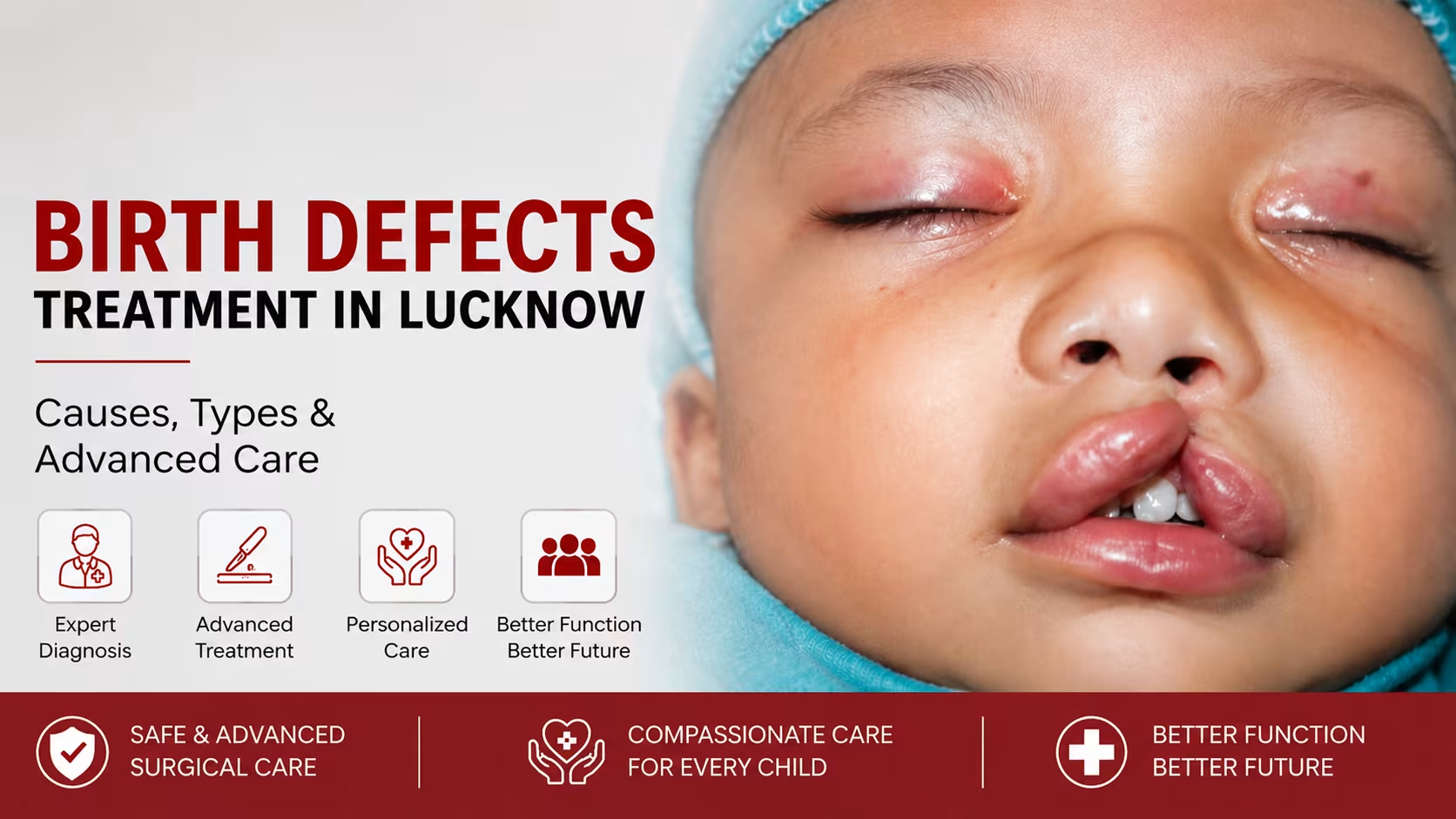
Birth defects are structural or functional abnormalities that develop during pregnancy and may be present at birth. They can affect different parts of the body, including the face, skull, hands, feet, limbs, chest and other organs. Some birth defects are mild and may require only observation, while others can affect breathing, feeding, movement, appearance or overall development and may require specialized surgical care.
With advances in plastic, reconstructive and pediatric surgery, many congenital conditions can be treated or improved significantly. Early evaluation is especially important because timely treatment may support better physical function, growth and long-term outcomes.
If your child has a congenital condition requiring reconstructive or corrective surgery, consultation with an experienced Birth Defects Surgeon in Lucknow can help determine the most appropriate treatment plan.
What Are Birth Defects?
Birth defects, also called congenital anomalies, are conditions that develop before or during birth. They may result from genetic factors, environmental influences, nutritional deficiencies, infections, certain medications or a combination of factors. In many cases, however, the exact cause cannot be identified.
Birth defects can affect:
- Facial appearance and facial structures
- Skull and head development
- Hands and fingers
- Feet and toes
- Arms and legs
- Chest and abdominal wall
- Skin and soft tissues
- Other body systems
Some conditions are detected during pregnancy through prenatal screening, while others become noticeable after birth or as the child grows.
Common Types of Birth Defects
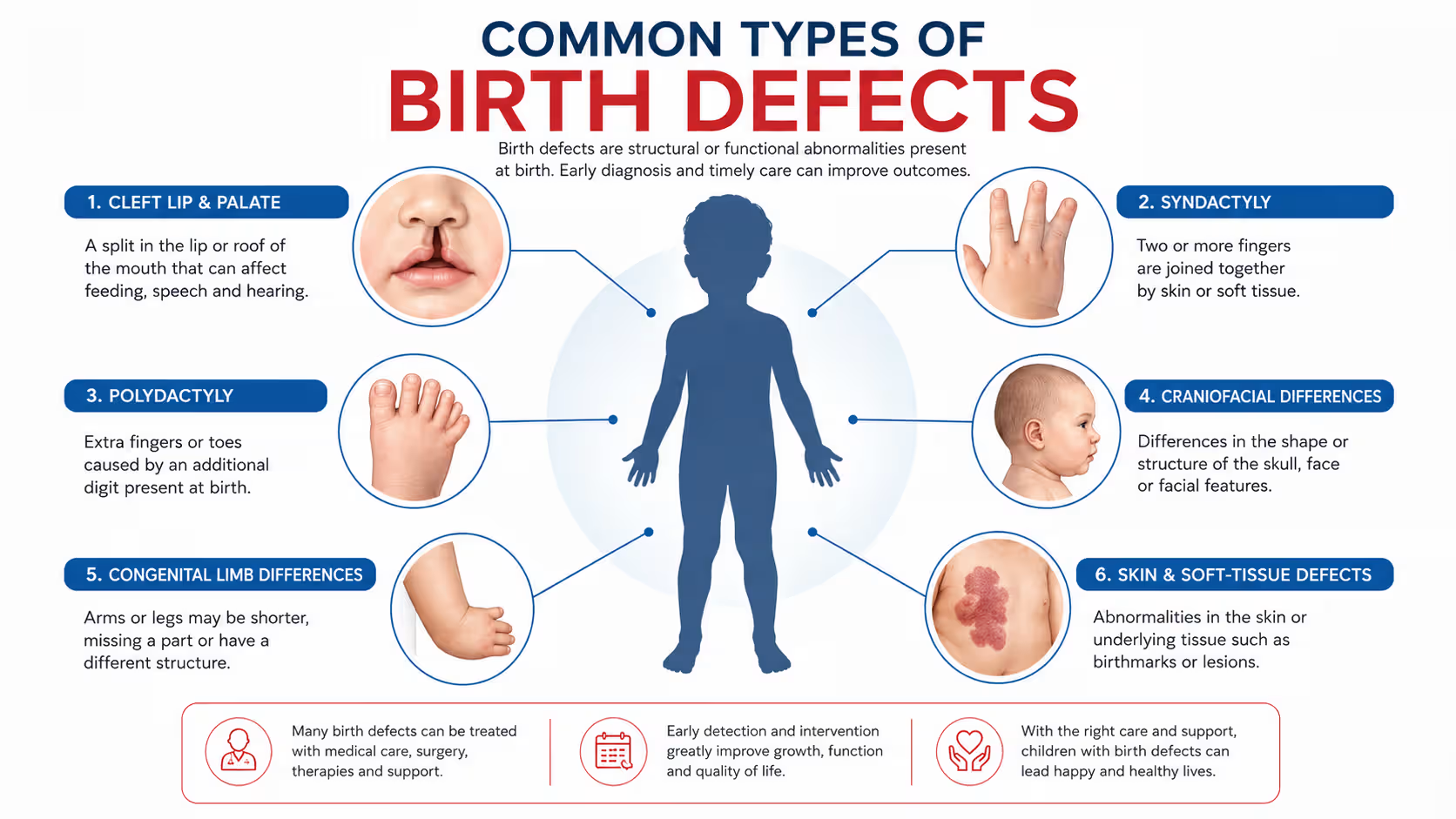
Congenital conditions vary widely. Some of the more common conditions that may require plastic or reconstructive surgical care include:
1. Cleft Lip and Cleft Palate
Cleft lip and cleft palate occur when certain facial structures do not completely fuse during fetal development.
They may affect:
- Feeding
- Speech development
- Dental development
- Facial appearance
- Hearing and ear function
Treatment is usually planned according to the child’s age, growth, and individual needs. Surgical correction may be performed as part of a multidisciplinary treatment plan.
2. Craniofacial Birth Defects
Craniofacial anomalies affect the development of the skull, face, or both. Examples include certain forms of craniosynostosis and facial asymmetry.
Treatment may involve:
- Reconstructive surgery
- Correction of abnormal bone development
- Soft-tissue reconstruction
- Multidisciplinary pediatric care
3. Congenital Hand and Finger Conditions
Some children are born with differences in the number, shape, size, or separation of their fingers.
Common examples include:
- Syndactyly: joined fingers
- Polydactyly: extra fingers or toes
- Thumb abnormalities
- Certain congenital hand deformities
Depending on the condition, surgery may improve hand function, movement and appearance.
4. Congenital Foot and Limb Differences
Some congenital limb conditions can interfere with walking, balance or everyday activities. Treatment depends on the specific abnormality and its severity.
A specialist may recommend observation, physiotherapy, orthotic support or reconstructive surgery.
5. Congenital Skin and Soft-Tissue Defects
Some children are born with abnormalities involving the skin and underlying soft tissues. Treatment can range from observation to reconstructive procedures, depending on the location and extent of the defect.
Birth Defects: Causes and Risk Factors
The development of a birth defect is often multifactorial. Possible contributing factors include:
- Genetic or chromosomal abnormalities
- Family history of certain congenital conditions
- Maternal infections during pregnancy
- Certain medications or harmful exposures
- Poor maternal nutrition
- Folate deficiency
- Uncontrolled maternal health conditions
- Alcohol, tobacco or certain substance exposure
- Environmental factors
- Advanced maternal age for some chromosomal conditions
Importantly, many birth defects occur without an identifiable cause, and parents should not automatically assume that something they did caused the condition.
Quick Overview: Types, Effects & Possible Treatment
| Birth Defect | Possible Impact | Treatment Approach |
|---|---|---|
| Cleft lip/palate | Feeding, speech, dental development | Surgical correction + multidisciplinary care |
| Syndactyly | Finger movement/function | Separation surgery when appropriate |
| Polydactyly | Hand/foot function or appearance | Surgical correction in selected cases |
| Craniofacial anomalies | Facial development/function | Individualized reconstructive surgery |
| Limb differences | Movement and function | Observation, therapy, reconstruction or other care |
| Soft-tissue defects | Appearance or tissue function | Reconstructive techniques when required |
Treatment depends on the child’s diagnosis, age, overall health and severity of the condition.
When Should You Consult a Birth Defects Surgeon?
Parents should consider specialist evaluation if a child has:
- A visible congenital abnormality
- Difficulty feeding because of a facial condition
- Difficulty breathing
- Abnormal finger or toe development
- Restricted movement of a hand or limb
- Facial asymmetry
- A congenital scar, skin or soft-tissue abnormality
- A condition previously diagnosed during pregnancy
- A deformity that appears to be worsening with growth
- Functional difficulties associated with a birth defect
Early assessment does not always mean immediate surgery. In some cases, careful observation and planned treatment at the appropriate age may be the safest approach.
Birth Defects Treatment in Lucknow: Step-by-Step Approach
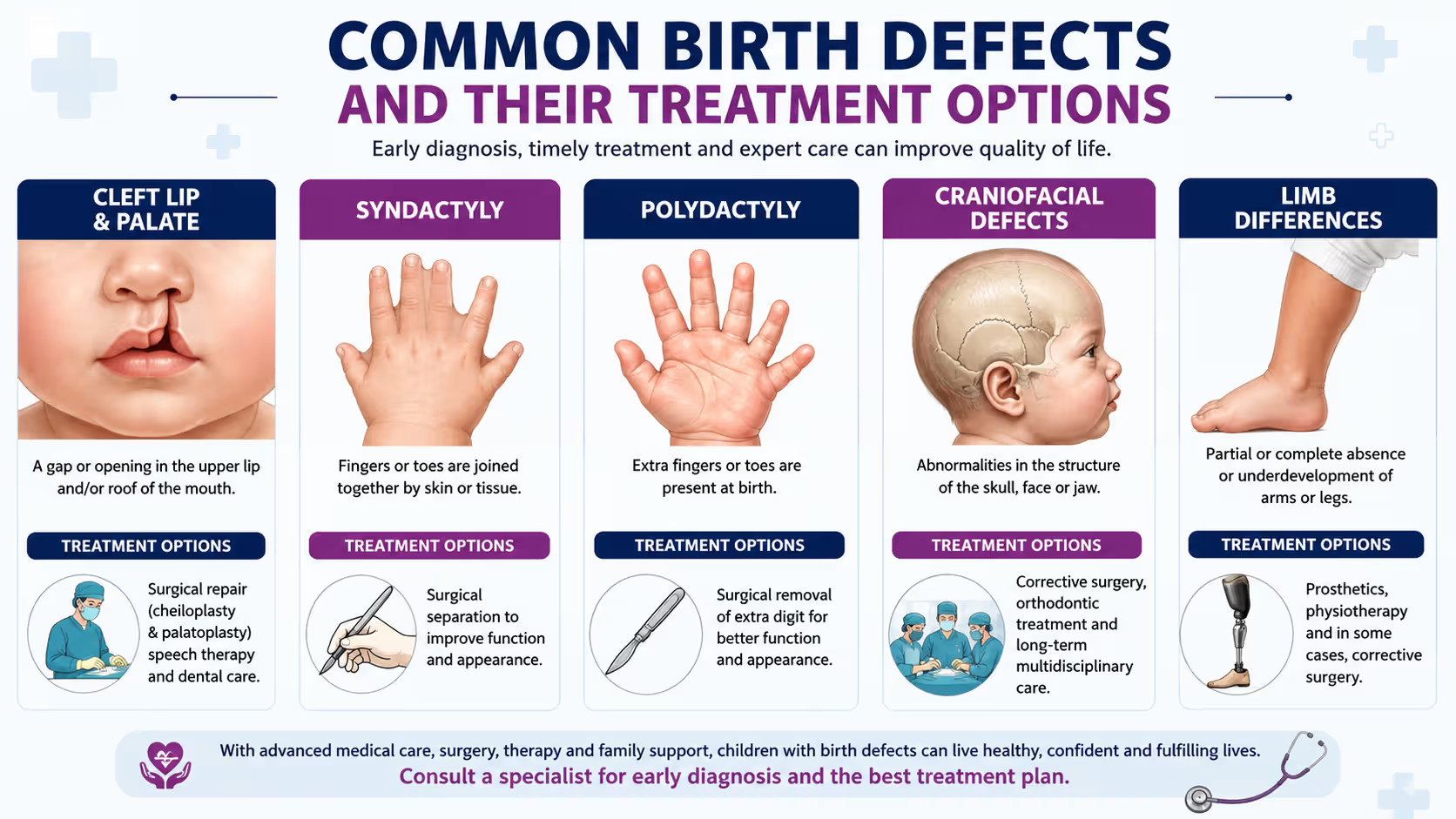
Treatment is individualized because every congenital condition is different. A typical treatment journey may include the following steps:
Step 1: Detailed Clinical Evaluation
The surgeon evaluates the child’s condition, medical history, growth and functional concerns.
Step 2: Diagnosis and Assessment
Depending on the condition, additional investigations or imaging may be recommended to understand the underlying anatomy.
Step 3: Treatment Planning
The specialist discusses whether the child would benefit from:
- Observation
- Physiotherapy or rehabilitation
- Orthotic support
- Reconstructive surgery
- Staged surgical procedures
- Combined multidisciplinary treatment
Step 4: Surgical Correction, When Required
If surgery is recommended, the procedure is planned according to the child’s age, anatomy and functional requirements.
Step 5: Recovery and Follow-Up
Postoperative care may include wound care, medications, physiotherapy and scheduled follow-up visits.
Step 6: Long-Term Monitoring
Some congenital conditions require monitoring throughout childhood because growth can influence the result and may create the need for additional treatment.
Advanced Reconstructive Care for Birth Defects
Modern reconstructive surgery aims to restore function as well as appearance. Depending on the condition, surgeons may use techniques involving:
- Local tissue reconstruction
- Skin grafting
- Tissue rearrangement
- Scar management
- Microsurgical reconstruction in selected cases
- Corrective hand surgery
- Craniofacial reconstruction
- Staged reconstructive procedures
The appropriate technique depends entirely on the child’s individual anatomy and diagnosis.
What Parents Should Know Before Surgery
If surgery is recommended, parents should discuss:
- The purpose of the procedure
- Expected functional benefits
- Appropriate timing
- Surgical stages, if applicable
- Anaesthesia requirements
- Recovery period
- Possible complications
- Scar expectations
- Follow-up requirements
- Whether additional procedures may be needed during growth
Having realistic expectations is an important part of successful treatment.
Benefits of Early Specialist Evaluation
Early consultation can help families understand the condition and develop an appropriate treatment timeline.
Potential advantages include:
- Identifying functional problems early
- Planning treatment around the child’s growth
- Understanding available reconstructive options
- Coordinating multidisciplinary care when necessary
- Addressing feeding, speech or movement-related concerns
- Managing scars and tissue development appropriately
- Supporting the child’s long-term physical and emotional well-being
Early evaluation does not necessarily mean early surgery. The ideal timing varies from one congenital condition to another.
Choosing a Birth Defects Surgeon in Lucknow
Parents should consider a surgeon’s:
- Relevant surgical qualifications and training
- Experience in reconstructive and congenital conditions
- Understanding of pediatric surgical considerations
- Hospital and anaesthesia support
- Ability to provide individualized treatment planning
- Approach to postoperative follow-up
- Experience with multidisciplinary care when required
For families searching for Birth Defects Treatment in Lucknow, a consultation with Dr. Nikhil Puri, a plastic, cosmetic and reconstructive surgeon, can help evaluate the condition and discuss suitable reconstructive options.
Dr. Nikhil Puri
MBBS | MS | M.Ch (Gold Medalist)
Director – Plastic, Cosmetic & Reconstructive Surgery
Medanta Hospital, Lucknow
Birth Defects Treatment: What Determines the Treatment Plan?
The treatment approach may depend on several factors:
Condition → Severity → Child’s Age → Functional Impact → Overall Health → Growth → Surgical Goals → Follow-Up
This is why treatment should be customized rather than based on a single standard procedure.
Frequently Asked Questions About Birth Defects Treatment
1. Can birth defects be treated completely?
Some birth defects can be corrected or significantly improved with surgery and supportive treatment. However, the expected outcome depends on the specific condition, severity and whether other body systems are involved.
2. What is the best age for birth defect surgery?
There is no single ideal age for every condition. Some procedures are performed during infancy, while others may be planned later depending on growth, function and the nature of the defect.
3. Does every birth defect require surgery?
No. Some conditions can be managed with observation, physiotherapy, orthotic support or other non-surgical approaches. Surgery is recommended only when it is appropriate for the child’s condition.
4. Can reconstructive surgery improve function as well as appearance?
Yes. Reconstructive surgery may aim to improve functions such as hand movement, feeding, speech-related anatomy or mobility, depending on the congenital condition.
5. How can I find a Birth Defects Surgeon in Lucknow?
Look for a qualified plastic and reconstructive surgeon with appropriate experience in congenital and reconstructive conditions. During consultation, discuss the diagnosis, treatment options, expected outcomes and follow-up plan.
Conclusion
Birth defects can affect a child’s appearance, movement and everyday functions, but many congenital conditions can be effectively managed with timely evaluation and individualized care. Advances in reconstructive and plastic surgery have expanded treatment options for conditions involving the face, hands, limbs, skin and soft tissues.
If you are looking for Birth Defects Treatment in Lucknow, an early consultation can help determine the diagnosis, understand available options and establish an appropriate treatment timeline. Dr. Nikhil Puri can assess congenital and reconstructive concerns and guide families toward a personalized treatment approach.
Do not delay specialist evaluation if a birth defect is affecting your child’s feeding, breathing, movement, development or quality of life.