
In the modern era, dark circles have become one of the most common aesthetic concerns reported by men and women alike. Whether you wake up after a long night of work or notice them gradually deepening over the years, those stubborn shadows under the eyes can make you look tired, aged, and less vibrant than you feel. With the rise of digital screen time, high-stress lifestyles, and environmental pollutants, the prevalence of under-eye discoloration is at an all-time high.
For many, dark circles are more than just a beauty “flaw”—they significantly impact self-confidence. People often find themselves reaching for heavy concealers or expensive “miracle” creams that rarely deliver on their promises. The frustration stems from a lack of understanding regarding the root cause. Are they caused by lack of sleep, or is it something deeper, like genetics or bone structure?
According to Dr Nikhil Puri, a renowned expert and the Best Plastic & Cosmetic Surgeon in Lucknow, treating dark circles effectively requires a diagnostic approach. You cannot treat “hollow eyes” with a brightening cream, just as you cannot treat “hyperpigmentation” with just a good night’s sleep. Understanding the specific cause of your dark circles is the essential first step toward finding a permanent solution.
How to Get Rid of Dark Circles Permanently
To permanently remove dark circles, you must address the specific underlying cause—be it hyperpigmentation, volume loss, or genetics. Professional treatments like dermal fillers, laser therapy, chemical peels, and PRP, combined with medical-grade skincare and lifestyle adjustments, offer the most effective and lasting results.
What Are Dark Circles?
Medical professionals often refer to dark circles as periorbital hyperpigmentation or periorbital melanosis. Essentially, it is the appearance of dark, bilateral, homogenous pigment macules (spots) in the infraorbital regions. In simpler terms, it is the darkening of the skin or the appearance of shadows in the area immediately below the eyes.
How Do Dark Circles Develop?
The skin around our eyes is the thinnest on our entire body. Because it lacks the thickness and oil glands found elsewhere, it is incredibly sensitive to changes. Dark circles develop when:
-
Pigment Increases: Melanin production increases due to sun exposure or genetics.
-
Skin Thins: As we age, we lose collagen, making the underlying blood vessels more visible (appearing bluish or purple).
-
Shadowing occurs: As fat pads in the face shift or dissolve, a “tear trough” or hollow forms, creating a shadow that looks like a dark circle.
Are Dark Circles a Medical Problem or a Cosmetic Concern?
In the vast majority of cases, dark circles are a cosmetic concern. They do not typically indicate a life-threatening illness. However, they can sometimes be a secondary symptom of an underlying medical issue, such as iron-deficiency anemia, thyroid disorders, or chronic allergies (allergic shiners). Dr Nikhil Puri emphasizes that while most patients seek treatment for aesthetic reasons, a thorough consultation is necessary to rule out these systemic causes.
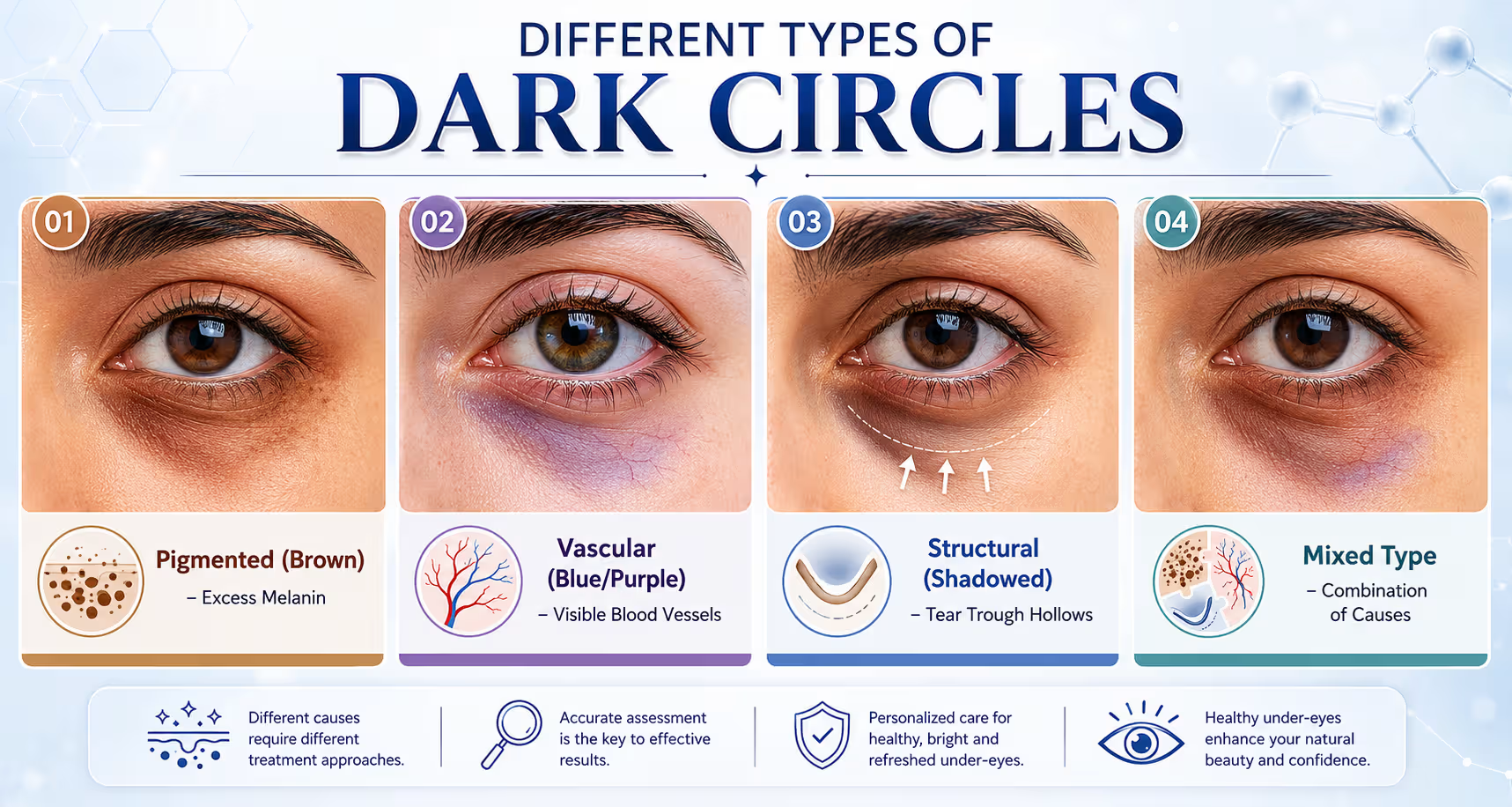
Different Types of Dark Circles
Not all dark circles are the same. Identifying your type is crucial:
-
Pigmented (Brown): Caused by excess melanin production in the skin under the eyes.
-
Vascular (Blue/Pink/Purple): Caused by thin skin, making the underlying blood vessels and muscles visible.
-
Structural (Shadowed): Caused by facial anatomy, such as deep-set eyes or hollows due to fat loss.
-
Mixed Type: A combination of two or more of the above factors.
What Causes Dark Circles Under the Eyes?
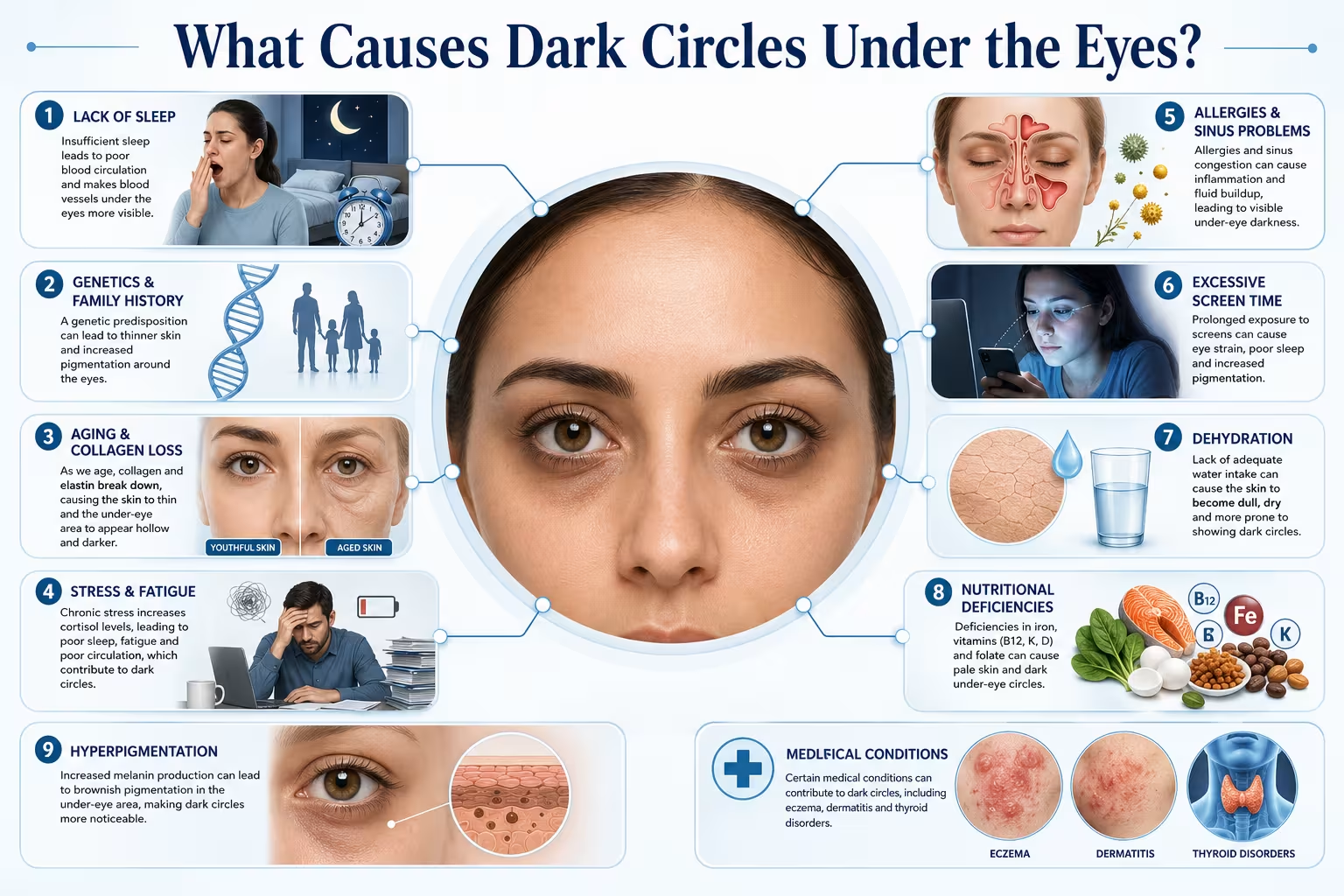
Understanding why you have dark circles is half the battle. Here are the most common culprits:
1. Lack of Sleep
This is the most famous cause. When you are sleep-deprived, your skin becomes pale and dull. This allows the dark tissues and blood vessels beneath your skin to show through more prominently.
2. Genetics and Family History
If your parents have dark circles, you are likely to have them too. Genetic factors determine your bone structure, skin thickness, and how much melanin your skin produces.
3. Aging and Loss of Skin Elasticity
As we get older, our skin loses collagen and elastin. The fat that once supported the area around the eyes begins to drop or disappear. This creates a hollow look known as a tear trough deformity. As the Best Plastic & Cosmetic Surgeon in Lucknow, Dr Nikhil Puri frequently treats patients whose primary cause of dark circles is this structural change related to aging.
4. Stress and Fatigue
Emotional and physical stress causes the body to direct blood flow toward essential organs, leaving the face looking drained and the under-eye area looking darker.
5. Allergies and Sinus Problems
Allergic reactions trigger the release of histamines, which cause blood vessels to swell and dilate. Furthermore, “allergic shiners” occur when congestion in the nose and sinuses causes the veins around the eyes to become congested and dark.
6. Excessive Screen Time
Staring at a computer, phone, or television screen for hours causes significant strain on the eyes. This strain can enlarge the blood vessels around your eyes, darkening the surrounding skin.
7. Dehydration
When the body is not receiving the proper amount of water, the skin beneath the eyes begins to look dull and sunken.
8. Nutritional Deficiencies
A lack of essential vitamins and minerals, particularly Iron and Vitamin B12, can lead to poor oxygenation of body tissues, manifesting as dark circles.
9. Hyperpigmentation
Common in darker skin tones, hyperpigmentation is caused by an overproduction of melanin in the under-eye area, often triggered by sun damage or hormonal shifts.
10. Medical Conditions
Conditions like eczema, contact dermatitis, and thyroid dysfunction can all contribute to the darkening of the infraorbital region.
Why Are My Dark Circles Getting Worse?
If you’ve noticed your dark circles becoming more prominent recently, several factors might be at play.
Lifestyle Habits That Make Dark Circles More Visible
-
Smoking: Nicotine disrupts sleep patterns and damages collagen, leading to premature aging.
-
Alcohol Consumption: Alcohol dehydrates the skin and causes blood vessels to dilate (expand), making them more visible.
-
Excessive Salt Intake: High salt levels cause the body to retain water, leading to puffiness (bags) under the eyes, which casts a shadow.
Common Mistakes People Make
The biggest mistake is using the wrong product for the wrong problem. Using a “brightening” cream for hollow eyes will never work because the “darkness” is actually a shadow caused by bone structure, not pigment.
When Dark Circles May Signal an Underlying Health Issue
If the darkening is accompanied by extreme fatigue, shortness of breath, or swelling in other parts of the body, it is time to see a doctor to check for anemia or kidney issues.
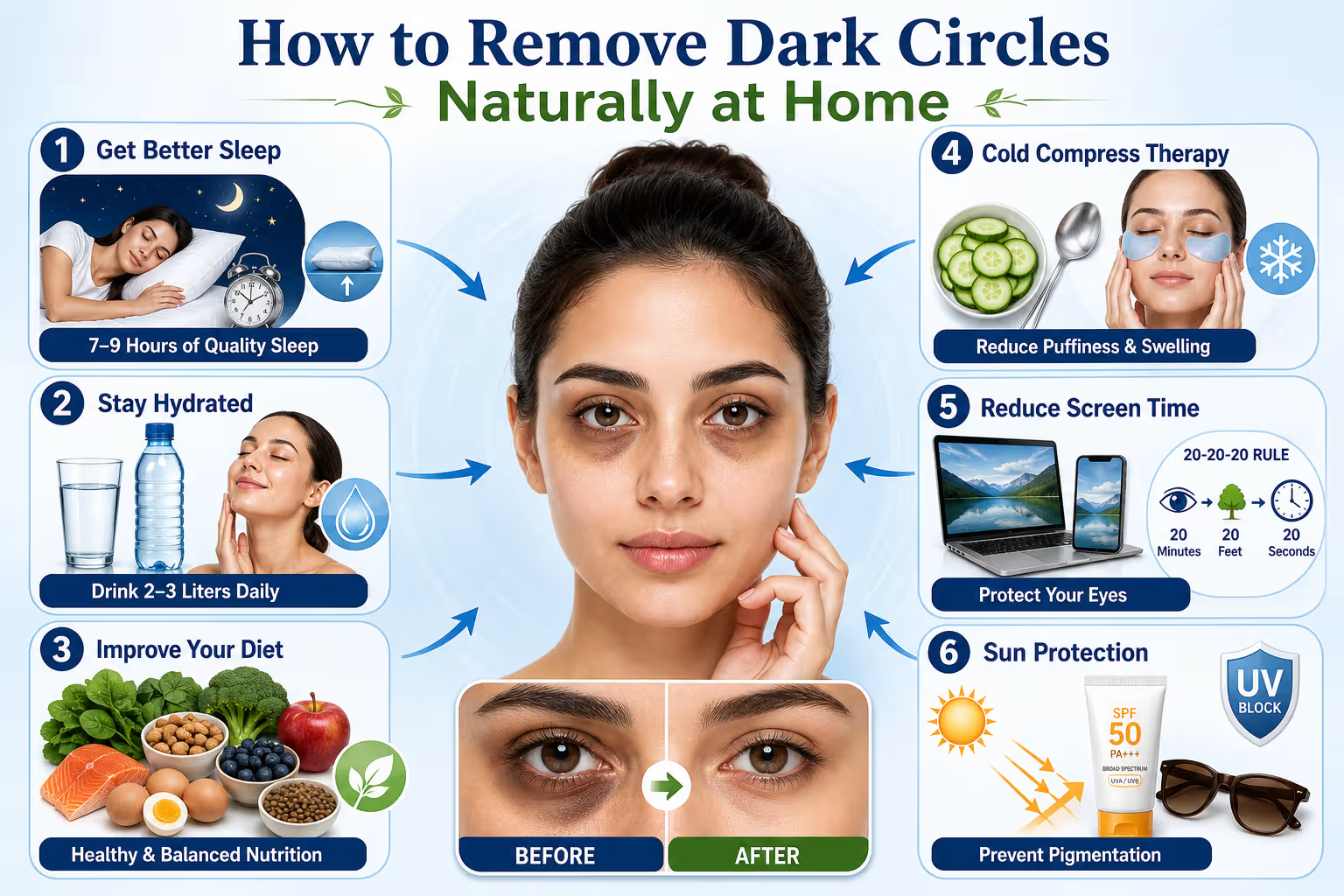
How to Remove Dark Circles Naturally at Home?
While natural remedies may not “permanently” remove structural dark circles, they can significantly improve their appearance if the cause is lifestyle-based.
-
Get Better Sleep: Aim for 7–9 hours of quality sleep. Elevate your head with an extra pillow to prevent fluid from pooling under your eyes overnight.
-
Stay Hydrated: Drinking at least 2-3 liters of water daily keeps the skin plump.
-
Improve Your Diet: Reduce salt and processed sugar.
-
Cold Compress Therapy: Applying a cold spoon, chilled cucumber slices, or a cold washcloth for 10 minutes can constrict blood vessels and reduce puffiness.
-
Reduce Screen Time: Follow the 20-20-20 rule: every 20 minutes, look at something 20 feet away for 20 seconds.
-
Sun Protection: Wear broad-spectrum sunscreen and sunglasses to prevent UV-induced pigmentation.
Home Remedies: Do They Really Work?
Home remedies like tea bags (caffeine) and potatoes (catecholase) can provide temporary tightening and brightening. However, they are not permanent solutions for chronic dark circles.
Which Foods Help Reduce Dark Circles?
Beauty starts from within. To combat dark circles, incorporate these into your diet:
-
Iron-Rich Foods: Spinach, lentils, beans, and red meat (to prevent anemia).
-
Vitamin C-Rich Foods: Oranges, lemons, and bell peppers (to boost collagen).
-
Protein Sources: Eggs, chicken, and soy (to maintain skin structure).
-
Hydrating Foods: Watermelon, cucumber, and celery.
-
Antioxidant-Rich Foods: Blueberries, tomatoes (lycopene), and green tea.
How to Get Rid of Dark Circles Permanently?
For those looking for long-term or permanent results, professional intervention is usually required. This process involves four key steps:
-
Identifying the Underlying Cause: Is it pigment, thin skin, or a hollow?
-
Medical Evaluation: A consultation with an expert like Dr Nikhil Puri to ensure no underlying health issues exist.
-
Lifestyle Corrections: Aligning your habits to support the medical treatment.
-
Professional Treatment Options: Selecting the right procedure for your specific type of dark circle.
Dark Circle Treatment Options: What Actually Works?
When home remedies fail, modern science offers several highly effective solutions.
Topical Creams and Serums
Medical-grade skincare is different from “over-the-counter” products.
-
Retinol Creams: Stimulate collagen production and thicken the skin.
-
Vitamin C Serums: Lighten pigmentation and provide antioxidant protection.
-
Caffeine-Based Products: Constrict blood vessels to reduce redness and puffiness.
-
Hyaluronic Acid Products: Deeply hydrate the skin to reduce the “sunken” look.
Chemical Peels
Dermatological peels containing Glycolic acid, Lactic acid, or TCA can help exfoliate the surface layer of skin and reduce melanin-based dark circles.
Laser Treatment for Dark Circles
Laser therapy (such as Q-switched or CO2 lasers) targets pigment and stimulates deep-layer collagen. This is highly effective for vascular and pigmented dark circles.
PRP (Platelet-Rich Plasma) Therapy
Often called the “Vampire Facial,” PRP involves using your own blood plasma, rich in growth factors, and injecting it under the eyes. This naturally rejuvenates the skin and improves texture and color.
Dermal Fillers for Under-Eye Hollows
This is a game-changer for “structural” dark circles. Injecting Hyaluronic Acid fillers (like Juvederm or Restylane) into the tear trough fills the hollow, removing the shadow and making the area look bright and refreshed.
Microneedling
Creating tiny micro-injuries in the skin triggers a healing response, increasing collagen and thickening the delicate under-eye skin.
Combination Treatments
Often, the best results come from combining treatments—for example, using fillers for volume and lasers for surface pigmentation.
Which Is the Best Treatment for Dark Circles?
| Cause of Dark Circle | Recommended Treatment | Expected Result |
| Pigmentation (Brown) | Chemical Peels, Laser, Vitamin C | Brightened skin tone |
| Volume Loss (Hollows) | Dermal Fillers, Fat Grafting | Sunken look disappears |
| Thin Skin (Vascular) | PRP Therapy, Retinol, Microneedling | Thicker skin, less blue/purple |
| Lifestyle Factors | Sleep, Hydration, Diet | Reduced fatigue and puffiness |
Can Dark Circles Be Removed Permanently?
While “permanent” is a strong word, many treatments offer long-lasting results.
-
Fillers: Last 9 to 18 months.
-
Lasers: Can be permanent if sun protection is maintained.
-
Fat Grafting: Can be permanent as the fat becomes a living part of the tissue.
-
Lifestyle: Must be maintained permanently to prevent recurrence.
What Results Can Patients Realistically Expect?
Patients can expect a significant reduction in the “tired” look. Most professional treatments offer a 70% to 90% improvement in appearance.
Factors That Affect Long-Term Results
Genetics and the natural aging process will continue. However, regular maintenance and skincare can keep the results looking fresh for years.
Dark Circle Treatment Before and After: What Should You Expect?
If you visit Dr Nikhil Puri, the Best Plastic & Cosmetic Surgeon in Lucknow, here is how the journey usually looks:
-
Consultation: A detailed discussion about your medical history and goals.
-
Assessment: The doctor will pinch the skin (to check for pigment) or use lighting (to check for shadows).
-
Treatment Planning: A customized plan is created (e.g., PRP + Fillers).
-
Recovery Timeline: Most non-surgical treatments have zero to three days of downtime (slight swelling or bruising).
-
Expected Results: Full results from fillers are immediate, while PRP and lasers may take a few weeks to show full effect.
How Can I Remove Dark Circles in 7 Days?
In 7 days, you can achieve a temporary improvement. Using cold compresses, hydrating aggressively, and using caffeine-based serums can reduce puffiness and brighten the area for an event. However, permanent removal of deep-seated circles takes more time.
Why Do I Have Dark Circles Even After Sleeping Well?
If you sleep well and still have circles, the cause is likely structural (deep tear troughs), genetic, or due to hyperpigmentation. In these cases, sleep alone isn’t the cure; professional treatment is needed.
Which Vitamin Deficiency Causes Dark Circles?
The most common deficiency linked to dark circles is Iron (Anemia). Other notable deficiencies include Vitamin B12, Vitamin K, and Vitamin E. If you suspect this, a simple blood test can confirm it.
Are Dark Circles Permanent?
Not necessarily. While they may seem permanent because they don’t respond to creams, medical procedures can effectively eliminate or drastically reduce them.
Can Laser Remove Dark Circles Permanently?
Laser treatment can permanently remove specific pigment cells. However, if the cause is aging or lifestyle, new circles could form over time if the skin isn’t cared for.
Which Doctor Should I Consult for Dark Circles?
While a dermatologist is great for skin surface issues, a Cosmetic Surgeon is often the best choice if the cause is volume loss or structural hollowing. Consulting with Dr Nikhil Puri, the Best Plastic & Cosmetic Surgeon in Lucknow, ensures you gain a surgical-grade understanding of facial anatomy, leading to safer, more precise filler or laser applications.
Dark Circle Prevention Tips
-
Sleep Hygiene: Maintain a consistent sleep schedule.
-
Healthy Diet: Focus on antioxidants and low sodium.
-
Hydration: Drink water and use a hydrating eye cream.
-
Stress Management: Practice yoga or meditation to lower cortisol levels.
-
Eye Protection: Wear UV-protected sunglasses even on cloudy days.
-
Skincare Routine: Use a gentle cleanser and never rub your eyes, as this can break tiny capillaries.
Common Myths About Dark Circles
-
Myth: Only Lack of Sleep Causes Dark Circles.
-
Fact: Genetics and aging are actually more common causes.
-
-
Myth: Home Remedies Can Cure Every Case.
-
Fact: Cucumbers cannot fix bone-deep hollows or genetic pigmentation.
-
-
Myth: Expensive Creams Always Work.
-
Fact: Many expensive creams contain the same ingredients as affordable ones; the “delivery system” and concentration matter more.
-
-
Myth: Dark Circles Cannot Be Treated.
-
Fact: With modern cosmetic science, almost every type of dark circle can be significantly improved.
-
Final Thoughts
Dark circles are a multifaceted issue. They can stem from lifestyle choices, nutritional gaps, the natural aging process, or simply the DNA we were born with. While the market is flooded with “quick fixes,” the reality is that the most effective and permanent results come from a tailored medical approach.
Whether your dark circles respond to better sleep and a vitamin-rich diet or require advanced procedures like dermal fillers and laser therapy, early assessment is key. By addressing the problem today, you can prevent the delicate under-eye skin from further deterioration.
If you are tired of looking tired and want a professional opinion, don’t settle for over-the-counter guesswork. Dr Nikhil Puri provides expert care with a focus on natural-looking, rejuvenating results. As the Cosmetic Surgeon in Lucknow, he can help you identify the precise cause of your dark circles and guide you toward a treatment plan that restores your confidence and youthful glow.
FAQs
-
How can I remove dark circles permanently?
Professional treatments like fillers for hollows or lasers for pigment offer the most permanent results when combined with a healthy lifestyle. -
What is the fastest treatment for dark circles?
Dermal fillers offer almost instant results for those with sunken eyes or tear troughs. -
Can lack of sleep cause permanent dark circles?
Chronic lack of sleep can lead to premature aging and permanent skin thinning, making circles harder to treat over time. -
Is laser treatment safe for dark circles?
Yes, when performed by an experienced professional like Dr Nikhil Puri, laser treatment is a safe and effective way to target under-eye pigmentation. -
Are dark circles hereditary?
Yes, genetics play a major role in skin transparency and bone structure around the eyes. -
Which doctor is best for dark circle treatment?
A cosmetic surgeon is ideal for addressing structural issues and advanced skin rejuvenation.
Dark circles can develop for many different reasons, including genetics, aging, pigmentation, lifestyle habits, and volume loss under the eyes. Identifying the exact cause is the first step toward effective treatment.
If you’re considering professional treatment options, consult Dr Nikhil Puri for a personalized evaluation. An experienced Best Plastic & Cosmetic Surgeon in Lucknow can help determine the most suitable treatment plan based on your specific concerns and goals. Take the first step toward a brighter, refreshed look today!