Rhinoplasty surgery, commonly known as nose reshaping surgery, is a procedure that improves the appearance, function, or both of the nose. Whether you want to enhance facial harmony, correct a nasal deformity, or improve breathing caused by structural issues, Rhinoplasty Surgery in Lucknow offers advanced solutions tailored to individual needs. Most patients return to their routine within 1–2 weeks, while the final results gradually become visible over the following months. When performed by an experienced surgeon such as Dr. Nikhil Puri, Best Plastic Surgeon in Lucknow, rhinoplasty is designed to achieve natural-looking results while preserving proper nasal function.
Introduction
Your nose is one of the most defining features of your face. Even subtle changes in its shape or structure can significantly improve facial balance, boost confidence, and, in many cases, enhance breathing. If you’ve ever felt self-conscious about a crooked nose, a prominent hump, a drooping tip, or difficulty breathing through your nose, rhinoplasty surgery may be an option worth considering.
Modern rhinoplasty is no longer about creating a “perfect nose.” Instead, the focus is on achieving a nose that complements your unique facial features while maintaining or improving its function. Every procedure is carefully planned based on your facial anatomy, aesthetic goals, and overall health, ensuring results that look natural rather than artificial.
Choosing the right surgeon is one of the most important decisions in your rhinoplasty journey. Dr. Nikhil Puri, recognized as a Plastic & Cosmetic Surgeon in Lucknow, specializes in advanced cosmetic and reconstructive procedures with a patient-centered approach. His goal is to deliver balanced, natural-looking outcomes while prioritizing safety and long-term functionality.
In this comprehensive guide, you’ll learn everything you need to know about Rhinoplasty Surgery, including:
- What rhinoplasty is and why it’s performed
- Different types of rhinoplasty procedures
- Who is a suitable candidate
- Step-by-step surgical procedure
- Benefits and expected results
- Recovery timeline and aftercare
- Factors affecting rhinoplasty cost
- How to choose the best plastic surgeon
- Frequently asked questions and expert advice
Whether you’re considering rhinoplasty for cosmetic enhancement, functional improvement, or reconstructive reasons, this guide will help you make an informed and confident decision.
What Is Rhinoplasty Surgery?
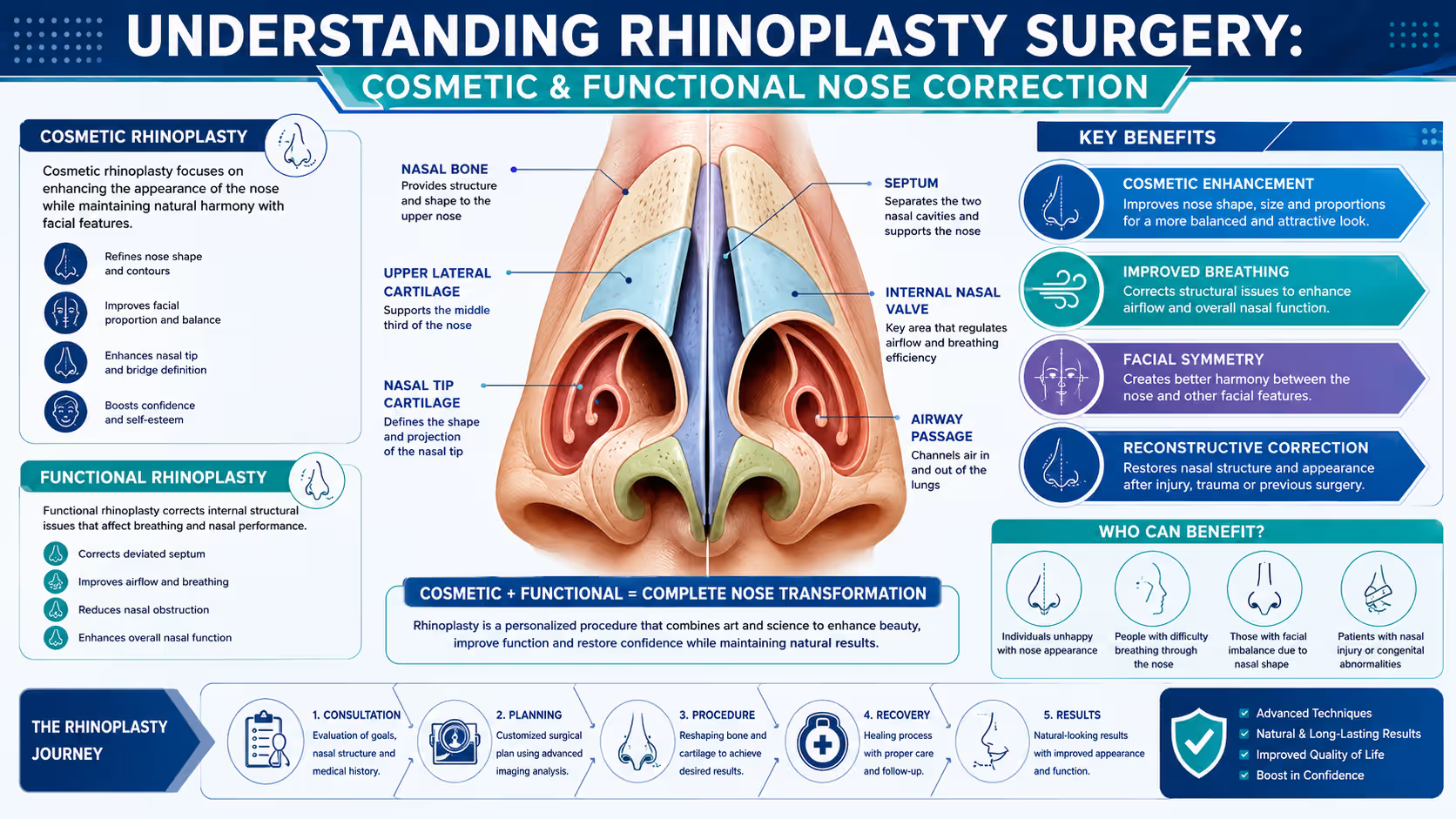
Rhinoplasty, often referred to as nose reshaping surgery, is a surgical procedure that modifies the shape, size, or internal structure of the nose to improve its appearance, restore function, or address both cosmetic and medical concerns.
As one of the most commonly performed facial plastic surgery procedures, rhinoplasty is highly personalized. Rather than following a standard approach, the surgery is tailored to your facial proportions, skin thickness, nasal anatomy, and treatment goals.
Some patients seek rhinoplasty to enhance facial symmetry by refining the nasal bridge, reducing a dorsal hump, narrowing wide nostrils, or reshaping a bulbous or drooping nasal tip. Others undergo the procedure to improve breathing by correcting structural issues such as a deviated septum or nasal valve collapse. In many cases, cosmetic and functional improvements are achieved during the same surgery.
Unlike non-surgical treatments that provide temporary cosmetic changes, rhinoplasty involves reshaping the underlying bone and cartilage, making the results long-lasting. Modern techniques focus on preserving the natural character of your face while creating balanced, harmonious proportions.
Rhinoplasty May Be Recommended For:
- Reducing or increasing the size of the nose
- Straightening a crooked nose
- Smoothing a dorsal hump
- Refining a bulbous or drooping nasal tip
- Narrowing a wide nasal bridge or nostrils
- Correcting congenital nasal deformities
- Restoring the nose after trauma or injury
- Improving breathing affected by structural abnormalities
- Revising the results of a previous rhinoplasty
The primary objective of rhinoplasty is not to create a completely different nose but to achieve a result that looks natural, functions well, and complements the rest of your facial features.
Types of Rhinoplasty Surgery
Rhinoplasty is not a one-size-fits-all procedure. The surgical technique depends on your concerns, nasal anatomy, and desired outcome. An experienced surgeon will recommend the most appropriate approach after a detailed evaluation.
Cosmetic Rhinoplasty
Cosmetic rhinoplasty focuses on enhancing the appearance of the nose while maintaining facial harmony. It is suitable for individuals who wish to address concerns such as a nasal hump, asymmetry, a broad bridge, or a drooping tip. The goal is to create subtle, natural-looking improvements that complement the rest of the face.
Functional Rhinoplasty
Functional rhinoplasty is performed to improve nasal airflow and breathing. It addresses structural issues such as a deviated septum, nasal valve collapse, or other anatomical abnormalities that interfere with normal breathing. In many cases, functional and cosmetic corrections can be combined into a single procedure.
Open Rhinoplasty
In an open rhinoplasty, a small incision is made across the columella—the strip of tissue between the nostrils. This approach provides the surgeon with excellent visibility of the nasal structures, making it ideal for complex reshaping or revision procedures. The incision typically heals well and becomes barely noticeable over time.
Closed Rhinoplasty
Closed rhinoplasty involves incisions placed entirely inside the nostrils, leaving no visible external scars. This technique is often suitable for patients requiring less extensive modifications and generally results in reduced swelling and a shorter recovery period.
Revision Rhinoplasty
Revision rhinoplasty is performed to improve the appearance or function of the nose after a previous rhinoplasty. Because of scar tissue and altered anatomy, revision surgery is often more complex and requires advanced surgical expertise.
Ethnic Rhinoplasty
Ethnic rhinoplasty aims to enhance the nose while preserving the patient’s unique ethnic characteristics. Rather than creating a standardized appearance, the procedure respects individual facial identity and focuses on balanced, culturally appropriate results.
Comparison of Rhinoplasty Types
| Type | Primary Purpose | Best Suited For |
|---|---|---|
| Cosmetic Rhinoplasty | Improve appearance | Patients seeking aesthetic enhancement |
| Functional Rhinoplasty | Improve breathing | Patients with structural nasal problems |
| Open Rhinoplasty | Complex reshaping | Significant corrections and revisions |
| Closed Rhinoplasty | Minor to moderate reshaping | Patients requiring limited modifications |
| Revision Rhinoplasty | Correct previous surgery | Patients dissatisfied with earlier results |
| Ethnic Rhinoplasty | Preserve ethnic identity | Patients seeking culturally harmonious outcomes |
Why Do People Choose Rhinoplasty?
Every person’s reason for considering rhinoplasty is unique. While some individuals want to improve the appearance of their nose, others seek relief from breathing difficulties or wish to restore the nose after an injury. Modern Rhinoplasty Surgery in Lucknow can address both cosmetic and functional concerns, often during the same procedure.
Understanding your goals is the first step in determining whether rhinoplasty is the right choice. During your consultation, Dr. Nikhil Puri, Best Plastic Surgeon in Lucknow, carefully evaluates your facial features, nasal structure, and expectations to recommend a personalized treatment plan.
Common Reasons Patients Choose Rhinoplasty
To Improve Facial Harmony
The nose is the central feature of the face. Even minor refinements can create better balance and enhance overall facial proportions. Patients often seek rhinoplasty to achieve a more symmetrical and natural-looking appearance.
To Correct a Crooked Nose
A crooked nose may result from genetics, previous injuries, or uneven growth. Rhinoplasty can straighten the nasal framework, improving both appearance and, in some cases, breathing.
To Remove a Nasal Hump
A prominent hump on the bridge of the nose is one of the most common cosmetic concerns. Reshaping the nasal bridge can create a smoother facial profile while maintaining a natural look.
To Refine a Bulbous or Drooping Tip
A wide, rounded, or downward-pointing nasal tip can make the nose appear larger than it is. Rhinoplasty allows precise refinement of the nasal tip without compromising facial harmony.
To Improve Breathing
Structural issues such as a deviated septum, nasal valve collapse, or congenital abnormalities can obstruct airflow. Functional rhinoplasty aims to improve breathing while preserving the appearance of the nose.
To Restore the Nose After Trauma
Sports injuries, road accidents, or facial trauma can alter the shape and function of the nose. Reconstructive rhinoplasty helps restore both appearance and normal nasal function.
To Correct Congenital Deformities
Some people are born with nasal irregularities that affect facial symmetry or breathing. Rhinoplasty can address these concerns with a personalized surgical approach.
To Revise a Previous Rhinoplasty
Patients who are dissatisfied with the appearance or function of their nose after an earlier procedure may benefit from revision rhinoplasty, which is a specialized procedure requiring advanced surgical expertise.
Are You a Good Candidate for Rhinoplasty Surgery?
Rhinoplasty is a highly individualized procedure, and not everyone is an ideal candidate. The best outcomes are achieved when patients have realistic expectations, are in good overall health, and have specific concerns that surgery can effectively address.
During your consultation, Dr. Nikhil Puri conducts a comprehensive assessment to determine whether Rhinoplasty Surgery in Lucknow is appropriate for your needs.
Candidate Checklist
You may be a suitable candidate if you answer “Yes” to most of the following questions:
✔ Are you unhappy with the size or shape of your nose?
✔ Does your nose appear crooked or asymmetrical?
✔ Do you have a noticeable hump on the nasal bridge?
✔ Is your nasal tip too broad, drooping, or bulbous?
✔ Do you experience difficulty breathing through your nose?
✔ Has your nose changed due to an injury or accident?
✔ Has your facial growth been completed?
✔ Are you physically healthy?
✔ Are you a non-smoker, or willing to stop smoking before and after surgery?
✔ Do you have realistic expectations about the outcome?
If most of these points apply to you, scheduling a consultation with an experienced plastic surgeon is the next step toward understanding your treatment options.
Who Should Avoid Rhinoplasty?
Although rhinoplasty is safe for many patients, there are situations where surgery may need to be postponed or may not be recommended until certain health conditions are addressed.
Rhinoplasty May Not Be Suitable If You:
- Have an active nasal or sinus infection.
- Have uncontrolled medical conditions such as diabetes or high blood pressure.
- Smoke and are unwilling to stop before surgery, as smoking can delay healing.
- Have bleeding disorders that increase surgical risk.
- Are pregnant or breastfeeding.
- Have unrealistic expectations about what surgery can achieve.
- Are still experiencing facial growth (particularly younger patients).
A thorough medical evaluation helps ensure that the procedure can be performed as safely as possible.
What Problems Can Rhinoplasty Correct?
One of the biggest misconceptions about rhinoplasty is that it is only performed to make the nose smaller. In reality, the procedure can address a wide range of cosmetic and functional concerns while preserving a natural appearance.
Conditions That Rhinoplasty Can Correct
| Can Correct | Cannot Correct |
|---|---|
| Crooked nose | Skin conditions such as acne |
| Nasal hump | Seasonal allergies |
| Wide nasal bridge | Chronic sinus infections |
| Bulbous nasal tip | Facial wrinkles |
| Drooping nasal tip | Non-structural breathing problems |
| Deviated septum | Every facial asymmetry |
| Wide nostrils | Aging changes outside the nose |
| Nasal deformity after trauma | Conditions unrelated to nasal anatomy |
This comparison helps patients develop realistic expectations about what rhinoplasty can and cannot achieve.
Benefits of Rhinoplasty Surgery
The benefits of rhinoplasty extend well beyond cosmetic enhancement. By improving both the appearance and function of the nose, the procedure can have a positive impact on daily life, confidence, and overall well-being.
Cosmetic Benefits
Many patients choose rhinoplasty to create a more balanced facial appearance.
Common cosmetic benefits include:
- Improved facial symmetry
- Better facial proportions
- A smoother nasal bridge
- A refined nasal tip
- Reduced prominence of a nasal hump
- Better profile appearance
- More harmonious facial balance
- Natural-looking aesthetic enhancement
Functional Benefits
Functional improvements can significantly improve quality of life, especially for patients experiencing breathing difficulties.
Potential functional benefits include:
- Improved nasal airflow
- Easier breathing during daily activities
- Better airflow during sleep
- Correction of structural abnormalities
- Reduced nasal obstruction
- Improved comfort during exercise
Psychological Benefits
Appearance often influences self-confidence, and many patients report feeling more comfortable in social and professional settings after rhinoplasty.
Patients frequently describe improvements such as:
- Greater self-confidence
- Increased comfort in photographs
- Reduced self-consciousness
- Improved body image
- Enhanced social confidence
While rhinoplasty can improve appearance and function, it is important to maintain realistic expectations and understand that surgery is intended to enhance your natural features—not change your identity.
Long-Term Benefits
Because rhinoplasty reshapes the underlying bone and cartilage, the results are generally long-lasting.
Long-term advantages may include:
- Permanent structural improvements
- Stable cosmetic results
- Better facial harmony over time
- Improved nasal function
- Increased confidence for years to come
When performed by an experienced surgeon using modern techniques, rhinoplasty aims to provide results that continue to look natural as your face ages.
Why Choose Dr. Nikhil Puri?
Choosing an experienced surgeon is one of the most important factors in achieving safe, natural-looking results. Dr. Nikhil Puri, Best Plastic Surgeon in Lucknow, takes a personalized approach to Rhinoplasty Surgery in Lucknow, carefully evaluating each patient’s facial anatomy, functional concerns, and aesthetic goals. Every treatment plan is tailored to achieve balanced results while preserving normal nasal function and enhancing overall facial harmony.
What Happens During Your Consultation?
The consultation is one of the most important steps in your rhinoplasty journey. It is an opportunity to discuss your concerns, understand what surgery can realistically achieve, and develop a personalized treatment plan. Rather than following a standard approach, every rhinoplasty procedure is customized according to your facial anatomy, nasal structure, and treatment goals.
At the consultation, Dr. Nikhil Puri, Best Plastic Surgeon in Lucknow, performs a comprehensive evaluation to determine the most appropriate surgical approach while prioritizing both aesthetics and nasal function.
During Your Consultation, You Can Expect:
1. Understanding Your Goals
The discussion begins with understanding why you are considering rhinoplasty. Some patients wish to enhance the appearance of their nose, while others seek relief from breathing difficulties or correction after an injury.
Your surgeon will discuss:
- Your primary concerns
- Desired improvements
- Functional symptoms such as breathing problems
- Previous nasal injuries or surgeries
- Your expectations from surgery
2. Medical History Evaluation
A detailed medical history helps determine whether surgery is safe and appropriate.
This may include reviewing:
- Existing medical conditions
- Previous surgeries
- Current medications
- Allergies
- Smoking or tobacco use
- History of nasal trauma
- Any breathing-related issues
Being open about your medical history allows your surgeon to plan the safest treatment approach.
3. Physical Examination
A detailed examination of the nose and face is performed to assess:
- Skin thickness
- Nasal bridge
- Nasal tip
- Nostril shape
- Septum
- Facial symmetry
- Chin and facial proportions
- Overall facial balance
This evaluation helps ensure that any changes made to the nose complement your facial features naturally.
4. Clinical Photography
Standardized photographs are often taken from multiple angles to document your current nasal appearance and assist in surgical planning.
These images also help compare your results during follow-up visits.
5. Treatment Planning
Based on your examination, a personalized surgical plan is created.
Your surgeon will explain:
- Whether cosmetic, functional, or combined rhinoplasty is recommended
- The surgical technique most suitable for your case
- Expected improvements
- Recovery timeline
- Potential limitations
- Risks and possible complications
The aim is to ensure you fully understand the procedure before making a decision.
6. Questions and Expectations
You are encouraged to ask questions during the consultation.
Common topics include:
- Recovery time
- Pain management
- Return to work
- Exercise restrictions
- Long-term results
- Cost factors
- Chances of revision surgery
A well-informed patient is better prepared for surgery and recovery.
Step-by-Step Rhinoplasty Procedure
Every rhinoplasty procedure is tailored to the patient’s needs, but the overall process follows a structured sequence to ensure safety, precision, and optimal outcomes.
Step 1: Preoperative Preparation
Before surgery, your surgeon may recommend:
- Routine blood investigations
- Medical fitness evaluation
- Avoiding smoking
- Stopping certain medications as advised
- Fasting before anesthesia
Following these instructions helps reduce surgical risks and supports smoother recovery.
Step 2: Administration of Anesthesia
Rhinoplasty is typically performed under general anesthesia, allowing you to remain comfortable and pain-free throughout the procedure.
The anesthesia team continuously monitors your vital signs to ensure your safety during surgery.
Step 3: Creating the Incisions
The incision technique depends on the complexity of the procedure.
- Closed Rhinoplasty: Incisions are made inside the nostrils, leaving no visible external scars.
- Open Rhinoplasty: A small incision is made across the columella to provide better access to the nasal structures for more complex corrections.
Step 4: Reshaping the Nose
This is the most precise stage of the surgery.
Depending on your treatment goals, your surgeon may:
- Reduce a dorsal hump
- Straighten a crooked nose
- Narrow the nasal bridge
- Refine the nasal tip
- Reshape cartilage
- Correct asymmetry
- Improve nostril shape
- Strengthen weakened nasal structures
- Correct a deviated septum to improve breathing
Every modification is carefully planned to maintain natural facial harmony.
Step 5: Closing the Incisions
Once the desired corrections are completed, the incisions are meticulously closed using fine sutures.
Special care is taken to minimize visible scarring and promote optimal healing.
Step 6: Nasal Splint Placement
A protective splint is placed over the nose to:
- Support the new nasal structure
- Minimize swelling
- Protect the nose during early healing
In some cases, internal nasal supports may also be used temporarily.
Step 7: Recovery Room
After surgery, you will be monitored until the effects of anesthesia wear off.
Most patients can return home the same day, provided they have a responsible adult to accompany them and receive appropriate post-operative instructions.
Procedure at a Glance
| Step | What Happens |
|---|---|
| Consultation | Facial assessment and treatment planning |
| Anesthesia | General anesthesia for comfort |
| Incisions | Open or closed approach |
| Reshaping | Bone and cartilage modification |
| Functional Correction | Septum or airway improvement if needed |
| Closure | Fine sutures placed |
| Splint | External support applied |
| Recovery | Observation before discharge |
Open vs. Closed Rhinoplasty
One of the most common questions patients ask is which surgical technique is better. The answer depends entirely on your nasal anatomy and treatment goals.
| Feature | Open Rhinoplasty | Closed Rhinoplasty |
|---|---|---|
| Incision | Small external incision on the columella | Incisions hidden inside the nostrils |
| Visibility | Excellent surgical access | Limited surgical exposure |
| Best For | Complex reshaping, revision cases | Minor to moderate corrections |
| Scarring | Minimal, usually fades well | No visible external scar |
| Surgical Precision | High | High for selected cases |
| Recovery | Slightly longer swelling | Often slightly quicker recovery |
Neither technique is universally better. Your surgeon will recommend the most appropriate approach based on your individual case.
Risks and Possible Complications
Like any surgical procedure, rhinoplasty carries potential risks. Although serious complications are uncommon when performed by an experienced plastic surgeon in an accredited medical facility, understanding these possibilities helps you make an informed decision.
Possible Risks Include
- Temporary swelling
- Bruising around the eyes
- Mild bleeding
- Infection
- Delayed wound healing
- Temporary numbness
- Minor asymmetry
- Persistent nasal obstruction
- Need for revision surgery in selected cases
- Unsatisfactory cosmetic outcome
Most side effects improve as healing progresses, and careful surgical planning helps minimize these risks.
How to Reduce the Risk of Complications
You can contribute to a smoother recovery by following your surgeon’s advice before and after surgery.
Tips to Minimize Risks
- Choose an experienced plastic surgeon.
- Share your complete medical history.
- Stop smoking well before surgery if advised.
- Follow all medication instructions.
- Attend every follow-up appointment.
- Protect your nose from accidental injury during healing.
- Avoid strenuous exercise until cleared by your surgeon.
Choosing a qualified and experienced specialist plays a significant role in achieving safe, predictable, and natural-looking results. Dr. Nikhil Puri, Best Plastic Surgeon in Lucknow, emphasizes meticulous surgical planning, patient education, and individualized care to help patients achieve both functional improvement and aesthetic enhancement while prioritizing safety.
Recovery After Rhinoplasty Surgery
One of the most common questions patients ask is, “How long does it take to recover after rhinoplasty?” The answer varies from person to person and depends on factors such as the complexity of the procedure, your body’s natural healing process, and how closely you follow your surgeon’s post-operative instructions.
While most patients feel comfortable returning to work or their daily routine within 7 to 14 days, complete healing takes time. The majority of swelling gradually subsides over the first few months, and the final shape of the nose becomes more refined over the course of 12 months.
At Dr. Nikhil Puri’s practice, patients receive detailed recovery guidance and scheduled follow-up appointments to ensure a smooth healing process after Rhinoplasty Surgery in Lucknow.
Rhinoplasty Recovery Timeline
Understanding what to expect during recovery can help you prepare both physically and mentally.
| Recovery Stage | What You Can Expect |
|---|---|
| Day 1–3 | Mild swelling, bruising around the eyes, nasal congestion, and slight discomfort are common. Rest with your head elevated and avoid unnecessary movement. |
| Week 1 | The nasal splint is usually removed during a follow-up visit. Bruising begins to fade, although mild swelling remains. |
| Week 2 | Most patients feel comfortable returning to office work, college, or other non-strenuous daily activities. |
| 1 Month | Most visible swelling has improved, and the nose begins to look more natural. Light exercise may be resumed if approved by your surgeon. |
| 3–6 Months | Continued refinement of the nasal tip and bridge. Most people notice significant improvement in the overall appearance. |
| 12 Months | Final results are typically visible as residual swelling resolves and the nose settles into its permanent shape. |
Recovery Tips for Faster Healing
A successful recovery depends not only on the surgery itself but also on how well you care for yourself afterward.
Do’s
Sleep With Your Head Elevated
Keeping your head elevated while sleeping helps reduce swelling during the first few weeks.
Take Medications as Prescribed
Follow your surgeon’s instructions regarding pain medication, antibiotics, and nasal care.
Stay Hydrated
Drink plenty of water and maintain a balanced diet rich in protein, vitamins, and minerals to support tissue healing.
Attend Every Follow-up Appointment
Regular follow-up visits allow your surgeon to monitor healing and address any concerns promptly.
Wear Comfortable Clothing
Choose loose, front-opening shirts to avoid accidentally bumping your nose while dressing.
Protect Your Nose
Be cautious around children, pets, and crowded places to prevent accidental injury during the healing period.
Don’ts
Avoid Heavy Exercise
Running, weightlifting, and strenuous workouts should be avoided until your surgeon confirms it is safe.
Do Not Smoke
Smoking significantly reduces blood flow and can delay healing while increasing the risk of complications.
Avoid Alcohol
Alcohol may contribute to swelling and interfere with medications during the early recovery period.
Do Not Blow Your Nose
Blowing your nose too soon can place unnecessary pressure on healing tissues.
Avoid Wearing Heavy Glasses
If you wear prescription glasses, ask your surgeon when it is safe to place them on your nose.
Avoid Direct Sun Exposure
Protect your healing skin from excessive sunlight by using sunscreen and wearing a hat when outdoors.
Recovery Milestones
Many patients are eager to know when they can safely return to their normal routine.
| Activity | Typical Timeline* |
|---|---|
| Return to desk work | 1–2 weeks |
| Drive | When you are no longer taking prescription pain medication and feel comfortable |
| Light walking | Within a few days |
| Gym and heavy exercise | 4–6 weeks (with surgeon’s approval) |
| Swimming | Usually after complete healing of incisions |
| Wear glasses | As advised by your surgeon |
| Air travel | Usually after 1–2 weeks, depending on recovery |
| Sleep on your side | After your surgeon confirms it is safe |
| Wear makeup | Around the eyes after bruising subsides; avoid the nose until advised |
Recovery timelines vary between individuals. Always follow your surgeon’s recommendations.
What Results Can You Expect?
Rhinoplasty results develop gradually as swelling decreases and the tissues settle into their new shape.
Immediately After Surgery
Your nose will be protected by a splint, and swelling is expected. The final appearance will not be visible at this stage.
One Month
Most of the noticeable swelling has reduced, allowing you to appreciate the initial improvement.
Three to Six Months
The nasal contours become more refined, particularly around the tip.
Twelve Months
The nose reaches its final shape, with subtle refinements continuing throughout the healing process.
Modern rhinoplasty focuses on creating a nose that looks natural, functions well, and complements your facial features rather than producing an artificial appearance.
Rhinoplasty Surgery Cost in Lucknow
One of the most frequently searched questions is, “What is the cost of Rhinoplasty Surgery in Lucknow?“
There is no single fixed price because every patient’s nose, surgical goals, and treatment plan are unique.
Instead of focusing only on cost, it is important to understand the factors that influence the overall investment in your care. Choosing an experienced plastic surgeon, an accredited hospital, and a personalized treatment plan can contribute to both safety and long-term results.
Please note: The exact cost can only be determined after a comprehensive clinical evaluation.
Factors That Affect Rhinoplasty Surgery Cost in Lucknow
Several factors influence the overall cost of rhinoplasty.
| Factor | How It Affects Cost |
|---|---|
| Surgeon’s expertise | Highly experienced surgeons often perform more complex procedures with advanced planning. |
| Complexity of surgery | Minor cosmetic changes differ from functional or revision rhinoplasty. |
| Open vs. Closed Rhinoplasty | The surgical technique may influence operating time and resources. |
| Hospital infrastructure | Accredited hospitals with advanced facilities contribute to overall treatment quality. |
| Anesthesia | Professional anesthesia services are part of the procedure cost. |
| Diagnostic tests | Pre-operative investigations help ensure patient safety. |
| Post-operative care | Follow-up visits, medications, and recovery support are included in treatment planning. |
| Revision procedures | Revision rhinoplasty is generally more complex than primary surgery. |
Remember, the lowest-cost option may not always provide the best long-term outcome. Experience, patient safety, and natural-looking results should always be priorities when selecting a surgeon.
How to Choose the Best Plastic Surgeon in Lucknow for Rhinoplasty
Choosing the right surgeon is one of the most important decisions you’ll make when considering rhinoplasty. The surgeon’s expertise, experience, and approach can significantly influence both the appearance and function of your nose after surgery.
Rather than selecting a surgeon based solely on cost, take time to evaluate their qualifications, experience, patient care, and treatment philosophy.
1. Verify Qualifications
Ensure your surgeon has specialized training in plastic, cosmetic, and reconstructive surgery. Advanced qualifications and continuous training indicate expertise in performing complex facial procedures.
2. Look for Rhinoplasty Experience
Rhinoplasty is considered one of the most technically demanding cosmetic surgeries. Choose a surgeon who regularly performs rhinoplasty procedures and has experience treating different nasal shapes, functional concerns, and revision cases.
3. Review Before-and-After Results
Before-and-after photographs provide insight into a surgeon’s aesthetic approach and consistency. Look for natural-looking results that complement each patient’s facial features rather than creating a “one-size-fits-all” appearance.
4. Read Patient Reviews
Authentic patient reviews can help you understand the overall treatment experience, including communication, professionalism, post-operative care, and patient satisfaction.
5. Choose an Accredited Hospital
A well-equipped hospital with modern surgical facilities and experienced anesthesia support contributes to patient safety and quality care.
6. Prioritize Communication
A good surgeon listens carefully, answers your questions honestly, explains realistic expectations, and never pressures you into surgery.
Why Many Patients Choose Dr. Nikhil Puri
Patients seeking Rhinoplasty Surgery in Lucknow often choose Dr. Nikhil Puri because of his patient-first approach, meticulous surgical planning, and commitment to achieving natural-looking results. Every treatment plan is tailored to the individual’s facial anatomy, functional needs, and aesthetic goals, with a strong emphasis on safety and long-term outcomes.
Myths vs Facts About Rhinoplasty
Many misconceptions surround rhinoplasty. Understanding the facts can help you make an informed decision.
| Myth | Fact |
|---|---|
| Rhinoplasty is only for cosmetic purposes. | It can also improve breathing by correcting structural problems such as a deviated septum. |
| Everyone gets the same nose after surgery. | Every rhinoplasty is customized to suit the patient’s unique facial features. |
| Rhinoplasty is extremely painful. | Most patients experience mild to moderate discomfort that is well managed with medication. |
| Recovery requires months of complete bed rest. | Most patients return to work or normal daily activities within one to two weeks. |
| The results always look artificial. | Modern rhinoplasty aims to create subtle, natural-looking improvements. |
| Only women undergo rhinoplasty. | Rhinoplasty is a popular procedure among both men and women. |
| Scars are always visible. | Closed rhinoplasty leaves no external scars, while open rhinoplasty typically leaves a small scar that fades over time. |
| One surgery guarantees perfection. | The goal is improvement and facial harmony, not perfection. Individual healing varies. |
Expert Tips from Dr. Nikhil Puri
- Choose rhinoplasty because you want it—not because of someone else’s expectations.
- Have realistic expectations. The goal is enhancement, not perfection.
- Give your nose time to heal. Final results can take up to a year to fully develop.
- Carefully follow all pre-operative and post-operative instructions.
- Protect your nose from accidental injury during recovery.
- Avoid comparing your healing with others, as every patient heals differently.
- Select an experienced plastic surgeon who understands both the cosmetic and functional aspects of rhinoplasty.
Frequently Asked Questions (FAQs)
1. What is rhinoplasty surgery?
Rhinoplasty is a surgical procedure that reshapes the nose to improve its appearance, function, or both.
2. Is rhinoplasty permanent?
Yes. The structural changes made during rhinoplasty are generally permanent, although the natural aging process continues over time.
3. Does rhinoplasty improve breathing?
Yes. Functional rhinoplasty can improve breathing by correcting structural issues such as a deviated septum or nasal valve collapse.
4. How long does rhinoplasty surgery take?
Most procedures take approximately 2 to 4 hours, depending on the complexity of the surgery.
5. Is rhinoplasty painful?
Most patients describe rhinoplasty as causing mild discomfort rather than severe pain. Prescribed medications help manage discomfort during recovery.
6. Will there be visible scars?
Closed rhinoplasty leaves no visible external scars. Open rhinoplasty involves a small incision that usually heals well and becomes minimally noticeable over time.
7. Can I wear glasses after surgery?
You may need to avoid placing heavy glasses on your nose for several weeks. Your surgeon will advise you when it is safe to resume wearing them.
8. At what age can rhinoplasty be performed?
Rhinoplasty is generally recommended after facial growth is complete. Your surgeon will assess your suitability during the consultation.
9. Can rhinoplasty correct a broken nose?
Yes. Rhinoplasty can restore the appearance and, in many cases, the function of the nose after trauma or injury.
10. Why should I choose Dr. Nikhil Puri for Rhinoplasty Surgery in Lucknow?
Dr. Nikhil Puri combines advanced training, personalized treatment planning, and modern surgical techniques to provide natural-looking results while prioritizing patient safety and nasal function.
Key Takeaways
- Rhinoplasty can improve both the appearance and function of the nose.
- Every procedure is customized according to the patient’s facial anatomy and goals.
- Modern techniques focus on natural-looking, balanced results.
- Most patients resume routine activities within 1 to 2 weeks, while complete healing may take up to 12 months.
- Choosing an experienced plastic surgeon is essential for achieving safe, predictable, and long-lasting outcomes.
- A detailed consultation helps determine the most appropriate treatment plan for your individual needs.
Why Choose Dr. Nikhil Puri for Rhinoplasty Surgery in Lucknow?
When considering Rhinoplasty Surgery in Lucknow, choosing an experienced and qualified surgeon is essential for achieving safe, natural-looking results.
Dr. Nikhil Puri is a highly skilled Plastic, Cosmetic, and Reconstructive Surgeon with expertise in advanced facial and body contouring procedures.
Why Patients Trust Dr. Nikhil Puri
- MBBS | MS | M.Ch (Gold Medalist)
- Director – Plastic, Cosmetic & Reconstructive Surgery
- Medanta Hospital, Lucknow
- Extensive experience in cosmetic and reconstructive surgery
- Personalized treatment plans tailored to each patient’s facial anatomy
- Focus on preserving both appearance and nasal function
- Use of advanced surgical techniques
- Commitment to patient safety, comfort, and ethical care
- Emphasis on achieving balanced, natural-looking outcomes
Whether your goal is to enhance your facial profile, improve breathing, or restore the nose after trauma, Dr. Nikhil Puri develops an individualized treatment plan designed to help you achieve the best possible outcome.
Book a Consultation with Dr. Nikhil Puri
If you’re considering Rhinoplasty Surgery in Lucknow, the first step is a comprehensive consultation with an experienced plastic surgeon.
During your consultation, Dr. Nikhil Puri will assess your facial anatomy, discuss your concerns, explain the available treatment options, and help you understand the expected outcomes, recovery process, and whether rhinoplasty is the right choice for you.
Every patient deserves a personalized approach, realistic guidance, and care focused on achieving natural-looking results while preserving nasal function.
Take the first step toward greater confidence and improved facial harmony by scheduling a consultation with Dr. Nikhil Puri, the best plastic surgeon in Lucknow.