
A hand injury after an accident can change your life in an instant. Whether it happens during a road traffic accident, workplace incident, sports activity, or a fall, a severe hand injury can make everyday tasks like eating, writing, driving, or holding objects extremely difficult. The hand is made up of 27 bones, numerous joints, tendons, ligaments, nerves, muscles, and blood vessels that work together with remarkable precision. Even damage to one of these structures can significantly affect hand function.
While many minor injuries heal with rest, splinting, and physiotherapy, serious injuries often require reconstructive surgery to restore movement, sensation, strength, and appearance. Early diagnosis and timely treatment are essential to prevent permanent disability.
In this comprehensive guide, you’ll learn when reconstructive surgery becomes necessary after a hand injury, what treatment options are available, and what to expect during recovery.
Why Are Hand Injuries After an Accident So Serious?
Your hands are among the most complex parts of your body. Every movement—from buttoning a shirt to typing on a keyboard—depends on the proper functioning of multiple structures working together.
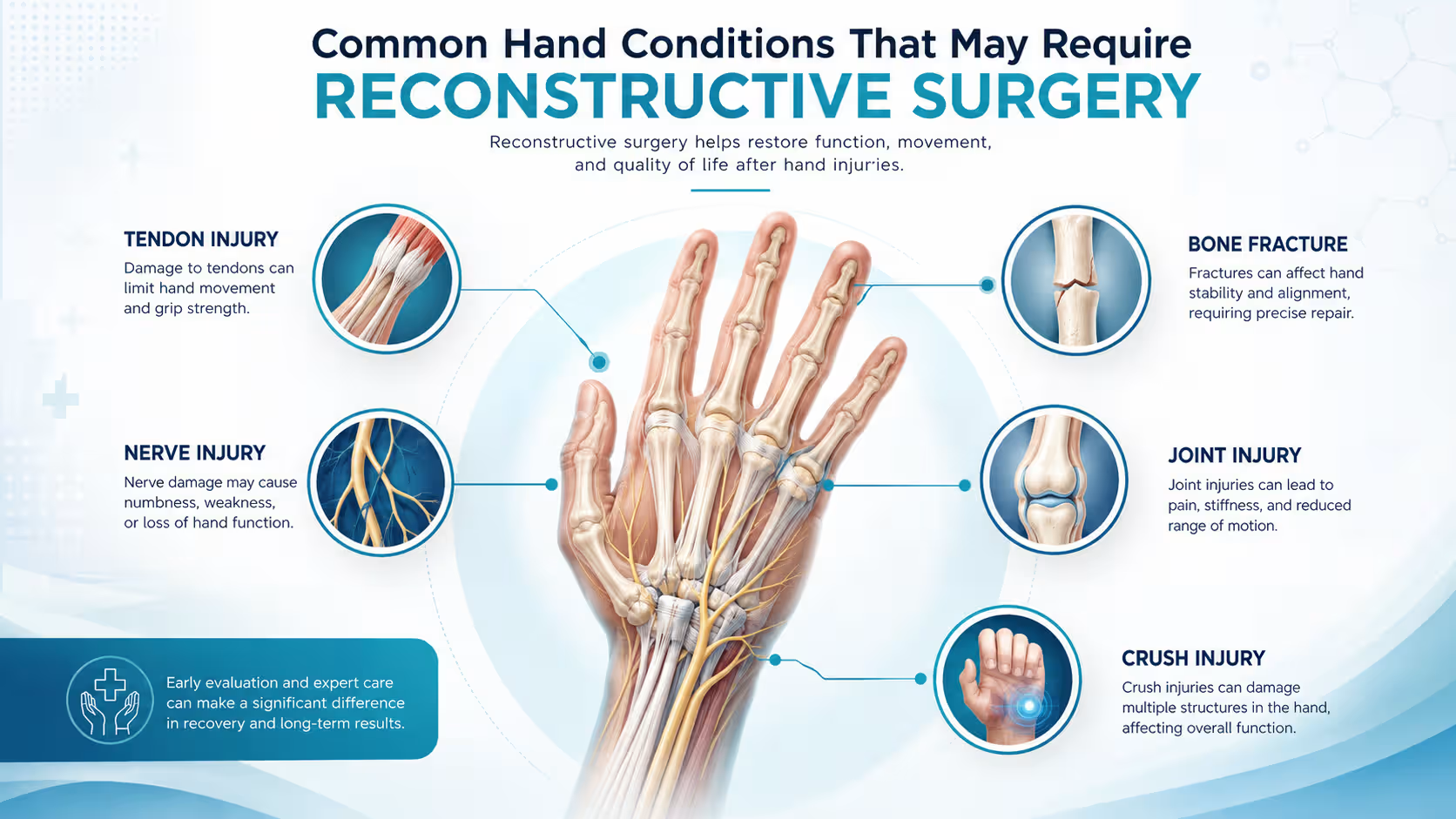
A severe hand injury after an accident can damage:
- Bones
- Tendons
- Ligaments
- Muscles
- Nerves
- Blood vessels
- Skin and soft tissues
- Finger joints
If these injuries are not treated promptly, they can result in chronic pain, stiffness, deformity, reduced grip strength, or permanent loss of function.
What Are the Most Common Causes of Hand Injury After an Accident?
Hand injuries can occur in many situations, including:
Road Traffic Accidents
Motorcycle, bicycle, and car accidents frequently cause fractures, tendon injuries, crush injuries, and finger amputations.
Workplace Accidents
Industrial machinery, construction equipment, and sharp tools can cause deep lacerations or crush injuries involving multiple structures.
Sports Injuries
Contact sports, gym accidents, and outdoor activities may result in ligament tears, fractures, or tendon injuries.
Falls
People often use their hands to break a fall, leading to wrist fractures, finger injuries, or ligament damage.
Household Accidents
Kitchen knives, broken glass, power tools, and heavy objects can cause serious hand trauma requiring surgical repair.
What Symptoms Should Never Be Ignored After a Hand Injury?
Not every hand injury appears serious immediately. However, certain warning signs indicate the need for urgent medical evaluation.
Seek immediate medical care if you notice:
- Severe or persistent pain
- Deep cuts exposing tendons or bone
- Heavy bleeding
- Loss of finger movement
- Inability to grip objects
- Numbness or tingling
- Fingers becoming pale, cold, or bluish
- Visible deformity
- Swelling that rapidly worsens
- Partial or complete finger amputation
Ignoring these symptoms may lead to permanent loss of function.
When Does a Hand Injury Require Reconstructive Surgery?
One of the most common questions patients ask is whether surgery is really necessary.
The answer depends on the type and severity of the injury.
Reconstructive surgery is generally recommended when the injury cannot heal properly on its own or when important structures have been damaged.
Is Surgery Needed for Broken Bones?
Simple fractures often heal with a cast or splint.
However, surgery becomes necessary if:
- Bones are displaced
- Multiple fractures are present
- The joint surface is involved
- Bones are unstable
- Open fractures expose the bone through the skin
Metal plates, screws, or wires may be used to restore proper alignment and stability.
Can Torn Tendons Heal Without Surgery?
Tendons connect muscles to bones and allow finger movement.
If a tendon is completely torn, patients may be unable to bend or straighten one or more fingers.
Since tendons have limited healing ability, complete tears usually require surgical repair followed by specialized hand therapy.
When Is Nerve Repair Necessary?
Nerves provide sensation and control muscle movement.
If a nerve is injured, patients may experience:
- Numbness
- Tingling
- Weakness
- Difficulty moving fingers
- Loss of fine motor skills
Microsurgical nerve repair reconnects damaged nerves using high-powered surgical magnification, improving the chances of functional recovery.
What Happens If Blood Vessels Are Damaged?
Blood vessels deliver oxygen and nutrients to the fingers.
When circulation is interrupted, tissues may begin to die within hours.
Emergency microsurgery may be required to restore blood flow and prevent permanent tissue loss.
Can Crush Injuries Be Repaired?
Crush injuries are among the most complicated hand injuries.
They often involve:
- Bone fractures
- Tendon rupture
- Skin loss
- Nerve damage
- Blood vessel injury
Treatment may require multiple reconstructive procedures over several months to restore both function and appearance.
Is Finger Reattachment Possible?
Yes, in selected cases.
If a finger has been amputated during an accident, surgeons may perform replantation surgery to reconnect:
- Bones
- Arteries
- Veins
- Tendons
- Nerves
The success of reattachment depends largely on how quickly the patient reaches a specialist and how well the amputated part has been preserved.
How Is a Hand Injury Diagnosed?
Accurate diagnosis helps determine the most appropriate treatment plan.
Your surgeon may recommend:
- Detailed physical examination
- X-rays
- CT scan
- MRI
- Ultrasound (for tendon injuries)
- Blood flow assessment
- Nerve function evaluation
These investigations help identify injuries that may not be visible externally.
What Does Reconstructive Surgery for a Hand Injury Involve?
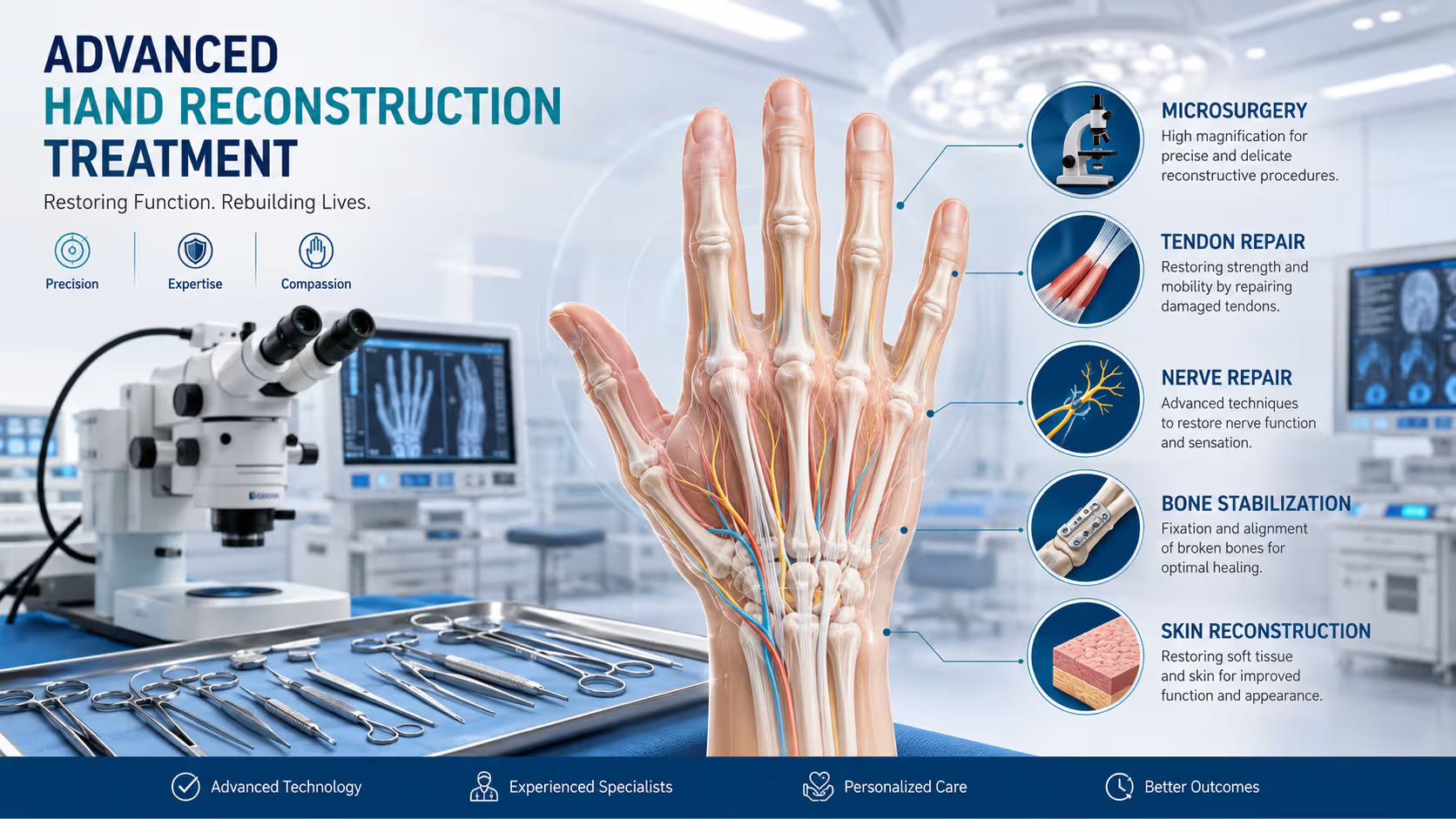
Reconstructive surgery aims to restore both function and appearance while preserving as much healthy tissue as possible.
Depending on the injury, treatment may include:
- Tendon repair
- Nerve reconstruction
- Bone fixation
- Ligament repair
- Joint reconstruction
- Skin grafting
- Local flap surgery
- Free flap reconstruction
- Microsurgery
- Scar revision
- Finger replantation
Every surgical plan is individualized based on the patient’s injury, age, occupation, and functional requirements.
Why Is Microsurgery Important in Hand Reconstruction?
Microsurgery has revolutionized the treatment of severe hand injuries.
Using specialized microscopes and extremely fine instruments, surgeons can repair tiny blood vessels and nerves that are often less than 2 millimeters in diameter.
Microsurgery is particularly useful for:
- Finger reattachment
- Nerve repair
- Blood vessel repair
- Complex soft tissue reconstruction
- Free tissue transfer
This advanced technique improves circulation, enhances healing, and increases the chances of restoring normal hand function.
What Happens After Reconstructive Surgery?
Recovery is just as important as the surgery itself.
Immediately after surgery, the hand is usually protected with a splint or dressing to support healing. Pain and swelling are managed with medications, and patients are advised to keep the hand elevated.
As healing progresses, a structured rehabilitation program begins. Specialized hand therapy focuses on restoring flexibility, improving grip strength, reducing stiffness, and gradually helping patients return to daily activities.
Recovery time varies depending on the severity of the injury. Minor reconstructive procedures may heal within a few weeks, while complex injuries involving multiple structures can take several months to recover fully.
Can You Regain Normal Hand Function After Reconstructive Surgery?
One of the biggest concerns patients have after a hand injury after an accident is whether they will be able to use their hand normally again.
The good news is that many patients recover excellent hand function when they receive timely treatment, undergo appropriate surgery, and actively participate in rehabilitation. However, the outcome depends on several factors, including:
- The severity and type of injury
- Whether nerves, tendons, or blood vessels were damaged
- How quickly treatment was started
- The patient’s age and overall health
- Commitment to physiotherapy and hand exercises
Simple injuries often recover completely, while complex crush injuries or multiple fractures may require longer rehabilitation. Even in severe cases, reconstructive surgery can significantly improve movement, grip strength, and overall hand function.
What Is the Recovery Timeline After Hand Reconstructive Surgery?
Every patient’s recovery journey is unique, but the general timeline looks like this:
First Week
- Pain and swelling gradually decrease.
- Dressings and splints protect the repaired structures.
- The hand should remain elevated to reduce swelling.
2–6 Weeks
- Wound healing continues.
- Gentle finger movements may begin under medical supervision.
- Hand therapy is often introduced to maintain flexibility.
6–12 Weeks
- Grip strength slowly improves.
- Patients gradually resume light daily activities.
- Continued physiotherapy helps restore movement.
3–6 Months
- Tendons, nerves, and bones continue healing.
- Most patients notice significant functional improvement.
6–12 Months
- Nerve recovery may continue.
- Strength and dexterity improve further.
- Final results become more apparent.
Recovery varies depending on the complexity of the injury, but patience and consistent rehabilitation are key to achieving the best possible outcome.
Why Is Physiotherapy So Important After Surgery?
Successful reconstructive surgery is only one part of the recovery process. Rehabilitation is equally important.
A structured hand therapy program helps:
- Restore joint mobility
- Improve finger flexibility
- Increase grip strength
- Reduce stiffness
- Prevent scar contracture
- Improve coordination
- Enhance fine motor skills
Skipping physiotherapy can result in stiffness, weakness, and limited hand function, even after a technically successful surgery.
What Complications Can Occur If a Serious Hand Injury Is Left Untreated?
Delaying treatment for a hand injury after an accident can lead to permanent complications.
Some of the most common include:
- Permanent stiffness
- Chronic pain
- Weak grip strength
- Loss of finger movement
- Persistent numbness
- Poor wound healing
- Infection
- Joint deformity
- Permanent nerve damage
- Loss of hand function
- Difficulty performing daily activities
Early diagnosis and timely reconstructive surgery can prevent many of these long-term problems.
How Can You Reduce the Risk of Hand Injuries?
Although accidents cannot always be prevented, following basic safety measures can reduce your risk.
At Work
- Wear protective gloves when required.
- Follow workplace safety protocols.
- Use machinery only after proper training.
- Avoid distractions while operating equipment.
While Driving
- Always wear your seat belt.
- Follow traffic rules.
- Avoid using your phone while driving.
- Wear appropriate protective gear when riding a motorcycle.
During Sports
- Wear protective equipment.
- Warm up before physical activity.
- Use proper techniques during training.
At Home
- Handle knives and sharp tools carefully.
- Keep power tools in good working condition.
- Store hazardous equipment safely away from children.
Prevention is always the best approach, but if an injury does occur, seeking prompt medical care is essential.
When Should You Consult a Plastic and Reconstructive Surgeon?
Not every hand injury requires specialized surgery, but certain situations should never be ignored.
Consult a reconstructive surgeon immediately if you experience:
- Deep cuts involving tendons
- Loss of finger movement
- Numbness after an injury
- Severe crush injuries
- Finger amputation
- Open fractures
- Persistent pain with deformity
- Loss of blood supply to the fingers
- Large skin defects
- Injuries involving multiple structures of the hand
Early intervention often results in better functional recovery and reduces the risk of permanent disability.
Frequently Asked Questions (FAQs)
Q1.Can a hand injury heal without surgery?
Yes. Minor cuts, bruises, and uncomplicated fractures often heal with conservative treatment. However, injuries involving tendons, nerves, blood vessels, or complex fractures usually require reconstructive surgery.
Q2.Is reconstructive hand surgery painful?
The procedure is performed under anesthesia, so you won’t feel pain during surgery. Mild discomfort after the operation is expected and is typically managed with medications prescribed by your surgeon.
Q3.How long does it take to recover after hand reconstruction?
Recovery depends on the type and severity of the injury. Some patients recover within a few weeks, while complex injuries may take six to twelve months for optimal improvement.
Q4.Can damaged nerves grow back after surgery?
Peripheral nerves can regenerate slowly after repair, but recovery takes time. Sensation and muscle function often improve gradually over several months.
Q5.Can amputated fingers always be reattached?
Not always. The success of finger reattachment depends on the type of injury, the condition of the amputated part, and how quickly specialized treatment is received.
Q6.Will there be a scar after surgery?
Some scarring is normal after surgery. Plastic and reconstructive surgeons use advanced techniques to minimize visible scars and preserve hand function. Over time, scars usually become less noticeable.
Q7.Is physiotherapy necessary after hand surgery?
Yes. Hand therapy plays a vital role in restoring movement, strength, and coordination. Following your rehabilitation program greatly improves the chances of a successful recovery.
Key Takeaways
- A hand injury after an accident can affect bones, tendons, nerves, blood vessels, and soft tissues.
- Minor injuries may heal with conservative treatment, but severe trauma often requires reconstructive surgery.
- Early diagnosis and timely intervention improve the chances of restoring normal hand function.
- Microsurgery allows precise repair of damaged nerves and blood vessels in complex injuries.
- Rehabilitation and physiotherapy are essential for achieving the best long-term results.
- Delaying treatment can lead to permanent disability, stiffness, and loss of hand function.
Conclusion
A serious hand injury after an accident should never be ignored. Even if the wound appears small, underlying damage to tendons, nerves, bones, or blood vessels can significantly affect the function of your hand. Seeking prompt medical attention and receiving the right treatment at the right time can make a remarkable difference in your recovery.
Reconstructive surgery has advanced tremendously in recent years, offering effective solutions for repairing complex hand injuries, restoring movement, improving sensation, and helping patients return to their normal lives. Combined with dedicated rehabilitation, modern surgical techniques can provide excellent functional and cosmetic outcomes.
If you or a loved one has sustained a severe hand injury, consulting an experienced reconstructive surgeon is one of the most important steps toward recovery.
Dr. Nikhil Puri specializes in advanced plastic, aesthetic, and reconstructive procedures, with expertise in managing complex hand injuries, tendon repairs, nerve reconstruction, microsurgery, scar management, and trauma reconstruction. His patient-centered approach focuses on restoring both function and appearance while helping individuals regain confidence and independence after injury.