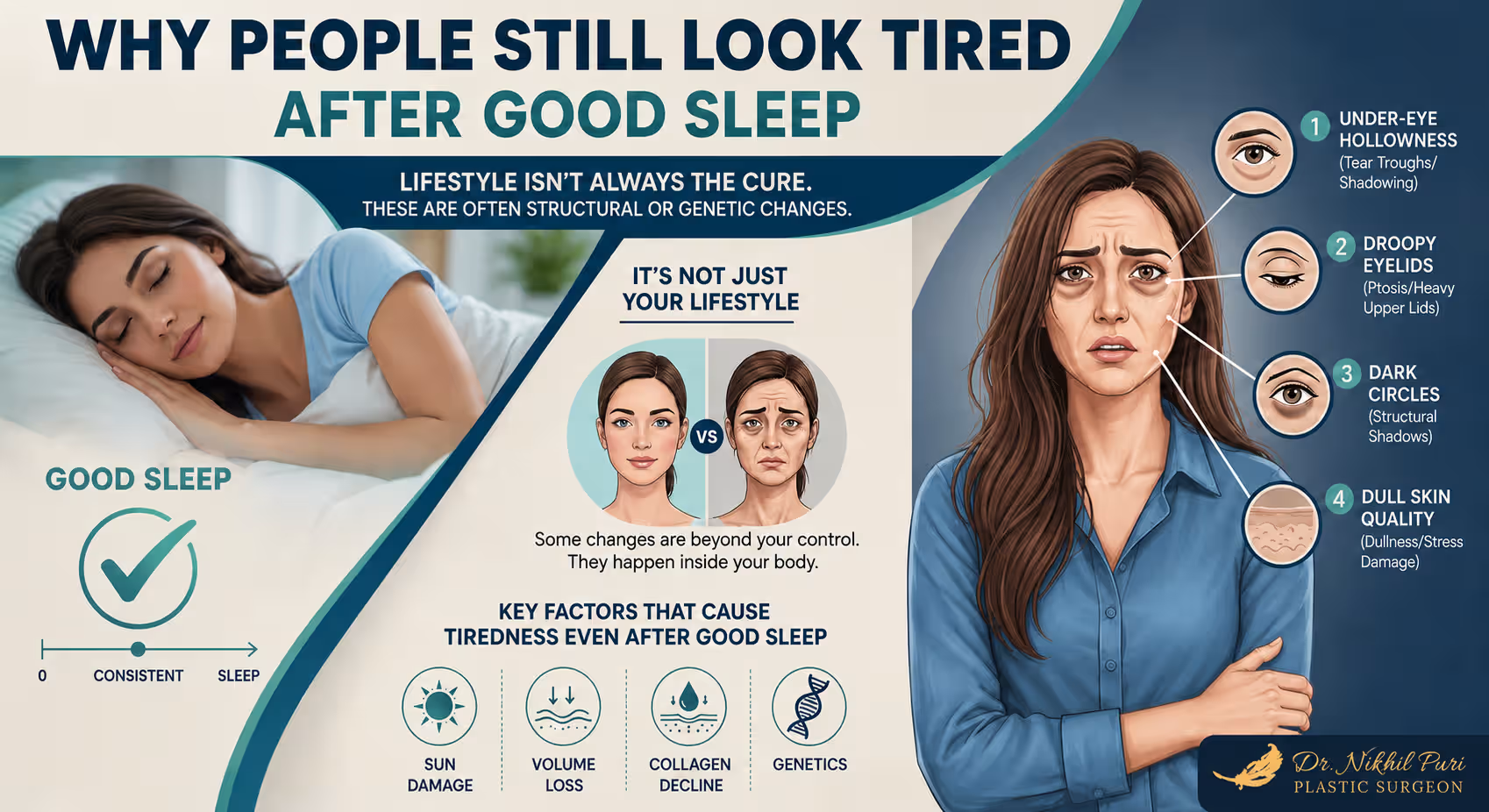
Why do some people still look tired after getting enough sleep?
Looking tired despite adequate sleep often results from factors beyond rest. Genetics, facial anatomy like under-eye hollows, and natural aging lead to persistent fatigue markers. Additionally, dehydration, chronic allergies, and lifestyle habits cause puffiness or dark circles. For lasting improvement, professional treatments from experts like Dr. Nikhil Puri can address these underlying structural concerns effectively.
Why Do You Still Look Exhausted Even After Sleeping 8 Hours?
It is incredibly frustrating to wake up feeling refreshed only to see a haggard face in the mirror. You might have followed every “sleep hygiene” tip available, yet the reflection looks like you stayed up all night. Many people assume that extra rest will eventually fix their sunken eyes or dark shadows. Unfortunately, sleep is only one small piece of a much larger aesthetic puzzle.
Is Sleep Always the Reason Behind a Tired Face?
While sleep deprivation certainly causes temporary puffiness, it is rarely the cause of chronic facial fatigue. In many cases, the “tired” look is actually a result of shadows, skin quality, or bone structure. If you consistently look drained, your skin might be losing its natural resilience. Consequently, even twelve hours of rest won’t fill in deep hollows or tighten loose skin around your eyelids.
Why Understanding the Root Cause Matters
To fix a problem, you must first identify why it is happening in the first place. Treating structural eye bags with a topical cream is often an exercise in futility. Consulting with a specialist, such as a cosmetic Surgeon, can help you differentiate between lifestyle-related issues and anatomical ones. Dr. Nikhil Puri emphasizes that a personalized diagnosis is the secret to moving from a “tired” look to a “refreshed” one.
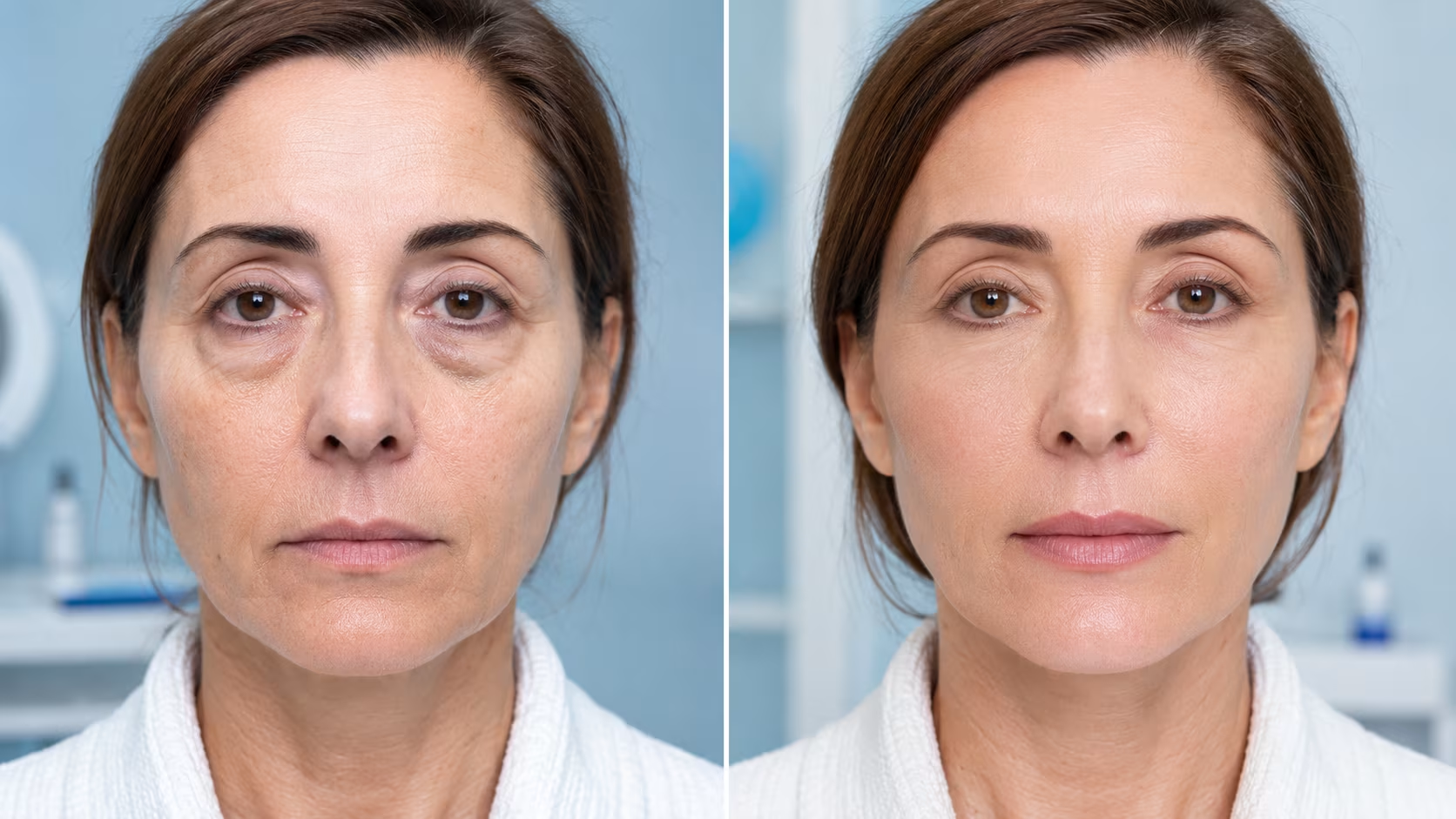
What Does a “Tired Face” Actually Mean?
A “tired face” is a collection of specific visual cues that our brains interpret as exhaustion. Usually, these signs cluster around the eyes, which are the focal point of human communication. When the skin around the eyes darkens or sags, it signals to others that your energy levels are low.
Common Facial Features That Make You Look Tired
The most prominent markers include under-eye bags, dark pigment, and drooping upper eyelids. Furthermore, a loss of volume in the mid-face can make the cheeks look sunken, casting downward shadows. These shadows are often what people mistake for “dark circles” when, in reality, they are just gaps in facial volume.
Why Others Notice Fatigue Before You Do
Humans are biologically programmed to read facial expressions and health markers. Even minor changes in the tear trough area can alter how others perceive your mood and vitality. Therefore, you might feel energetic, but your facial anatomy is telling a different story to the world. Addressing these subtle changes can significantly boost your social and professional confidence.
Why Can You Look Tired Even After Good Sleep?
If you are getting eight hours of rest but still look worn out, several biological factors are likely at play. Understanding these causes helps you choose the right solution rather than wasting money on ineffective remedies.
Genetics and Facial Structure
Sometimes, looking tired is simply a matter of DNA. Some individuals are born with deep-set eyes or a natural predisposition toward hyperpigmentation under the lower lids. If your parents had permanent eye bags, you likely inherited the same structural traits. In these instances, lifestyle changes will have a limited impact on your appearance.
Under-Eye Hollows
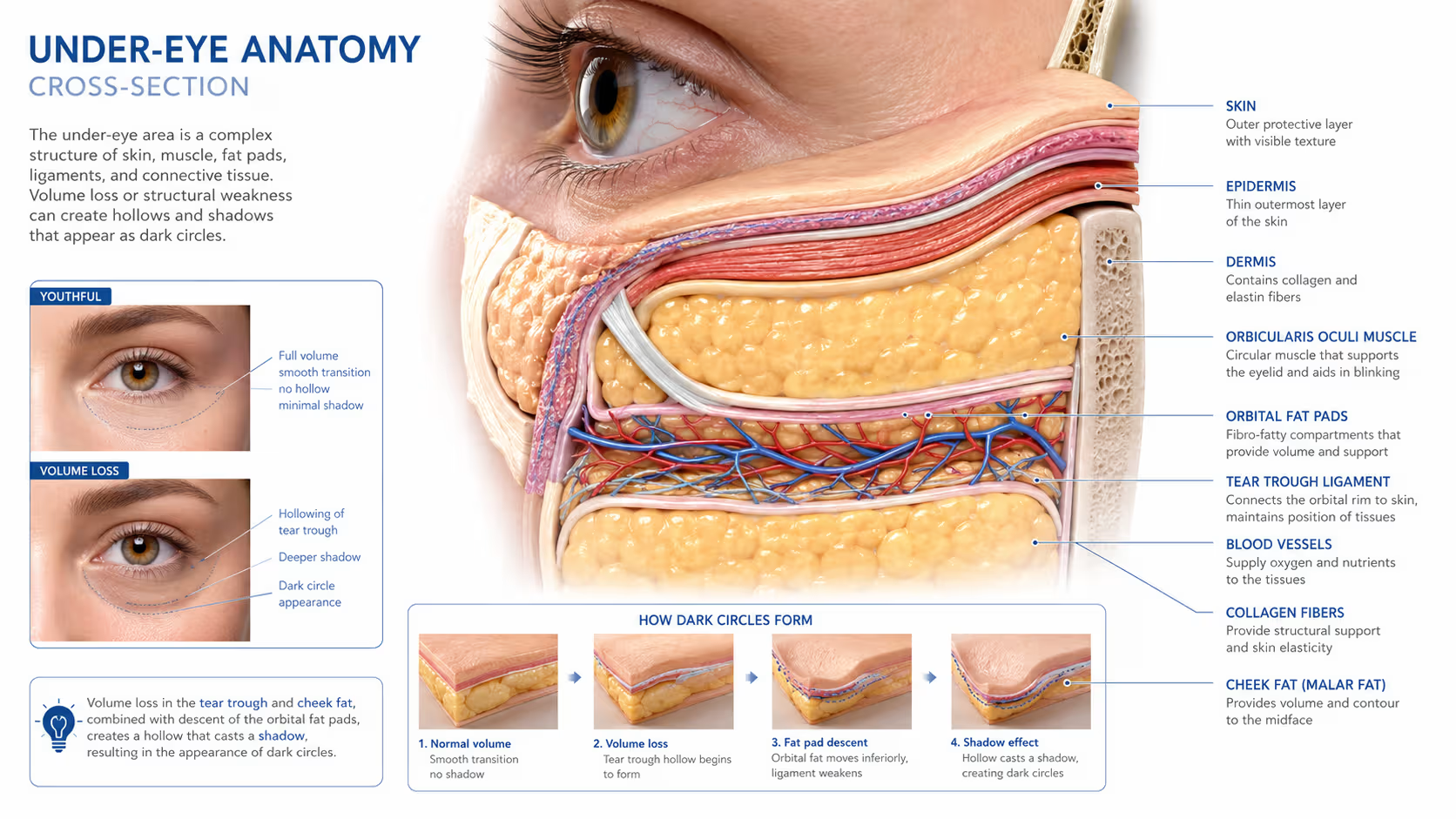
Also known as “tear troughs,” these hollows are the depressions between the lower eyelid and the upper cheek. As we age, these areas can lose fat, creating a “ditch” that catches shadows. Because these shadows look dark, people often mistake them for skin pigment. Dr. Nikhil Puri frequently sees patients who believe they have dark circles when they actually have volume loss.
Dark Circles
True dark circles are caused by either thin skin or actual melanin deposits. When the skin under the eye is very thin, the underlying blood vessels show through, creating a bluish tint. This condition is often exacerbated by seasonal allergies or poor circulation.
Puffy Eyes
Fluid retention is a major contributor to a heavy, tired appearance. When fluid collects in the soft tissues around the eyes, it creates “bags” that make the lids look weighted. While salt intake affects this, some people are simply prone to edema in the facial region.
Volume Loss With Age
As we grow older, we naturally lose the “baby fat” that keeps our faces looking youthful and plump. This fat doesn’t just disappear; it often shifts downward due to gravity. Consequently, the smooth transition from the eye to the cheek becomes a series of visible ridges and valleys.
Stress and Cortisol
Chronic stress keeps your body in a “fight or flight” mode, which redirects blood flow away from the skin. Elevated cortisol levels also break down collagen and elastin faster than normal. Even if you are sleeping, the physiological impact of a stressful day can linger on your face for weeks.
Dehydration
When your body lacks water, your skin becomes dull and loses its elasticity. The skin around the eyes is the thinnest on the body and shows signs of dehydration almost immediately. A dehydrated face looks “flat” and lacks the healthy glow associated with being well-rested.
Poor Nutrition
A diet high in processed sugars and low in antioxidants can lead to “glycation.” This process damages the protein fibers that keep your skin firm. Without the right vitamins, like Vitamin C and K, your skin cannot repair itself efficiently during your sleep cycles.
Allergies and Sinus Problems
Chronic sinus congestion causes the veins around your eyes to dilate and darken. This is often referred to as “allergic shiners.” If you are constantly rubbing your eyes due to itchiness, you are also causing physical trauma and thickening of the skin.
Digital Screen Fatigue
We spend hours staring at phones and computers, which leads to “computer vision syndrome.” This causes the muscles around the eyes to strain and tighten. This constant tension can lead to fine lines and a dull, “glazed” look that persists even after sleep.
Skin Aging
Sun damage is the primary cause of premature skin aging. UV rays destroy collagen, leading to fine wrinkles known as “crepey” skin. When the skin loses its snap, it hangs loosely, creating shadows that mimic the look of exhaustion.
Which Lifestyle Habits Can Make Your Face Look Constantly Tired?
While anatomy is a major factor, your daily routine can certainly aggravate a tired appearance. Small habits often have a cumulative effect on how your skin reflects light and retains moisture.
Too Much Screen Time
Blue light from screens can disrupt your skin’s natural circadian rhythm. Furthermore, squinting at small text leads to the formation of “crow’s feet” and forehead furrows. Taking regular breaks is essential for maintaining a relaxed, youthful facial expression.
Smoking and Alcohol
Smoking restricts blood flow and starves the skin of oxygen. Similarly, alcohol is a potent dehydrator that causes blood vessels to dilate, leading to permanent redness or puffiness. Both habits accelerate the breakdown of the skin’s structural integrity.
Lack of Exercise
Physical activity boosts circulation, which helps flush out toxins and bring nutrients to the skin’s surface. Without regular movement, your complexion can appear stagnant and sallow. Even a short daily walk can improve the “vibrancy” of your facial skin.
High Salt Intake
Consuming too much sodium causes the body to hold onto water in unusual places. The area under the eyes is a prime spot for this excess fluid to settle. If you notice your face is extra puffy in the mornings, your dinner the night before might be the culprit.
Could a Medical Condition Be Responsible?
If lifestyle changes and sleep don’t help, an underlying health issue might be the cause. It is important to rule these out with a healthcare provider before seeking cosmetic interventions.
Thyroid Disorders
Hypothyroidism often causes systemic puffiness and thinning of the eyebrows. If your thyroid is underactive, your metabolism slows down, leading to fluid retention in the face. Dr. Nikhil Puri often advises patients to check their hormone levels if they experience sudden facial changes.
Anemia
Iron deficiency prevents your blood from carrying enough oxygen to your tissues. This results in extremely pale skin, which makes dark circles under the eyes look much more prominent. Anemia is a very common, yet treatable, cause of looking “washed out.”
Vitamin Deficiencies
Low levels of Vitamin B12, D, or K can affect skin health and blood clotting. Vitamin K, in particular, is essential for maintaining the health of the tiny capillaries around the eyes. A simple blood test can determine if you need supplements to restore your glow.
How Does Aging Change the Way Your Face Looks?
Aging is a continuous process that affects the bones, muscles, fat, and skin of the face. Understanding this progression helps in choosing the most effective rejuvenation strategy.
Collagen Loss
Starting in our mid-twenties, we lose about 1% of our collagen every year. Collagen is the “scaffolding” of the skin. As it disappears, the skin becomes thinner and more prone to sagging, which creates the appearance of fatigue.
Fat Redistribution
In a young face, fat is distributed evenly, creating smooth curves. As we age, this fat tends to clump or disappear from the upper face and settle in the lower jawline. This “deflation” is a primary reason why people look tired as they get older.
Can Skincare Alone Fix a Tired Appearance?
Skincare is vital for maintenance, but it has limitations. Creams can improve the surface texture and pigment, but they cannot lift sagging muscle or replace lost bone.
Ingredients That Actually Help
Retinoids are the gold standard for stimulating collagen production over time. Vitamin C helps brighten the skin and protect against environmental damage. Additionally, caffeine-infused eye creams can temporarily constrict blood vessels to reduce minor puffiness.
Sunscreen
The best “anti-fatigue” product is a high-quality sunscreen. By preventing UV damage, you stop the destruction of the fibers that keep your eyes looking lifted. Consistent use is necessary to see long-term results.
What Cosmetic Treatments Can Refresh a Tired Face?
When topical products aren’t enough, professional treatments offer more dramatic and lasting results. As a leading expert, provides several options to restore a youthful look.
-
Tear Trough Fillers: Injectable hyaluronic acid can fill in hollows instantly. This removes the shadow and makes the under-eye area look seamless with the cheek.
-
Eyelid Surgery (Blepharoplasty): This procedure removes excess skin and fat from the upper or lower lids. It is the most effective way to “open up” the eyes and remove permanent bags.
-
Fat Grafting: Using your own fat to restore volume is a long-lasting alternative to synthetic fillers.
-
Laser Treatments: Lasers can tighten the skin and reduce dark pigment caused by sun damage or visible veins.
When Should You Consult a Plastic Surgeon?
You should consider professional advice if your tired appearance persists despite being healthy and well-rested. If you feel that your “outside” doesn’t match your “inside,” a consultation can provide clarity. Dr. Nikhil Puri, known as the Best Plastic Surgeon in Lucknow, specializes in identifying whether you need a surgical fix or a non-invasive boost. Seeking help early can often prevent the need for more complex surgeries later in life.
Expert Insights from Dr. Nikhil Puri
According to Dr. Puri, many patients struggle with “pseudo-fatigue.” This is a condition where the facial anatomy creates a false impression of tiredness.
Why Accurate Diagnosis Matters
“I often see patients who have spent a fortune on eye creams without seeing a change,” says Dr. Puri. “This is because their issue is structural, like a protruding fat pad or a deep tear trough.” He believes that understanding the unique anatomy of each patient is the only way to achieve a natural, refreshed look.
Personalized Facial Rejuvenation
Every face ages differently. Consequently, a “one size fits all” approach never works in aesthetic medicine. Dr. Puri emphasizes that combining small, strategic treatments often yields the most “undetectable” and beautiful results.
Common Myths About Looking Tired
| Myth | Fact |
| More sleep always fixes dark circles. | Dark circles are often genetic or anatomical, not just sleep-related. |
| Eye creams can remove fat bags. | Only surgery or specific procedures can remove or reposition fat. |
| Looking tired is just a part of aging. | Modern treatments can significantly refresh the face at any age. |
| Cosmetic surgery looks “fake.” | Skilled surgeons like Dr. Puri focus on natural-looking restoration. |
Key Takeaways
-
Sleep Is Only One Part: Looking tired involves skin quality, fat distribution, and bone structure.
-
Anatomy Matters: Hollows and shadows are often mistaken for dark skin pigment.
-
Lifestyle Influence: Screens, salt, and stress play supporting roles in facial fatigue.
-
Medical Checks: Rule out anemia or thyroid issues if changes are sudden.
-
Professional Help Works: When creams fail, fillers or blepharoplasty offer real solutions.
Conclusion
Looking tired when you feel great is a common frustration that affects millions. While we often blame a late night, the reality is usually tied to genetics, aging, and facial structure. Simple lifestyle adjustments like staying hydrated and using sunscreen are excellent first steps. However, if these don’t provide the results you desire, it may be time for a professional evaluation.
If you are tired of being asked “Are you okay?” or “Did you sleep well?”, consider reaching out to a specialist. Consulting with Dr. Nikhil Puri, the Best Cosmetic Surgeon in Lucknow, can help you reclaim your vibrant, energetic appearance. With a personalized plan, you can finally ensure that your face reflects the energy you feel inside.
FAQs
Q1.Why do I still look tired after sleeping well?
Looking tired despite good sleep is often due to facial anatomy. Features like deep tear troughs, genetic dark circles, or age-related volume loss create shadows that mimic fatigue. Factors like allergies or thin skin also play a role. Consulting the Best Plastic Surgeon in Lucknow can help identify your specific structural cause.
Q2.Can dehydration make my face look tired?
Yes, dehydration significantly impacts facial appearance. When the body lacks water, the skin becomes dull and loses its “plumpness.” This makes the skin around the eyes look sunken and thin. Consistent hydration helps maintain skin elasticity and a brighter, more refreshed complexion.
Q3.Are dark circles always caused by poor sleep?
No, dark circles are frequently caused by genetics, allergies, or hyperpigmentation. In many cases, what looks like a dark circle is actually a shadow cast by a hollow under-eye area. Treatments like fillers or lasers are often more effective than sleep for correcting these permanent marks.
Q4.Can stress affect my facial appearance?
Chronic stress releases cortisol, which breaks down collagen and slows skin repair. This leads to fine lines, dullness, and a “haggard” look. Even if you sleep, the physiological toll of stress can prevent your skin from looking its best. Stress management is vital for facial rejuvenation.
Q5.At what age do under-eye hollows become noticeable?
Under-eye hollows can appear as early as your 20s if they are genetic. However, most people notice them in their 30s or 40s as natural fat loss occurs. As we age, the “mid-face” loses volume, making the transition between the eye and cheek more prominent and shadowed.
Q6.Which cosmetic treatment works best for tired-looking eyes?
The “best” treatment depends on the cause. For volume loss, dermal fillers are excellent. For sagging skin or fat bags, a blepharoplasty (eyelid surgery) is the gold standard. Dr. Nikhil Puri, a leading expert, recommends a personalized consultation to determine the most effective approach for your eyes.
Q7.Can blepharoplasty make me look younger?
Yes, blepharoplasty is one of the most effective procedures for facial rejuvenation. By removing excess skin and repositioning fat, it eliminates “heavy” lids and under-eye bags. This creates a more alert, youthful, and “open” appearance that looks entirely natural when performed by a skilled surgeon.
Q8.How do I know if my tired appearance is caused by a medical condition?
If you feel physically exhausted, have cold intolerance, or notice sudden skin changes, consult a doctor. Conditions like anemia or thyroid imbalance are common culprits. If you are otherwise healthy but look tired, the cause is likely anatomical and can be addressed by a plastic surgeon.
Q9.When should I consult a plastic surgeon?
Consult a plastic surgeon when lifestyle changes and skincare no longer provide results. If your under-eye bags or hollows are permanent, professional intervention is necessary. Experts like the Best Plastic Surgeon in Lucknow can offer surgical and non-surgical options to restore your facial vitality.
Q10.Can lifestyle changes improve a tired-looking face?
Lifestyle changes like reducing salt, avoiding smoking, and using retinoids can improve skin texture. However, they cannot fix deep structural issues like bone loss or protruding fat pads. A combination of healthy habits and professional care usually yields the most satisfying and long-lasting results.