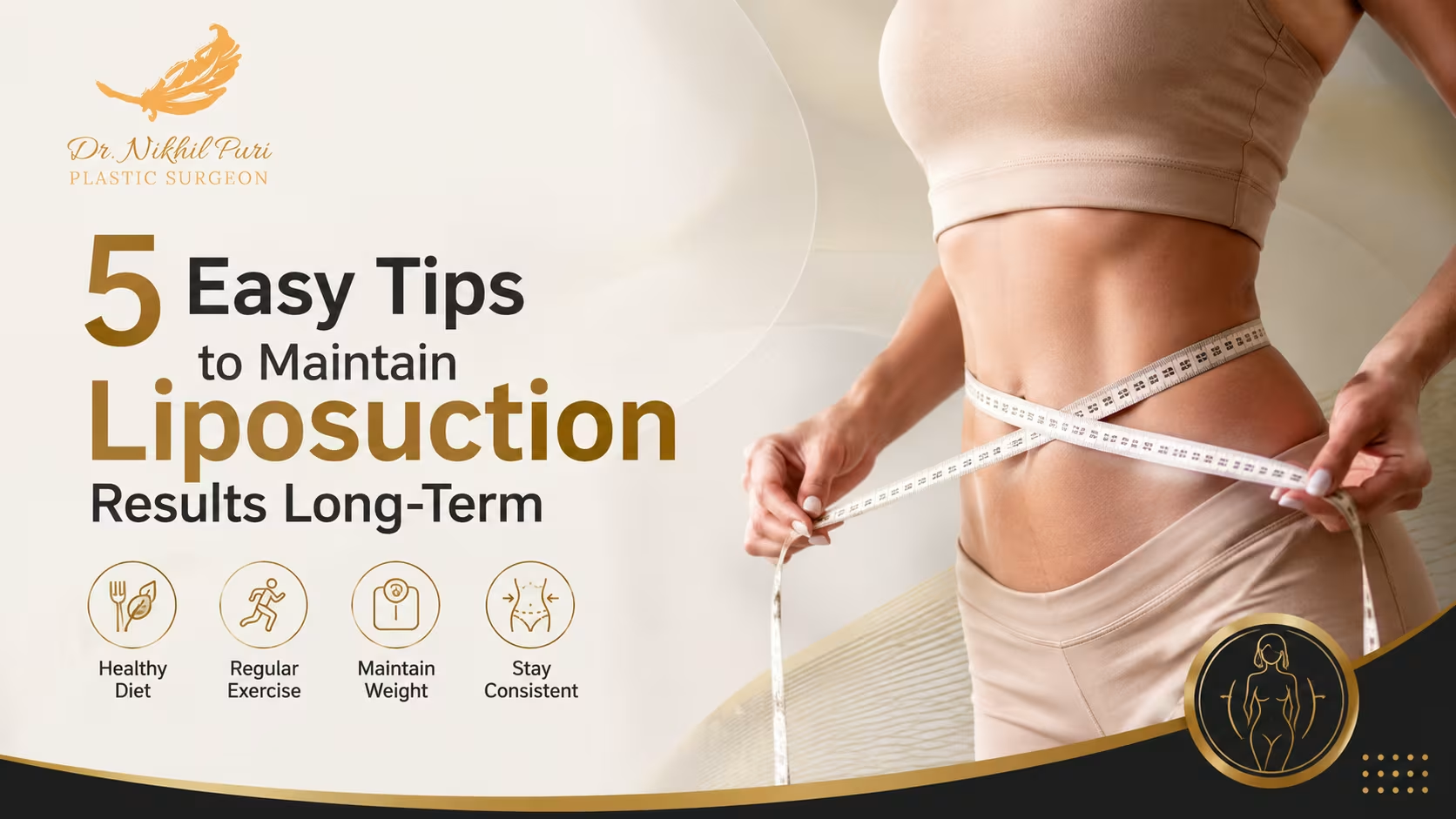
How can you maintain liposuction results for years?
Liposuction results can last for many years when patients maintain a stable body weight, follow a balanced diet, exercise regularly, stay hydrated, and closely follow their surgeon’s post-operative instructions. Consistency in daily habits—not the surgery alone—is what preserves your new body shape long after recovery is complete.
Introduction
Liposuction is one of the most popular body contouring procedures worldwide, and for good reason—it delivers visible, often dramatic improvements in body shape by removing stubborn, diet-resistant fat. But many patients wonder why some people enjoy smooth, sculpted results for a decade or longer, while others notice their shape gradually changing within a year or two. The difference almost always comes down to lifestyle, not surgical technique.
Why Do Some Patients Maintain Liposuction Results for Years While Others Don’t?
The patients who maintain their results the longest are the ones who treat liposuction as the starting point of a new body, not the finish line. They understand that fat cells removed during surgery are gone permanently, but the remaining fat cells in the body can still expand if weight is gained. Patients who let old habits creep back in—skipping workouts, eating poorly, or gaining significant weight—often see their contours soften over time.
Is Liposuction Permanent?
Liposuction permanently removes fat cells from the treated areas, and this part of the result truly is permanent. However, “permanent” doesn’t mean “unchangeable forever regardless of lifestyle.” The body can still store new fat in the remaining cells, both in treated and untreated areas, if calorie intake consistently exceeds what the body burns. This is why the procedure is best understood as a permanent head start, not a permanent guarantee.
Why Lifestyle Matters More Than Surgery Alone
Surgery reshapes the body; lifestyle maintains that shape. Even the most skilled surgical work can be undermined by a sedentary routine or poor nutrition over time. This is why patients considering the procedure are encouraged to consult a qualified specialist first. As the Best Plastic Surgeon in Lucknow, Dr Nikhil Puri emphasizes that a successful outcome is a partnership between precise surgical technique and the patient’s ongoing commitment to healthy living.
What Happens to Fat After Liposuction?
Does Liposuction Remove Fat Cells Permanently?
Yes. During liposuction, fat cells are suctioned out of targeted areas using a thin cannula, and once removed, those specific cells cannot regenerate or return. This is fundamentally different from weight loss through diet alone, which shrinks fat cells but doesn’t eliminate them.
Can Fat Return After Surgery?
While the removed fat cells are gone for good, the body can still gain fat through the fat cells that remain. If a patient gains a significant amount of weight after surgery, those remaining cells can expand, sometimes changing the treated area’s appearance and often directing new fat storage toward untreated regions like the face, arms, or upper back.
Understanding Body Fat Distribution
Everyone’s body has a genetically influenced pattern of fat distribution. Liposuction changes the proportions in treated zones, but it doesn’t rewrite the body’s underlying tendencies. This is why maintaining a stable weight is so important—it keeps the new proportions intact rather than allowing genetic fat-storage patterns to reassert themselves elsewhere.
Why Maintaining Results Requires Long-Term Commitment
Surgery Gives You a New Shape—Your Habits Maintain It
Think of liposuction as a reset button for body contour. The habits practiced afterward determine whether that new shape becomes the permanent baseline or gradually reverts. Patients who build sustainable routines around food, movement, and sleep tend to enjoy their results for many years, sometimes indefinitely.
Why Weight Fluctuations Matter
Frequent, significant swings in weight—gaining and losing the same 10–15 pounds repeatedly—can be harder on body contour than a stable weight, even one that’s slightly higher than the immediate post-surgery weight. Stability allows skin and tissue to settle and adapt smoothly.
Setting Realistic Expectations
Liposuction is not a guarantee against all future body changes, including aging, pregnancy, or major weight shifts. Setting realistic expectations from the outset—understanding what the procedure can and cannot do—helps patients feel satisfied with their results long-term rather than disappointed by natural life changes.
5 Easy Tips to Maintain Liposuction Results Long-Term
1. Maintain a Stable Body Weight
Weight stability is arguably the single biggest factor in preserving your contoured results.
Why Weight Gain Can Affect Results When body weight increases substantially, remaining fat cells throughout the body—including those near treated areas—can enlarge, gradually blurring the definition achieved through surgery.
How Much Weight Fluctuation Is Normal? A fluctuation of a few pounds up or down is completely normal and won’t meaningfully affect results. Problems tend to arise when weight changes exceed 10–15% of a patient’s post-surgery body weight, so keeping fluctuations modest is a reasonable, achievable goal.
2. Eat a Nutrient-Rich Balanced Diet
Nutrition is one of the most controllable factors in long-term success.
Which Foods Support Long-Term Results? Lean proteins, fiber-rich vegetables, whole grains, and healthy fats support a stable metabolism and help prevent unwanted weight gain.
Foods to Limit After Liposuction: Ultra-processed snacks, sugary beverages, fried foods, and excessive refined carbohydrates contribute to fat storage and inflammation, making them worth limiting.
Does Protein Help Recovery? Yes—adequate protein intake supports tissue repair during the healing phase and helps maintain lean muscle mass over the long run, both of which contribute to a firmer, more sculpted appearance.
3. Exercise Regularly
Movement keeps muscle tone visible and supports overall metabolic health.
When Can You Start Working Out? Light walking is usually encouraged within the first few days after surgery, while more structured exercise typically resumes gradually over the following weeks, based on individual healing and surgeon guidance.
Best Exercises After Liposuction: Once cleared, a combination of low-impact cardio and gradually progressing strength training tends to work well for preserving contour and building supportive muscle tone.
Cardio vs Strength Training: Cardio supports calorie balance and cardiovascular health, while strength training helps maintain muscle definition beneath the skin—both play complementary roles in long-term body shape.
4. Stay Hydrated and Prioritize Sleep
These two often-overlooked habits play a bigger role in body composition than many people realize.
How Water Supports Healing: Proper hydration supports circulation, helps flush out anesthesia byproducts, reduces swelling, and aids the tissues in adapting smoothly to their new contour.
Can Poor Sleep Affect Body Fat? Yes. Insufficient sleep is linked to hormonal imbalances that can increase appetite and promote fat storage, making consistent, quality sleep an important piece of the maintenance puzzle.
Healthy Daily Habits That Matter: Small, consistent habits—regular meal timing, daily movement, adequate water intake, and a consistent sleep schedule—add up to significant long-term benefits for body shape.
5. Attend Follow-Up Visits and Follow Your Surgeon’s Advice
Why Follow-Up Appointments Are Important: Follow-up visits allow your surgical team to monitor healing, address concerns early, and offer personalized guidance tailored to your recovery progress and long-term goals.
When Should You Contact Your Surgeon? Patients should reach out if they notice unusual swelling, asymmetry, or any change that seems inconsistent with normal healing. Dr Nikhil Puri encourages patients never to hesitate about reaching out with questions, noting that early communication often prevents small concerns from becoming bigger ones.
Can Fat Come Back After Liposuction?
Is Weight Gain Possible After Liposuction?
Yes, weight gain is entirely possible after liposuction if calorie intake consistently exceeds what the body uses. Liposuction changes fat cell distribution in treated areas, but it doesn’t make future weight gain impossible.
Where Does Fat Return First?
If weight gain occurs, it often shows up first in untreated areas, since the body may direct new fat storage toward regions with a higher remaining density of fat cells.
Can New Fat Cells Develop?
Under normal circumstances, adults have a relatively fixed number of fat cells, but significant, sustained weight gain can, in some cases, prompt the body to generate new fat cells—reinforcing why weight stability matters.
What Foods Should You Eat After Liposuction?

A nutrient-dense diet supports both healing and long-term maintenance.
High-Protein Foods: chicken, fish, eggs, legumes, and low-fat dairy support tissue repair and muscle maintenance.
Fruits and Vegetables: colorful, fiber-rich produce supports digestion, reduces inflammation, and helps manage overall calorie intake.
Healthy Fats: sources like avocados, nuts, seeds, and olive oil support hormone balance without promoting excess fat storage.
Whole Grains: brown rice, oats, and quinoa provide sustained energy and support stable blood sugar levels.
Foods to Avoid: sugary drinks, deep-fried foods, excessive salt, and heavily processed snacks can hinder healing and contribute to weight gain.
How Soon Can You Exercise After Liposuction?

Recovery Timeline
First Week: Rest is the priority. Short, gentle walks are usually encouraged to support circulation and reduce the risk of blood clots, while strenuous activity is avoided.
Weeks 2–4: Light activity, such as longer walks or gentle stretching, is often introduced gradually, depending on how the individual is healing.
After One Month: Many patients can begin easing back into more structured exercise, including light strength training and moderate cardio, typically with continued guidance from their surgical team.
Long-Term Fitness Routine: Once fully healed, a balanced routine combining cardio and strength training several times a week supports lasting results and overall health.
Note: Every patient heals differently, so timelines should always be personalized and confirmed with your surgeon before resuming any activity.
What Lifestyle Habits Can Ruin Liposuction Results?
Certain habits can quietly undo the benefits of surgery over time:
- Sedentary Lifestyle: Minimal movement slows metabolism and can contribute to gradual weight gain.
- Overeating: Consistently consuming more calories than the body needs leads to fat accumulation in remaining cells.
- Frequent Weight Gain and Loss: Yo-yo weight cycling can affect skin elasticity and tissue smoothness.
- Smoking: Smoking impairs circulation and healing and can negatively affect skin quality over time.
- Excessive Alcohol: Alcohol is calorie-dense and can disrupt metabolism, sleep, and healing.
Do’s and Don’ts After Liposuction
| Do’s | Don’ts |
|---|---|
| Maintain a stable, healthy weight | Allow frequent large weight swings |
| Eat a balanced, nutrient-rich diet | Rely on processed or sugary foods |
| Exercise regularly once cleared | Stay sedentary for long periods |
| Stay hydrated and prioritize sleep | Skip water intake or sleep consistently |
| Attend all follow-up appointments | Ignore the surgeon’s aftercare instructions |
| Communicate concerns early | Wait to report unusual symptoms |
| Avoid smoking and limit alcohol | Smoke or drink excessively |
How Long Do Liposuction Results Really Last?
Months vs Years
Initial swelling typically settles over the first few months, revealing the more defined contour beneath. From there, results can last for many years—often a decade or more—provided weight remains stable.
Factors That Influence Longevity
Genetics, age, skin elasticity, hormonal changes, and lifestyle consistency all influence how long results last. Two patients with identical procedures can have different long-term outcomes based on these factors.
Can Results Last a Lifetime?
For many patients who maintain stable habits, results can last essentially a lifetime, since the removed fat cells never return. However, natural aging and skin changes over decades can still subtly alter appearance, even with excellent maintenance.
Is Liposuction Better Than Weight Loss?
Liposuction vs Diet and Exercise
Liposuction and weight loss serve different purposes. Diet and exercise reduce overall body fat and improve health broadly, while liposuction sculpts specific areas that don’t respond well to those efforts, such as stubborn pockets on the abdomen, flanks, or thighs.
Who Is the Ideal Candidate?
Ideal candidates are typically close to their target weight, in good general health, with localized fat deposits that haven’t responded to diet and exercise, and with realistic expectations about the procedure’s scope.
Why Liposuction Is Not an Obesity Treatment
Liposuction is a body contouring procedure, not a weight-loss or obesity treatment. It’s designed to refine and sculpt, not to remove large volumes of fat for significant weight reduction, and it doesn’t address the underlying causes of obesity.
Can Pregnancy Affect Liposuction Results?
What Women Should Know
Pregnancy causes significant hormonal shifts, weight gain, and changes in skin and tissue that can affect previously contoured areas, regardless of how well liposuction results were maintained beforehand.
Can Results Be Preserved After Pregnancy?
Many women return to a similar shape after pregnancy with a healthy postpartum recovery, though some changes—especially in the abdominal area—may persist. Patients planning future pregnancies are often advised to discuss timing with their surgeon before undergoing liposuction.
Common Mistakes Patients Make After Liposuction
- Ignoring Diet: Reverting to old eating habits too soon undermines results.
- Skipping Exercise: Avoiding movement long-term can lead to gradual weight gain.
- Unrealistic Expectations: Expecting perfection or permanent immunity to all future body change can lead to disappointment.
- Missing Follow-Up Visits: Skipping appointments means missed opportunities to catch and address concerns early.
- Comparing Results Too Early: Judging results before swelling fully resolves—often several months—can create unnecessary worry.
When Should You Contact Your Plastic Surgeon?
Certain signs warrant prompt communication with your surgical team:
- Persistent Swelling that doesn’t gradually improve over time
- Pain That Doesn’t Improve or worsens instead of easing
- Signs of Infection, such as redness, warmth, or fever
- Uneven Healing or noticeable asymmetry between treated areas
- Unexpected Changes in sensation, skin texture, or contour
Prompt communication allows your surgical team to address issues early, which generally leads to better outcomes.
Expert Insights
Why Long-Term Results Depend on Patient Commitment
Surgical skill lays the foundation, but long-term success is ultimately a shared responsibility between surgeon and patient. Patients who stay engaged with healthy habits tend to be the happiest with their results years down the line.
The Importance of Personalized Aftercare
Every patient’s body, lifestyle, and goals are different, which is why personalized aftercare guidance matters so much. Dr Nikhil Puri, a trusted Plastic Surgeon in Lucknow, advises patients that liposuction offers long-lasting body contouring results only when combined with healthy lifestyle habits and regular follow-up care. This individualized approach helps ensure that each patient’s results are protected for years to come.
Key Takeaways
- Liposuction Removes Fat Cells, Not the Need for Healthy Habits: The procedure permanently removes targeted fat cells, but ongoing healthy habits are still essential.
- Weight Stability Is the Biggest Success Factor: Keeping weight fluctuations modest protects your contoured shape.
- Diet and Exercise Protect Your Investment: Balanced nutrition and regular movement help preserve results long-term.
- Follow-Up Care Matters: Regular check-ins with your surgeon help catch and address concerns early.
- Long-Term Results Are Achievable: With consistency, results can last many years—for some patients, essentially a lifetime.
Conclusion
Liposuction delivers long-lasting body contouring, but like any meaningful investment, results require ongoing maintenance. Healthy eating, regular exercise, proper hydration, and a stable weight are essential building blocks for preserving your new shape. Following your surgeon’s personalized advice—and staying consistent with follow-up care—helps protect your results for years to come. Remember, consistency, not perfection, is the real key to long-term success.
If you’re considering liposuction or want expert guidance on maintaining your results, Dr Nikhil Puri, recognized as the Best Plastic Surgeon in Lucknow, offers personalized consultations for Liposuction in Lucknow, combining precise surgical technique with comprehensive, long-term aftercare support to help you achieve results that truly last. Reach out today to schedule a consultation and start your journey toward lasting, natural-looking body contouring.
FAQs
Q1.How long do liposuction results last?
Liposuction results can last many years, often a decade or longer, since the removed fat cells don’t return. Longevity depends largely on maintaining a stable weight, eating a balanced diet, exercising regularly, and following your surgeon’s aftercare guidance consistently over time.
Q2.Can fat come back after liposuction?
The specific fat cells removed during surgery cannot return. However, remaining fat cells throughout the body can still expand if significant weight gain occurs, which is why maintaining a stable weight is essential for preserving your results long-term.
Q3.What is the best diet after liposuction?
A balanced diet rich in lean protein, vegetables, fruits, whole grains, and healthy fats supports healing and long-term maintenance. Limiting processed foods, sugary drinks, and excessive salt helps prevent inflammation and supports a stable, healthy body weight.
Q4.When can I exercise after liposuction?
Light walking is often encouraged within the first few days, with more structured exercise gradually reintroduced over several weeks based on individual healing. Always follow your surgeon’s personalized timeline before resuming strength training or intense cardio.
Q5.Can I gain weight after liposuction?
Yes, weight gain is still possible after liposuction if calorie intake consistently exceeds what your body burns. While treated areas often remain proportionally improved, significant weight gain can affect both treated and untreated areas over time.
Q6.Is liposuction permanent?
The fat cells removed during liposuction are permanently gone and won’t return. However, “permanent” doesn’t mean immune to change—maintaining stable weight and healthy habits is necessary to preserve the contoured results over the long term.
Q7.What should I avoid after liposuction?
Patients should generally avoid smoking, excessive alcohol, prolonged inactivity, and diets high in processed or sugary foods. These habits can interfere with healing, contribute to weight gain, and gradually undermine the surgical results over time.
Q8.Does pregnancy affect liposuction results?
Yes, pregnancy causes hormonal shifts, weight gain, and tissue changes that can affect previously contoured areas, particularly the abdomen. Many women return to a similar shape postpartum, though some changes may persist depending on individual factors.
Q9.How can I maintain liposuction results naturally?
Maintaining results naturally involves eating a balanced diet, exercising consistently, staying hydrated, prioritizing sleep, and keeping weight stable. These sustainable, everyday habits protect your contoured shape without requiring extreme or restrictive measures.
Q10.When should I consult a plastic surgeon after liposuction?
Contact your surgeon if you notice persistent swelling, worsening pain, signs of infection, uneven healing, or unexpected changes in your treated areas. Early communication allows your surgical team to address concerns promptly and support optimal healing.