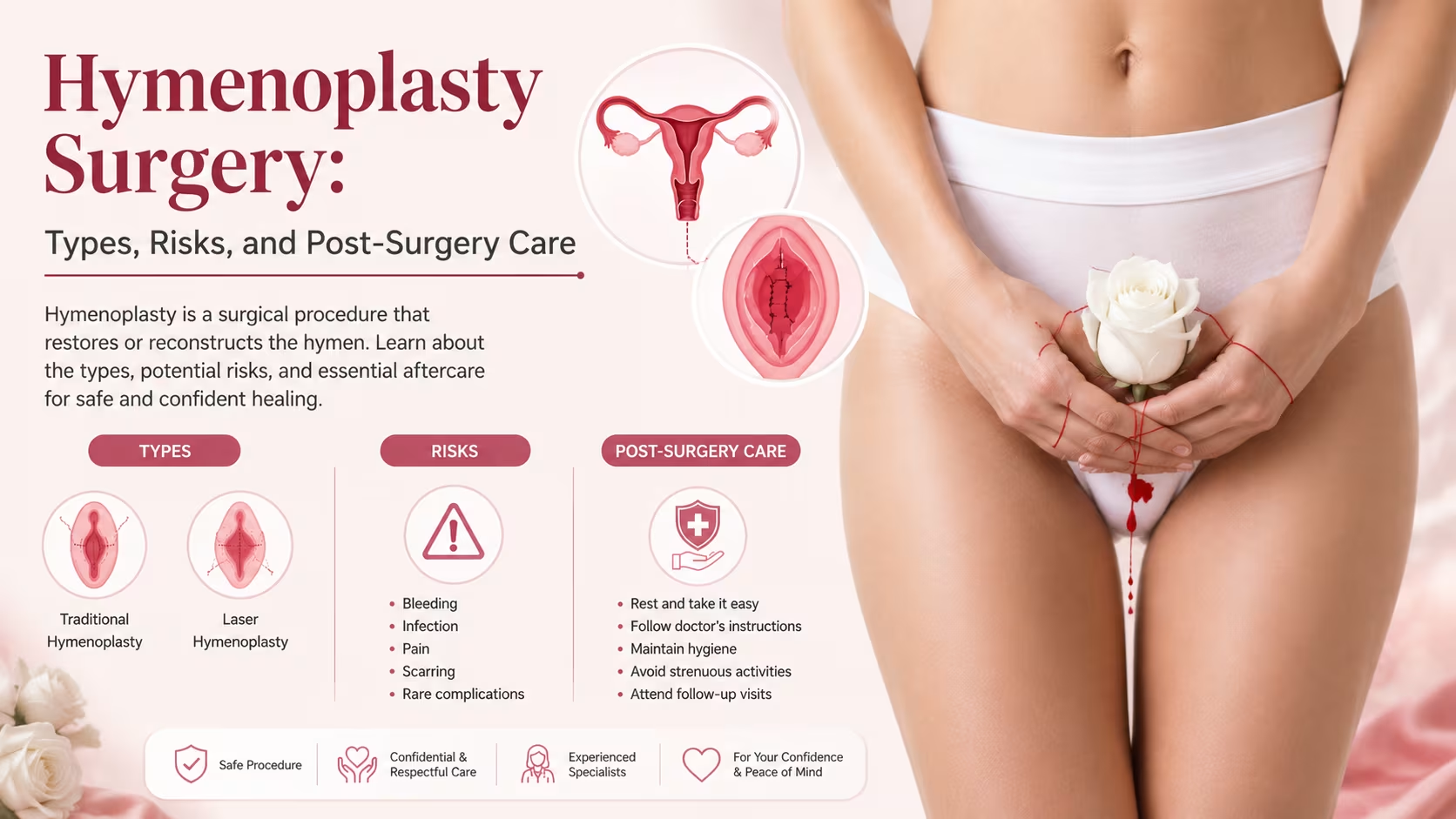
In the evolving landscape of women’s health and cosmetic gynecology, the focus on intimate wellness has grown significantly. Among the various procedures available today, hymenoplasty surgery—also known as hymenorrhaphy or hymen reconstruction—is a personal healthcare choice sought by individuals for various reconstructive, aesthetic, or personal reasons. Deciding to undergo any surgical procedure requires a foundation of trust, privacy, and comprehensive medical information. This guide aims to provide a transparent, medically accurate, and compassionate overview of the procedure to help patients make informed decisions about their bodies and well-being.
Hymenoplasty surgery is a cosmetic surgical procedure used to reconstruct hymenal tissue. The procedure may involve different techniques, temporary recovery restrictions, and follow-up care depending on individual patient needs and surgical approach.
What Is Hymenoplasty Surgery?
At its core, hymenoplasty surgery is a specialized procedure within the field of cosmetic gynecology designed to restore or reconstruct the hymen. The hymen is a thin, membranous tissue located at the opening of the vaginal canal. While historically and culturally significant in various contexts, from a purely anatomical standpoint, the hymen can vary greatly in shape and thickness between individuals.
The surgery involves meticulously suturing the remaining edges of the hymenal tissue back together. In cases where there is insufficient tissue remaining, surgeons may use specialized techniques to create a new membrane. The primary goal of the surgery is to restore the anatomical appearance of the hymen, often with the intent that it will behave similarly to a natural hymen—potentially resulting in slight bleeding or resistance upon subsequent physical pressure or penetration.
Medical professionals approach this procedure with a high degree of confidentiality, recognizing that the decision to seek surgery is often deeply personal and may involve a complex mix of physical and emotional factors.

Why Do Some People Consider Hymenoplasty?
The reasons for seeking hymenoplasty surgery are as diverse as the patients themselves. Modern medicine views this procedure through a lens of patient autonomy and reconstructive necessity rather than judgment.
-
Reconstructive Needs: Some individuals seek repair following physical trauma, sexual assault, or accidental injury. In these cases, the surgery serves as a vital component of physical and psychological healing.
-
Physical Activity: The hymen is fragile. It can be torn or stretched during non-sexual activities such as vigorous sports, gymnastics, horseback riding, or even the use of tampons. Surgery can restore the tissue for those who feel its absence affects their sense of bodily integrity.
-
Cultural and Personal Factors: In many cultures, the presence of an intact hymen is tied to specific traditions or personal milestones. For many women, undergoing the procedure provides peace of mind and emotional comfort, allowing them to navigate their personal lives with confidence.
-
Aesthetic and Psychological Comfort: Some patients choose the procedure to regain a sense of “wholeness” or to move past previous life events, treating the surgery as a symbolic fresh start.
Regardless of the motivation, the medical community’s role is to provide a safe, sterile, and supportive environment for the procedure.
Types of Hymenoplasty Surgery
Not all hymen repair procedures are identical. The choice of technique depends heavily on the amount of original tissue remaining and the specific goals of the patient.
1. Simple Hymen Repair (Basic Suture Technique)
This is the most common form of hymenoplasty surgery. It is typically performed when there are still remnants of the hymenal ring present. The surgeon cleans the edges of the torn tissue and uses fine, dissolvable sutures to join them back together. This technique is often quick and carries a shorter recovery time.
2. The Flap Technique
If there is insufficient tissue to perform a simple repair, the surgeon may opt for the flap technique. In this method, a small section of the vaginal lining (mucosa) is used to create a new hymen. This technique is highly effective and provides a durable result that mimics the original tissue closely.
3. Alloplant Technique
The alloplant technique is used when natural tissue is not viable for reconstruction. It involves the use of a biomaterial (a synthetic or specially treated insert) that acts as a scaffold for the hymen. While less common, it remains an option for complex reconstructive cases.
4. Reconstructive Methods
For patients who have undergone significant trauma or have congenital conditions where the hymen was never fully formed, a more comprehensive reconstructive approach may be required. This might involve a combination of the flap technique and minor vaginal rejuvenation to ensure the surrounding area is anatomically supported.

How Is Hymenoplasty Surgery Performed?
Understanding the surgical journey can help alleviate anxiety. Hymenoplasty surgery is generally performed as an outpatient procedure, meaning patients can usually return home the same day.
The Consultation
The process begins with a private consultation. The surgeon evaluates the patient’s medical history, examines the existing tissue, and discusses expectations. This is the time to discuss privacy concerns and the desired outcome.
Anesthesia
Depending on the patient’s comfort level and the complexity of the repair, the surgery is performed under:
-
Local Anesthesia: The area is numbed, but the patient remains awake.
-
Sedation or General Anesthesia: The patient is asleep or in a twilight state for maximum comfort.
The Surgical Steps
Once the anesthesia has taken effect, the surgeon carefully debrides the edges of the existing hymenal remnants to create “fresh” edges that will heal together. Using microsurgical instruments, the tissue is layered and sutured with threads thinner than a human hair. These sutures are almost always bio-absorbable, meaning they will dissolve on their own and do not need to be removed manually.
Procedure Duration
The entire surgery typically takes between 45 to 90 minutes. After a brief period in the recovery room for monitoring, the patient is discharged with detailed aftercare instructions.
Step-by-Step Recovery Timeline After Hymenoplasty
Recovery is a gradual process. Following a structured timeline ensures the best possible surgical outcome.
Step 1: Immediate Rest After Surgery (Days 1–2)
The first 48 hours are critical for minimizing swelling. Patients are advised to rest at home. You may experience mild spotting and a sensation of tightness in the treated area. Ice packs (applied externally and indirectly) can help manage initial discomfort.
Step 2: Managing Mild Swelling and Discomfort (Days 3–7)
During the first week, swelling may peak and then begin to subside. Most patients can return to light desk work within 3 to 4 days, provided they avoid long periods of standing or walking.
Step 3: Hygiene and Wound Care (Weeks 1–2)
Maintaining a clean surgical site is paramount to prevent infection. Patients are usually instructed to use lukewarm water for cleaning and avoid harsh soaps or douches. Patting the area dry gently is essential.
Step 4: Avoiding Heavy Physical Activities (Weeks 2–4)
While you may feel “back to normal,” the internal sutures are still healing. Avoid heavy lifting, gym workouts, cycling, and squatting. These movements can put undue tension on the delicate repair site.
Step 5: Follow-Up Consultation (Weeks 4–6)
A follow-up visit allows the surgeon to confirm that the tissue has fused correctly and that the sutures are dissolving as expected.
Step 6: Gradual Healing Process (Weeks 6–8)
By the end of the second month, the tissue is typically fully healed. The “new” hymen is now established, and most restrictions on physical activity are lifted.
Hymenoplasty Surgery Overview
The following chart summarizes the key aspects of the procedure for quick reference:
| Aspect | Details |
| Procedure Type | Cosmetic/Reconstructive Intimate Surgery |
| Duration | 45 to 90 minutes (Outpatient) |
| Anesthesia | Local, Sedation, or General |
| Recovery Time | 4 to 6 weeks for full tissue fusion |
| Downtime | 2 to 4 days before returning to light work |
| Possible Risks | Infection, slight bleeding, scarring |
| Follow-Up | Recommended at 2 and 6 weeks post-op |
Note: Individual recovery times vary based on the surgical technique used and the patient’s overall health.
Hymenoplasty Surgery Cost — What Affects the Price?
When researching hymenoplasty surgery cost, it is important to understand that the price is rarely a flat fee. Several factors influence the final investment:
-
Surgeon’s Expertise: Highly experienced cosmetic gynecologists or plastic surgeons typically charge more for their specialized skills and track record of success.
-
Hospital Infrastructure: The quality of the surgical facility, the sterility protocols, and the privacy measures offered contribute to the cost.
-
Anesthesia Fees: Using a board-certified anesthesiologist for general anesthesia is more expensive than local anesthesia.
-
Geographic Location: Surgery costs in major metropolitan areas or specialized medical hubs are generally higher than in smaller towns.
-
Technique Complexity: A simple suture repair is less expensive than a complex flap reconstruction.
-
Pre- and Post-Op Care: This includes consultations, medications, and follow-up appointments.
While cost is a factor, it should never be the sole deciding factor. Prioritize safety, surgical experience, and facility accreditation to ensure a healthy outcome.
Hymenoplasty Surgery Side Effects and Risks
Like any surgical intervention, hymenoplasty surgery carries potential side effects. Being aware of these helps in early detection and management.
-
Swelling and Bruising: This is a natural response to surgery and typically resolves within a week.
-
Mild Bleeding: Spotting is common in the first few days. However, heavy bleeding requires immediate medical attention.
-
Infection: Despite sterile conditions, the vaginal area is home to natural bacteria. Strict adherence to hygiene protocols is necessary to prevent post-operative infection.
-
Discomfort or “Tightness”: Some patients feel a sensation of pulling or itching as the sutures dissolve and the tissue heals.
-
Scarring: While rare with modern microsurgical techniques, some internal scarring (keloids) could occur, potentially causing discomfort during later activities.
-
Delayed Healing: Factors like smoking, poor nutrition, or uncontrolled diabetes can slow the body’s ability to repair tissue.
Can Hymen Repair Be Done Without Surgery?
There is a significant amount of misinformation online regarding hymen repair without surgery. It is vital to distinguish between medical facts and commercial myths.
Many products, such as “hymen repair kits,” artificial membranes, or tightening gels, claim to restore the hymen. However, these products do not actually repair the biological tissue. At best, they provide a temporary effect (such as releasing a blood-like dye) to simulate the presence of a hymen. At worst, they can cause severe allergic reactions, chemical burns, or infections due to unregulated ingredients.
True anatomical reconstruction can only be achieved through hymenoplasty surgery. For those seeking a permanent and medically safe result, surgery performed by a qualified professional is the only evidence-based solution.

What to Avoid After Hymenoplasty Surgery
To ensure the success of the procedure, patients must adhere to specific restrictions:
-
Avoid Tampons: Use sanitary pads for any spotting. Tampons can tear the new sutures.
-
No Sexual Intercourse: Penetrative activity must be avoided for at least 6 to 8 weeks, or until cleared by the surgeon.
-
No Strenuous Exercise: This includes running, weightlifting, and especially activities that involve leg spreading (like yoga or cycling).
-
Avoid Tight Clothing: Wear loose-fitting cotton underwear to allow the area to breathe and prevent friction.
-
No Swimming or Bathtubs: Stick to showers. Submerging the surgical site in water (pools, hot tubs, or baths) increases the risk of infection and can prematurely soften the sutures.
Can You Walk After Hymenoplasty?
A common concern for patients is mobility. Can you walk after hymenoplasty? The answer is yes, but with caution.
Immediately after the surgery, you will be able to walk from the recovery room to your vehicle. However, “walking” in this context refers to slow, necessary movement. You should avoid long walks, power walking, or climbing many flights of stairs for the first week. Short, gentle walks around the house are actually encouraged to promote blood circulation and prevent blood clots, but listen to your body—if you feel pulling or pain, it is a sign to rest.
Possible Reasons for Hymenoplasty Failure
While the success rate of hymenoplasty surgery is high, “failure” (where the tissue does not hold or heal as intended) can occur due to:
-
Infection: Bacteria can break down the suture line before the tissue has fused.
-
Premature Physical Strain: Putting tension on the area too soon can cause the fine stitches to “cheese-wire” through the delicate tissue.
-
Poor Blood Supply: In some cases, the edges of the tissue do not receive enough blood flow to heal together effectively.
-
Individual Anatomy: If the remaining tissue is too thin or scarred from previous injuries, the reconstruction may be more fragile.
Choosing an experienced surgeon and following post-operative care instructions perfectly are the best ways to mitigate these risks.
Emotional and Psychological Considerations
The decision to undergo hymenoplasty surgery is often accompanied by a range of emotions—relief, anxiety, or even a sense of privacy. It is essential to approach this journey with a focus on your emotional well-being.
-
Confidentiality: Reputable clinics prioritize patient privacy above all else. Your medical records and the nature of your surgery are protected.
-
Realistic Expectations: Surgery can restore the anatomy, but it is important to have realistic expectations about the physical sensations and the healing process.
-
Counseling: If the surgery is being sought due to past trauma, combining the procedure with professional counseling can be incredibly beneficial for long-term healing.
Myths vs Facts About Hymenoplasty
Myth: The results of hymenoplasty are instant.
Fact: While the surgery is quick, the biological fusion of tissue takes 4 to 6 weeks. The “result” is only truly ready after full healing.
Myth: Everyone will be able to tell I had surgery.
Fact: When performed by a skilled surgeon using dissolvable microsutures, the repair is virtually indistinguishable from natural tissue once healed.
Myth: Hymenoplasty surgery is extremely painful.
Fact: With modern anesthesia, the procedure itself is painless. Post-operative discomfort is usually manageable with over-the-counter pain relief and proper rest.
Myth: Non-surgical creams can permanently fix a torn hymen.
Fact: No cream or gel can fuse human tissue back together. Only surgical intervention can reconstruct the hymenal membrane.
Final Thoughts
Hymenoplasty surgery is a deeply personal medical decision that sits at the intersection of healthcare, autonomy, and emotional comfort. Whether the motivation is reconstructive, aesthetic, or cultural, every patient deserves to be treated with dignity and provided with the highest standard of medical care.
Understanding the types of surgery, the reality of the recovery timeline, and the importance of post-operative precautions is the first step toward a successful outcome. By choosing a qualified surgeon and prioritizing your aftercare, you can ensure a safe recovery and achieve the peace of mind you seek.
FAQs
Q.What is the hymenoplasty surgery cost?
The cost varies widely depending on the surgeon’s experience, the facility’s location, and the complexity of the technique (Simple vs. Flap). Generally, it includes the surgeon’s fee, anesthesia, and hospital charges.
Q.What are the side effects of hymenoplasty surgery?
Common side effects include temporary swelling, mild bruising, and light spotting. Rare risks include infection or delayed healing of the suture line.
Q.Is hymen repair possible without surgery?
No. While temporary products exist to mimic the effects of an intact hymen, permanent anatomical reconstruction requires surgical intervention.
Q.What is the recovery time after hymenoplasty surgery?
Most patients return to light activities within a few days, but full tissue healing and the resumption of strenuous exercise or sexual activity typically require 6 to 8 weeks.
Q.Can hymenoplasty fail?
Failure is rare but can happen if an infection occurs or if the patient engages in heavy physical activity too soon, causing the sutures to break before the tissue has healed.
Q.What should be avoided after hymenoplasty?
Avoid tampons, sexual intercourse, heavy lifting, squatting, swimming, and cycling for the duration of the 6-8 week healing period.
Q.Can you walk after hymenoplasty surgery?
Yes, light walking is possible and encouraged for circulation. However, strenuous walking or long distances should be avoided for the first week to prevent strain on the sutures.
Q.How soon can normal activities resume after hymenoplasty?
Light desk work can often resume in 3-4 days. However, “normal” activities involving physical exertion or intimate contact must wait until the surgeon provides clearance, usually at the 6-week mark.
Professional Healthcare Guidance:
Intimate cosmetic procedures should always involve informed decision-making, proper medical consultation, and realistic expectations. Understanding the procedure, risks, recovery process, and aftercare helps patients make safer and more confident healthcare decisions. If you are considering this procedure, consult with a board-certified specialist who prioritizes patient safety and confidentiality.