Liposuction is consistently ranked as one of the most popular cosmetic surgeries worldwide. For many, it represents a transformative step toward achieving the body contour they have always desired, removing stubborn fat deposits that diet and exercise simply cannot touch. However, while the focus is often on the dramatic “before and after” photos, a responsible journey toward body contouring must begin with a clear understanding of the procedure’s safety profile.
Understanding liposuction risks is not about creating fear; it is about empowerment. When a patient is well-informed, they can make better decisions regarding their choice of surgeon, their recovery habits, and their overall health. Like any surgical intervention, liposuction carries inherent risks, but in the hands of a skilled professional and with a compliant patient, these risks are significantly minimized.
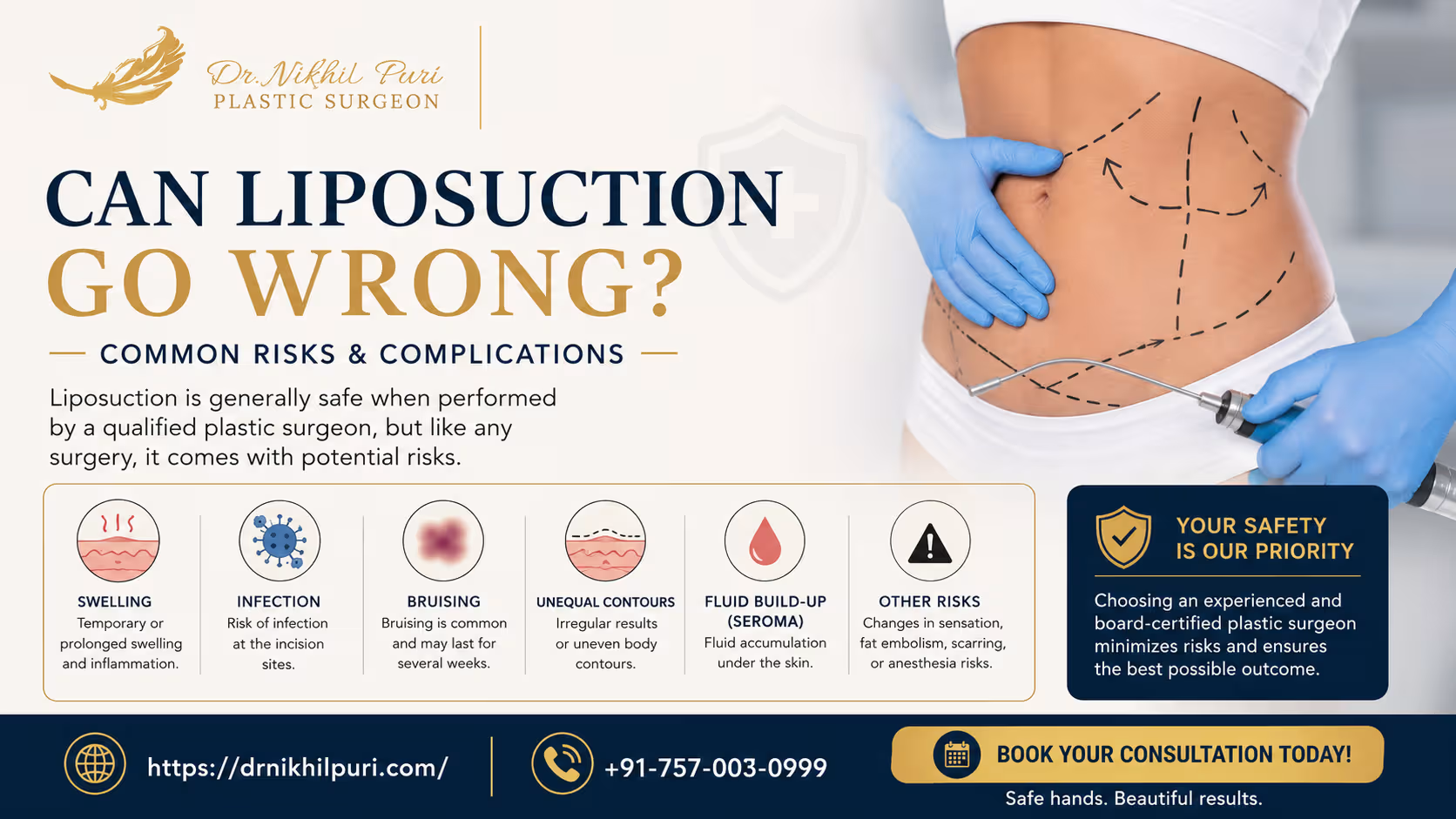
Liposuction risks may include swelling, infection, uneven contour, fluid accumulation, and temporary discomfort. Choosing an experienced surgeon, following recovery instructions, and proper patient selection may help reduce complications and improve cosmetic outcomes.
What Is Liposuction and How Does It Work?
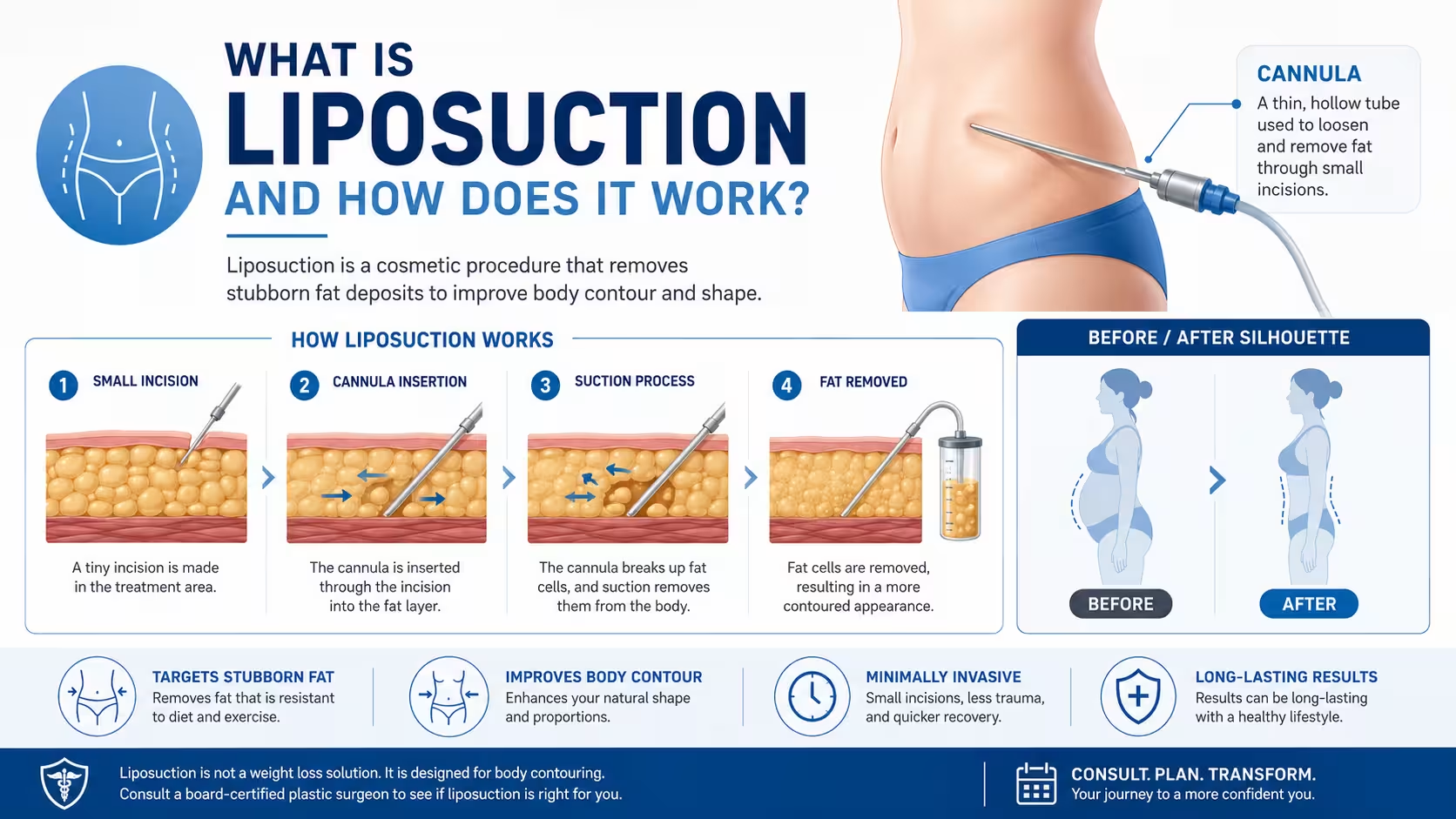
To understand how things can go “wrong,” we must first understand how the procedure is intended to go “right.” Liposuction is a fat-removal procedure designed for body contouring, not weight loss. It involves the use of a thin tube called a cannula, which is inserted through small incisions in the skin. This cannula is used to break up fat cells and vacuum them out of the body.
Common treatment areas include the abdomen, thighs, arms, neck, and hips. The goal is to sculpt the body by removing localized fat deposits that are disproportionate to the rest of the figure. Modern techniques, such as tumescent liposuction (using a saline solution containing local anesthesia and adrenaline), have made the procedure much safer and more precise than it was decades ago.
However, the success of the procedure depends on three main pillars:
-
The Surgeon’s Skill: Precision in fat removal and tissue handling.
-
The Patient’s Anatomy: Skin elasticity and underlying health.
-
The Recovery Process: How the body heals and how well the patient follows post-op instructions.
Are Liposuction Risks Common?
It is important to state clearly: Liposuction is generally considered a safe procedure. For the vast majority of patients, the experience is smooth, and the complications are minor and temporary. Serious complications are rare, particularly when the surgery is performed in an accredited facility by a board-certified cosmetic surgeon.
However, “safe” does not mean “risk-free.” Complications may occur due to a variety of factors, including poor patient selection (operating on someone who isn’t a good candidate), surgical error, or unforeseen biological reactions during healing. By discussing liposuction risks openly, we ensure that patients enter the operating room with realistic expectations and a proactive mindset toward their safety.
Common Liposuction Risks and Complications
When we talk about things “going wrong,” we usually categorize these issues into minor side effects and more significant complications.
1. Swelling and Bruising
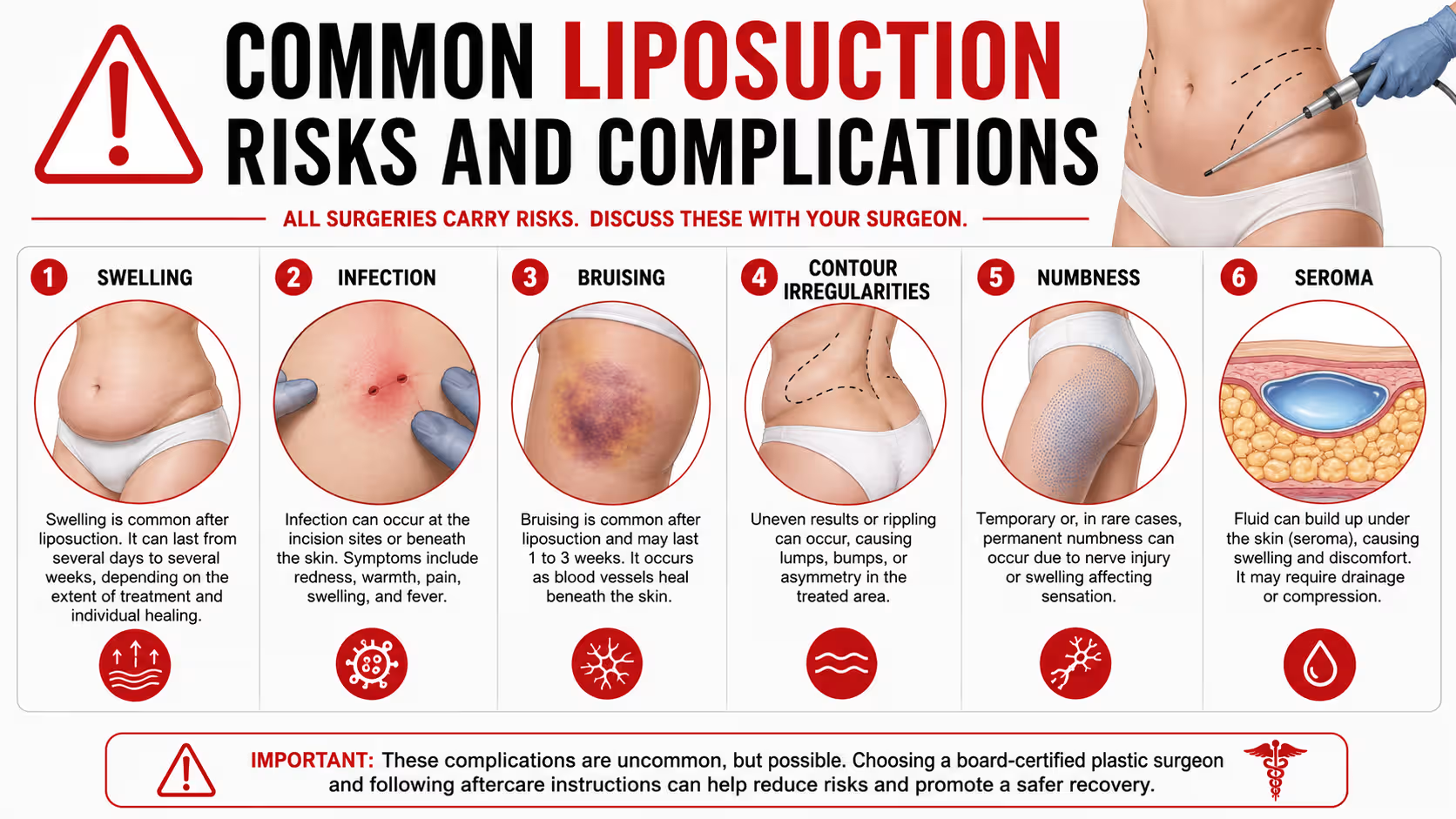
Liposuction swelling is an inevitable part of the healing process. Because the cannula creates tunnels under the skin, the body responds by sending inflammatory fluids to the area. While most swelling subsides within a few weeks, residual “micro-swelling” can last for several months. Bruising is also common but typically fades within 10 to 14 days.
2. Contour Irregularities
One of the most common cosmetic “failures” in liposuction is an uneven or “lumpy” appearance. This can happen if fat is removed unevenly or if the patient has poor skin elasticity. If the skin is unable to “snap back” over the newly contoured area, it may appear wavy or withered.
3. Fluid Accumulation (Seromas)
A seroma is a pocket of fluid that forms under the skin’s surface. While the body often reabsorbs small seromas, larger ones may need to be drained with a needle by your surgeon. This is a common reason why surgeons emphasize the use of compression garments—they help “close” the space where fluid could gather.
4. Numbness and Nerve Irritation
Temporary numbness or a “pins and needles” sensation in the treated area is quite common. This happens because the small nerve endings in the fat layer are disturbed during the procedure. In almost all cases, sensation returns within a few months, though in very rare instances, some numbness may be permanent.
5. Infection
Though rare in sterile surgical environments, infections can occur at incision sites or deeper within the tissues. Surgeons typically prescribe prophylactic antibiotics to mitigate this risk.
6. Skin Necrosis
In rare cases, the blood supply to the skin can be compromised during fat removal, leading to skin death (necrosis). This is more common in patients who smoke, as nicotine constricts blood vessels and hinders the healing process.
Step-by-Step: How Patients Can Reduce Liposuction Risks
Safety is a partnership between the surgeon and the patient. Here is a step-by-step guide on how you can proactively reduce your risks.
Step 1: Choose a Qualified Surgeon
This is the most critical step. Do not choose a surgeon based on price alone. Look for board certification, a portfolio of consistent results, and a surgical facility that meets high safety standards.
Step 2: Share Your Complete Medical History
Even things that seem minor—like a herbal supplement you take or a mild allergy—can affect surgery. Be 100% honest about your medical history, including any previous surgeries and all medications.
Step 3: Stop Smoking Immediately
Smoking is perhaps the single biggest risk factor for surgical complications. It impairs oxygen delivery to tissues, significantly increasing the risk of infection and poor wound healing. You should stop smoking at least 4-6 weeks before and after surgery.
Step 4: Follow Pre-Operative Instructions
Your surgeon will provide a list of medications to avoid (like aspirin or ibuprofen, which can increase bleeding). Following these instructions to the letter is vital for a smooth procedure.
Step 5: Wear Compression Garments Properly
Compression garments are not optional. They provide the necessary pressure to reduce swelling, prevent fluid buildup (seromas), and help the skin adhere to the new body contours.
Step 6: Attend All Follow-Up Appointments
Even if you feel great, do not skip your post-op checkups. Your surgeon can spot potential issues—like a forming seroma or a minor infection—before they become serious problems.
Step 7: Manage Your Expectations
Understand that liposuction is about improvement, not perfection. Having a realistic outlook reduces the “psychological” risk of being unhappy with your results.
Why Choosing the Right Surgeon Matters
The experience of the surgeon is the primary variable in the safety equation. A skilled surgeon doesn’t just know how to remove fat; they know how much to leave behind to ensure a smooth, natural-looking result. They are also experts in “patient selection”—the art of knowing when to say “no” to a patient who may be at high risk for complications.
In the context of Liposuction in Lucknow, safety standards have reached global benchmarks. Experts like Dr. Nikhil Puri focus on patient safety, careful planning, and realistic body contouring outcomes. A surgeon’s commitment to safety starts in the consultation room, where they evaluate your skin quality, medical history, and aesthetic goals to create a customized, low-risk surgical plan.
Can Liposuction Leave Uneven Results?
“Failed” liposuction often refers to aesthetic dissatisfaction rather than a medical emergency. Common aesthetic issues include:
-
Asymmetry: One side of the body looks different from the other.
-
The “Step-Off” Effect: Visible transitions between treated and untreated areas.
-
Dimpling: A “cottage cheese” texture caused by removing fat too close to the skin’s surface.
These issues are often the result of aggressive fat removal or poor technique. A conservative approach—removing just the right amount of fat while respecting the body’s natural proportions—is the hallmark of an expert surgeon. If irregularities do occur, they can sometimes be corrected with “revision liposuction” or fat grafting after the body has fully healed.
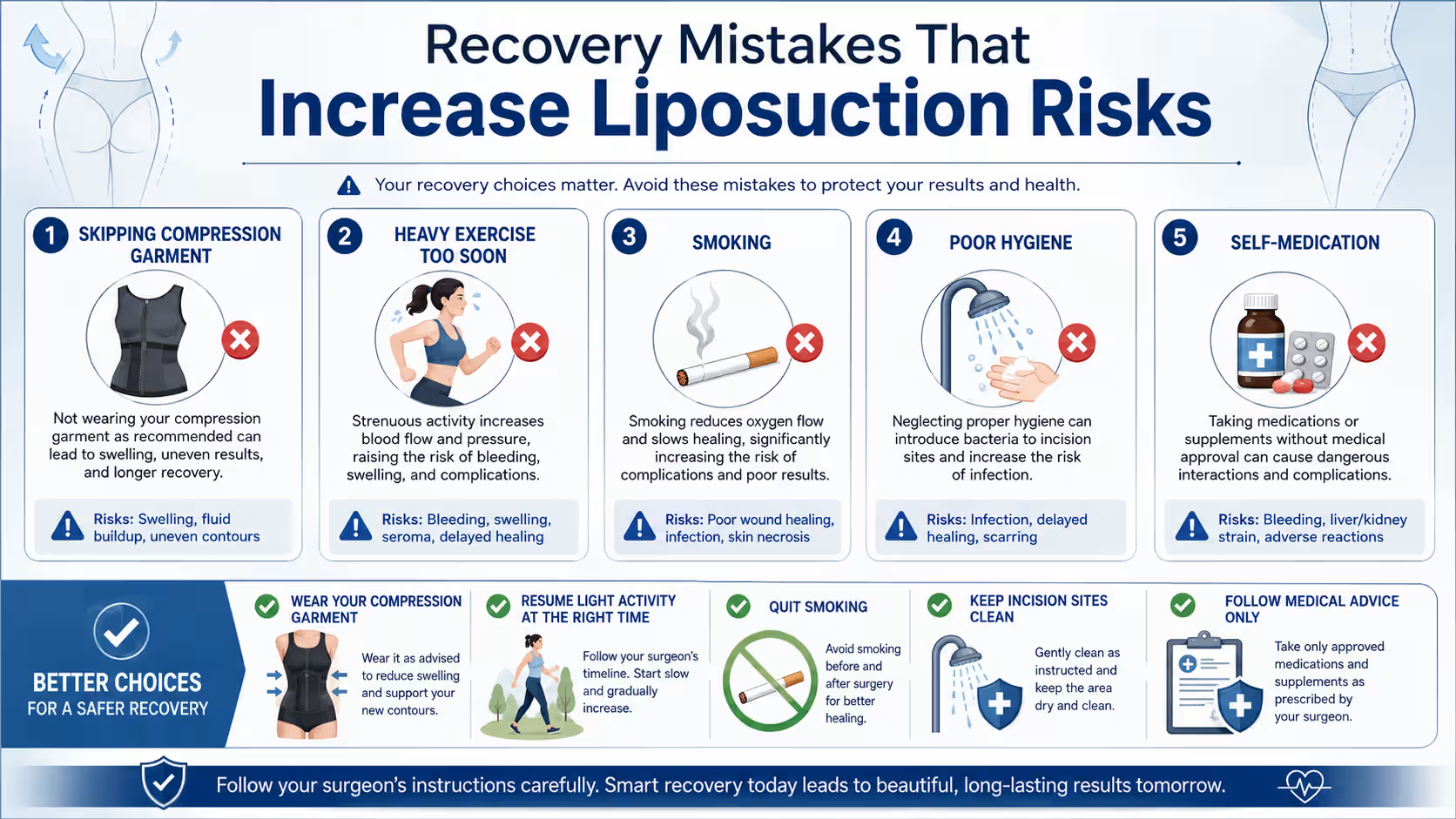
Recovery Mistakes That Increase Liposuction Risks
Your actions during the first few weeks after surgery can make or break your results. Common mistakes include:
-
Removing the Compression Garment Too Early: This leads to prolonged liposuction swelling and increased risk of seromas.
-
Early Intense Activity: While walking is encouraged to prevent blood clots, hitting the gym too early can cause inflammation and even cause incisions to reopen.
-
Dehydration: The body needs water to flush out the tumescent fluid and inflammatory byproducts.
-
Poor Nutrition: Your body needs protein and vitamins to knit tissues back together.
-
Ignoring Warning Signs: Waiting too long to call the doctor when something feels “off.”
Who May Not Be a Good Candidate for Liposuction?
Not everyone is a candidate for liposuction. Operating on the “wrong” person is a primary cause of complications. You might be advised against the procedure if you have:
-
Unrealistic Expectations: Expecting liposuction to solve obesity or act as a substitute for a healthy lifestyle.
-
Poor Skin Elasticity: If your skin is very loose or has extensive stretch marks, liposuction alone may leave you with sagging skin. In these cases, a tummy tuck or body lift might be a better option.
-
Uncontrolled Medical Conditions: Conditions like heart disease, severe diabetes, or a compromised immune system increase the risk of liposuction complications.
-
Significant Obesity: Liposuction is most effective and safest for those within 30% of their ideal body weight.
A Real-Life Perspective: The Recovery Journey
To illustrate the importance of recovery, consider the case of a typical patient, “Anjali.” Anjali underwent 360-degree liposuction of the abdomen and flanks. For the first three days, she felt sore, similar to the feeling of an intense workout. She followed her surgeon’s advice: she walked around her house every few hours, wore her compression garment 24/7, and stayed hydrated.
By week two, her bruising had mostly faded, but she noticed some firmness and lumps—this was normal liposuction swelling. By month three, the swelling had subsided significantly, revealing a contoured waistline. Because she followed the safety protocols, her risk of complications was minimal, and her results were smooth and natural.
The Typical Recovery Timeline
-
Day 1-3: Most intense soreness; fluid drainage from incisions is normal.
-
Week 1-2: Bruising peaks and begins to fade; return to light desk work.
-
Week 4-6: Most swelling subsides; can usually stop wearing compression garments (per surgeon’s advice).
-
Month 3-6: Final results emerge as the last bit of internal swelling disappears.
Warning Signs After Liposuction That Need Medical Attention
While we want patients to remain calm during recovery, you must be aware of “red flags” that require an immediate call to your surgeon:
-
Shortness of breath or chest pain: Could indicate a rare but serious blood clot.
-
Fever or chills: Potential signs of infection.
-
Redness or heat at the incision site: Signs of localized infection.
-
Sudden, extreme swelling on only one side: Could indicate a hematoma (blood collection).
-
Severe pain that isn’t managed by prescribed medication.
Can Liposuction Results Look Natural?
Absolutely. The goal of modern liposuction is not just to “suck out fat,” but to sculpt. A natural result is one where the treated area blends seamlessly with the rest of the body. Achieving this requires the surgeon to have an artistic eye for body proportions and a deep understanding of human anatomy.
Natural results also depend on your skin’s ability to contract. Patients with good skin tone see the best results. If you have significant skin laxity, your surgeon may recommend combining liposuction with skin-tightening technologies or surgical excision to ensure the final look is firm and smooth.
Final Thoughts
Is liposuction safe? In the vast majority of cases, yes. But like any journey, it requires a map, a skilled guide, and a prepared traveler. Understanding liposuction risks helps you prepare for the recovery phase and ensures you don’t cut corners when it comes to your health.
Choosing the right surgeon is the most important decision you will make. Consulting experienced specialists like Dr. Nikhil Puri for safe and properly planned Liposuction in Lucknow may help patients better understand procedure suitability, recovery expectations, and body contouring goals. When safety is prioritized over speed or cost, the results are not just beautiful—they are life-changing and lasting.
FAQs
1. Is liposuction dangerous?
When performed by a qualified, board-certified surgeon in a sterile environment on a healthy candidate, liposuction is considered a low-risk procedure. However, like any surgery, it involves risks such as infection, reactions to anesthesia, and contour irregularities.
2. What are the most common liposuction risks?
The most common “side effects” are swelling, bruising, and temporary numbness. More specific complications include seromas (fluid pockets), minor contour unevenness, and delayed wound healing.
3. Can liposuction results become uneven?
Yes, contour irregularities can occur if fat is removed unevenly or if the skin doesn’t have enough elasticity to shrink down over the new shape. Choosing an experienced surgeon greatly reduces this risk.
4. How long does liposuction swelling last?
Major swelling typically subsides within 3 to 6 weeks. However, it can take 3 to 6 months for the “micro-swelling” to fully resolve and for the final results to be visible.
5. Can liposuction complications be corrected?
Most aesthetic complications, like unevenness, can be corrected with revision procedures or fat grafting after the body has fully healed (usually after 6–12 months).
6. Is liposuction permanent?
Yes, the fat cells removed during the procedure are gone forever. However, if you gain a significant amount of weight, the remaining fat cells in your body can grow larger, potentially altering your results.
7. How can I reduce liposuction risks?
Choose a board-certified surgeon, be honest about your medical history, stop smoking, wear your compression garments as directed, and follow all post-operative care instructions.
8. Who should avoid liposuction surgery?
People with severe heart or lung conditions, uncontrolled diabetes, poor skin elasticity, or those who are significantly obese and looking for weight loss rather than contouring should generally avoid liposuction.
CTA
Liposuction can improve body contour and confidence when performed safely and with proper planning. Understanding liposuction risks, recovery expectations, and realistic outcomes helps patients make informed cosmetic surgery decisions.
Consult Dr. Nikhil Puri for expert guidance on safe Liposuction in Lucknow, personalized treatment planning, and realistic body contouring expectations. Taking the first step with a qualified expert ensures your safety remains the top priority.