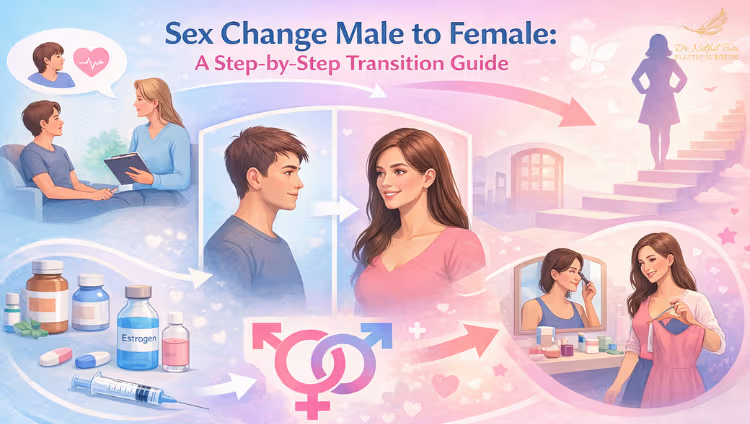
Male to Female Transition (MTF): Complete Step-by-Step Guide to Gender Affirming Journey
Deciding to transition from Sex Change Male to Female is a brave and life-changing decision. It is a journey of finding your true self. For many, this process—often called Gender Affirmation or Gender Reassignment—is the key to living a happy and authentic life.
However, the journey can feel overwhelming. There are many medical, emotional, and social steps involved. This guide will walk you through the entire process in simple steps, helping you understand what to expect.
If you are looking for medical help in India, choosing the right doctor is vital. Many people seek the Best Plastic surgeon in Lucknow to ensure their surgical results are natural and safe.
What is MTF Transition?

MTF transition is the process where a person assigned male at birth changes their physical appearance and social identity to match their female gender identity. This journey is different for everyone. Some people choose only social changes, while others opt for hormones and multiple surgeries.
The goal is to reduce “Gender Dysphoria”—the distress felt when your body does not match your mind.
Step 1: Mental Health Support and Counseling
The first step isn’t usually medical; it’s mental and emotional.
-
Find a Gender Therapist: Before starting any physical changes, it is important to talk to a professional. A therapist helps you understand your feelings and prepares you for the challenges of transitioning.
-
Diagnosis of Gender Dysphoria: In most countries, including India, you need a formal letter from a psychiatrist to start Hormone Replacement Therapy (HRT) or surgery.
-
Support Systems: Joining support groups (online or in-person) allows you to talk to others who have already gone through the transition.
Step 2: Social Transition
Social transition is about how you live your life in public. This step helps you feel more comfortable in your skin before undergoing permanent medical changes.
-
Coming Out: Telling family, friends, and coworkers about your identity.
-
Changing Your Name: Many people choose a new name that reflects their true self.
-
Pronouns: Asking people to use “she/her” pronouns.
-
Style and Grooming: Changing your hairstyle, wearing feminine clothing, and learning how to use makeup.
-
Voice Training: Working with a speech therapist to move your voice to a more feminine pitch and resonance.
Step 3: Hormone Replacement Therapy (HRT)
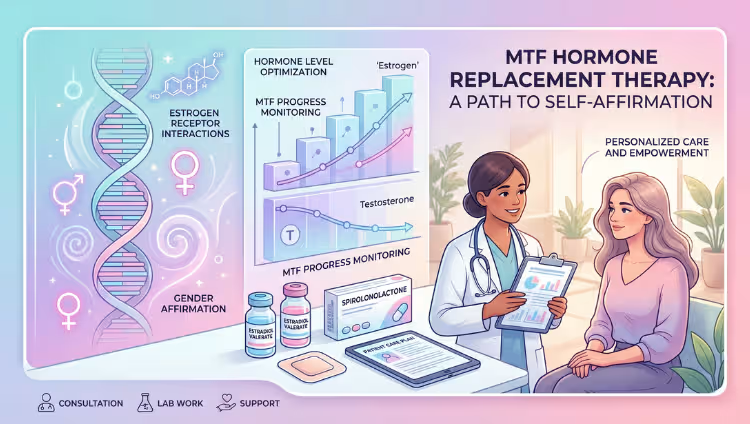
Once you have your medical clearance, the next big step is hormones. For MTF transition, this involves taking Estrogen and Anti-androgens (testosterone blockers).
What happens during HRT?
-
Softer Skin: Your skin becomes less oily and much softer.
-
Breast Development: You will start to grow breast tissue (though the size varies for everyone).
-
Fat Redistribution: Fat moves from your belly to your hips and thighs, creating a more feminine shape.
-
Reduced Body Hair: Hair on your chest, arms, and legs becomes thinner and grows more slowly.
-
Emotional Changes: You may feel your emotions more deeply.
Note: HRT is a slow process. It usually takes 2 to 5 years to see the full effects.
Step 4: Surgical Transition (Gender Affirmation Surgeries)
For many, surgery is the final step to feeling complete. Because these surgeries are complex, you must find a cosmetic surgeon in Lucknow to achieve the best aesthetic results.
The surgical journey is usually divided into three main parts:
1. Facial Feminization Surgery (FFS)
The face is the first thing people see. FFS changes masculine facial features into feminine ones. Common procedures include:
-
Brow Bone Reduction: Smoothing the forehead.
-
Rhinoplasty (Nose Job): Making the nose smaller or more delicate.
-
Jaw and Chin Contouring: Making the lower face look softer.
-
Tracheal Shave: Reducing the “Adam’s Apple.”
2. Breast Augmentation
While hormones help with breast growth, many women choose implants to get the size and shape they desire. Consulting the Best Plastic surgeon in Lucknow will help you choose the right type of implant (saline or silicone) for your body type.
3. Bottom Surgery (Gender Reassignment Surgery)
This is the surgery to change the genitals.
-
Orchiectomy: Removal of the testicles.
-
Vaginoplasty: Creating a vagina using existing tissue. This is a major surgery that requires a long recovery time and a very skilled surgeon.
4. Body Contouring
Sometimes, diet and hormones aren’t enough to get an “hourglass” figure. Surgeons can use liposuction to remove fat from the waist and move it to the buttocks (Fat Grafting).
Step 5: Legal Documentation
Transitioning also involves paperwork. This step ensures your legal identity matches your physical self.
-
Updating your Aadhaar card or Passport.
-
Changing gender markers on educational certificates.
-
Updating bank accounts and employment records.
In India, the Transgender Persons (Protection of Rights) Act provides a framework for changing your legal gender identity.
Why Choosing the Right Surgeon Matters
If you are in Uttar Pradesh or nearby regions, you don’t need to travel to Mumbai or Delhi for world-class care. Lucknow has become a hub for medical excellence.
When looking for the Best Plastic surgeon in Lucknow, look for these qualities:
-
Experience: How many MTF surgeries have they performed?
-
Portfolio: Ask to see before-and-after photos of previous patients.
-
Empathy: The surgeon should respect your identity and listen to your goals.
-
Hospital Facility: Ensure the surgery is performed in a high-tech, hygienic hospital.
Finding a cosmetic surgeon in Lucknow ensures that your scars are minimal and your results look as natural as possible.
The Recovery Phase: What to Expect
Surgery is a major event for the body. Recovery takes time and patience.
-
Hospital Stay: Depending on the surgery, you may stay in the hospital for 1 to 7 days.
-
Initial Healing: The first 2 weeks involve swelling and some discomfort. You will need to take prescribed painkillers.
-
Long-term Recovery: For bottom surgery, full healing and “dilation” (a process to keep the vagina open) can take several months.
-
Follow-ups: Regular visits to your surgeon are necessary to track your progress.
Tips for a Successful Transition
-
Be Patient: Changes don’t happen overnight. It is a marathon, not a sprint.
-
Stay Healthy: Stop smoking at least 6 weeks before any surgery, as smoking slows down healing.
-
Eat Well: A protein-rich diet helps your body repair tissues after surgery.
-
Stay Positive: Surround yourself with people who love and support your journey.
Frequently Asked Questions (FAQs)
1. How long does the entire MTF transition take?
The timeline is different for everyone. Social transition can take a few months, while the full physical effects of hormones take 2–5 years. Surgeries are usually spaced out over 1–3 years to allow the body to heal.
2. Is MTF surgery reversible?
Most gender-affirming surgeries, especially bottom surgery and breast augmentation, are considered permanent. It is very important to be 100% sure and have proper counseling before proceeding with surgery.
3. Can I have children after transitioning?
Hormone therapy and bottom surgery usually lead to infertility. If you wish to have biological children in the future, it is highly recommended to freeze your sperm (sperm banking) before starting HRT or having surgery.
4. Does insurance cover sex change surgery in India?
Currently, some private insurance companies in India have started covering gender-affirming surgeries, but it depends on your specific policy. Some government schemes are also beginning to provide support for the transgender community.
5. How do I find the best cosmetic surgeon in Lucknow for my transition?
Start by researching online reviews. Look for surgeons who specialize in “Gender Reassignment Surgery” or “Transgender Care.” Schedule a consultation to discuss their experience and your specific goals.
6. Is the surgery painful?
Like any major surgery, there is discomfort. However, with modern anesthesia and pain management techniques used by the Best Plastic surgeon in Lucknow, the pain is well-controlled. Most patients find the temporary discomfort worth the lifelong happiness.
7. At what age can I start the transition?
In most places, you must be 18 to undergo surgery. However, with parental consent and medical guidance, some people start “puberty blockers” or hormone therapy in their late teens.
Conclusion: Embracing Your True Self
The journey from male to female is about more than just medical procedures—it is about finding peace. While the steps might seem long and the surgeries complex, the result is the freedom to be who you truly are.
By working with expert medical professionals, such as the best cosmetic and plastic surgeon in Lucknow, you can ensure your transition is safe, professional, and beautiful. Remember, you are not alone on this path. There is a whole community waiting to welcome you as your true self.
Take the First Step Today!
Are you ready to begin your journey toward your authentic self? Choosing the right medical partner is the most important decision you will make.
Consult with the Best Plastic surgeon in Lucknow today!
Schedule a private, compassionate consultation to discuss your goals, ask your questions, and create a personalized transition plan. Your new life is waiting—take the first step with confidence.
[Contact Us Now to Book Your Consultation]