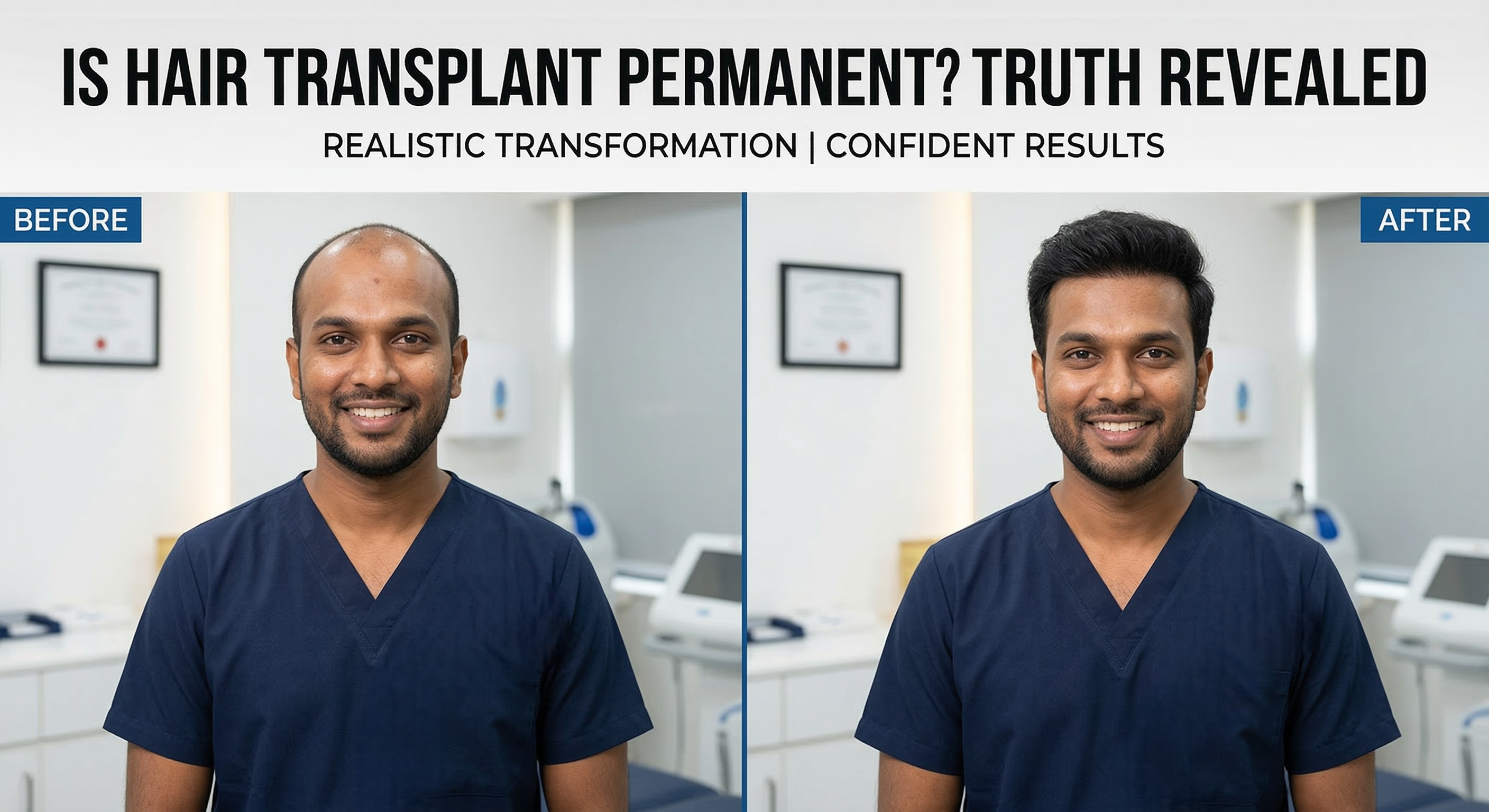
Posted By Dr Nikhil Puri | Best plastic surgeon in lucknow
Yes, hair transplant is generally permanent because transplanted hair follicles are resistant to hair loss hormones. However, natural hair may still thin over time.
Hair loss has become one of the most common concerns affecting millions of people worldwide, especially men over the age of 25. Whether it’s a receding hairline, thinning crown, or complete baldness, the emotional and psychological impact can be significant.
With modern advancements in cosmetic procedures, hair transplant surgery has emerged as a highly effective solution. Many people searching for a hair transplant in Lucknow or consulting a qualified plastic surgeon in Lucknow are often drawn to one big promise:
👉 Permanent hair restoration
But is that promise completely true?
Before you invest your time, money, and expectations into this procedure, it’s important to understand the reality behind hair transplant permanence. In this in-depth guide, we’ll break down everything—from how it works to how long it lasts, what affects results, and whether you may need future procedures.
What Is a Hair Transplant? (Complete Beginner Guide)
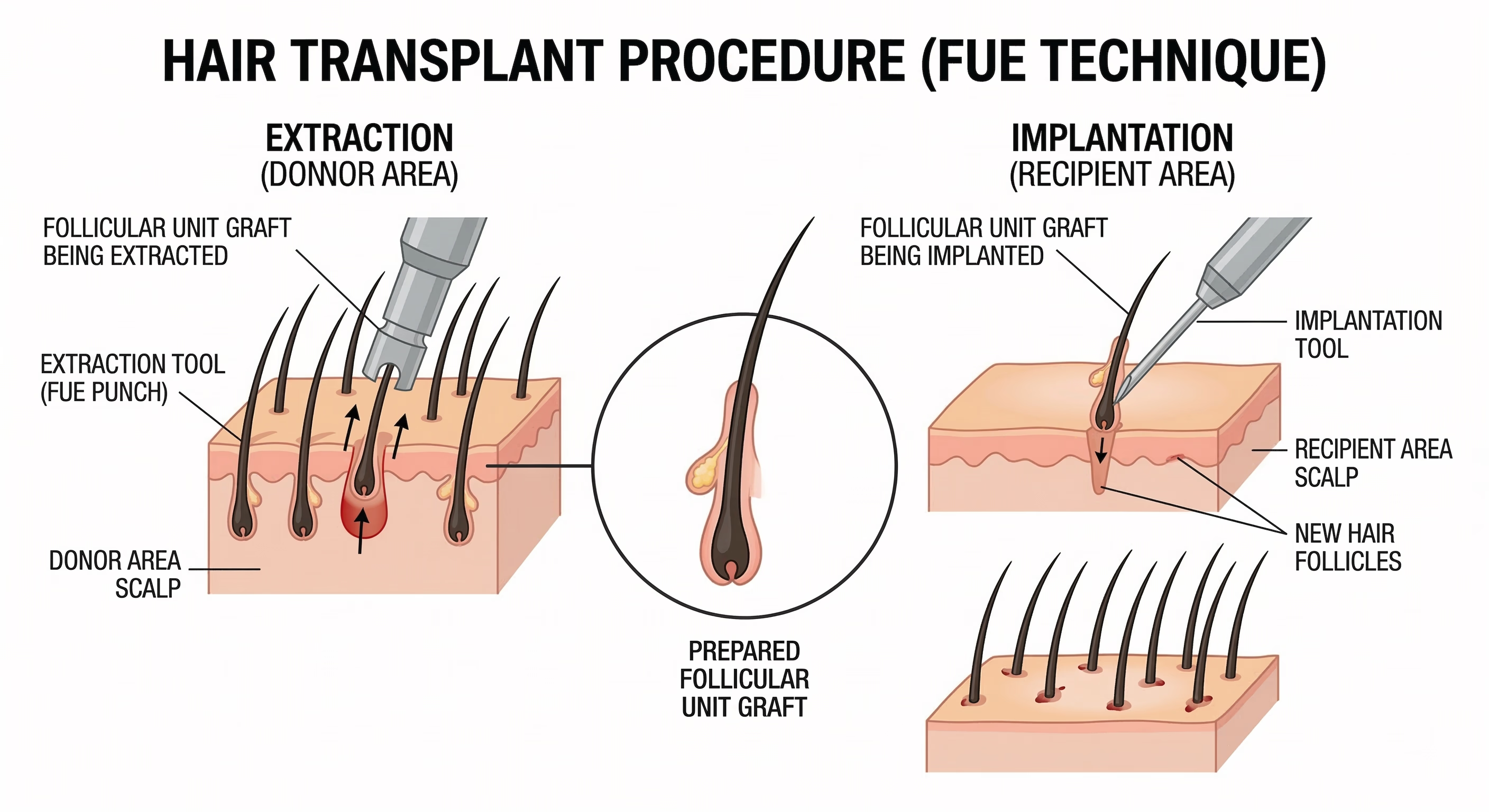
A hair transplant is a medical cosmetic procedure that involves transferring healthy hair follicles from a donor area (usually the back or sides of the scalp) to areas experiencing hair loss.
Unlike temporary solutions like wigs or medications, a transplant aims to restore natural hair growth permanently.
How Hair Transplant Works
The procedure typically involves:
-
Extracting individual hair follicles or strips of scalp tissue
-
Preparing the recipient area (bald or thinning region)
-
Implanting follicles in a natural pattern
Once implanted, these follicles establish a blood supply and begin growing hair naturally.
Experienced professionals like Dr. Nikhil Puri, known for performing advanced hair transplant in Lucknow, focus on precise angle, depth, and density to ensure natural-looking outcomes.
Types of Hair Transplant Techniques
1. FUE (Follicular Unit Extraction)
-
Most popular technique
-
Minimal scarring
-
Faster recovery
-
Ideal for modern patients
2. FUT (Follicular Unit Transplantation)
-
Strip-based method
-
Suitable for high graft requirements
-
Leaves a linear scar
3. DHI (Direct Hair Implantation)
-
Advanced version of FUE
-
High precision and density
-
Faster implantation process
Choosing the right technique depends on your hair condition and the expertise of your hair transplant doctor in Lucknow.
Is Hair Transplant Permanent? (The Real Truth Explained)
👉 Yes, hair transplants are generally permanent—but not in the way most people think.
Why Transplanted Hair Is Permanent
Hair used in transplantation comes from areas of the scalp that are resistant to the hormone DHT (Dihydrotestosterone), which is responsible for hair loss.
Once transplanted:
-
These follicles retain their resistance
-
They continue growing hair for years, often for life
-
They behave just like natural hair
This is why procedures performed by experts like Dr. Nikhil Puri, a trusted plastic surgeon in Lucknow, can deliver long-lasting results.
The Reality You Must Understand
While transplanted hair is permanent:
-
Your existing natural hair may continue to fall
-
Hair density can change over time
-
Aging still affects hair thickness
👉 So, a hair transplant is permanent—but not a complete cure for baldness.
How Long Does a Hair Transplant Last?
A well-performed hair transplant can last 10 to 25 years or even a lifetime, depending on multiple factors.
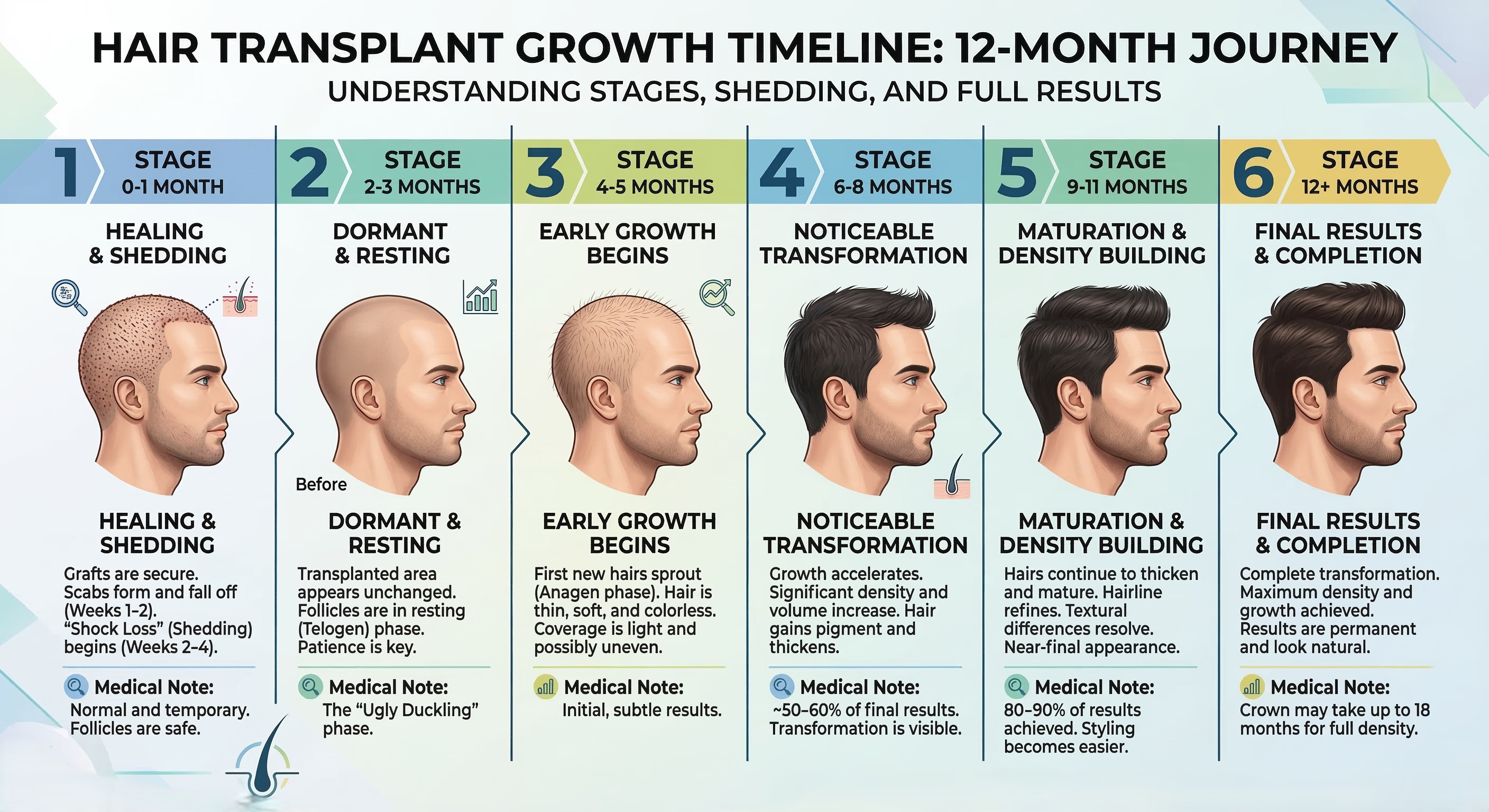
Hair Growth Timeline After Transplant
| Time Period | What Happens |
|---|---|
| 0–3 Months | Shedding phase (shock loss) |
| 3–6 Months | Early regrowth begins |
| 6–9 Months | Noticeable hair growth |
| 12–18 Months | Full results visible |
| 2–10+ Years | Stable and permanent growth |
Long-Term Expectations
-
Hair continues to grow like natural hair
-
You can cut, style, and treat it normally
-
Results improve gradually over time
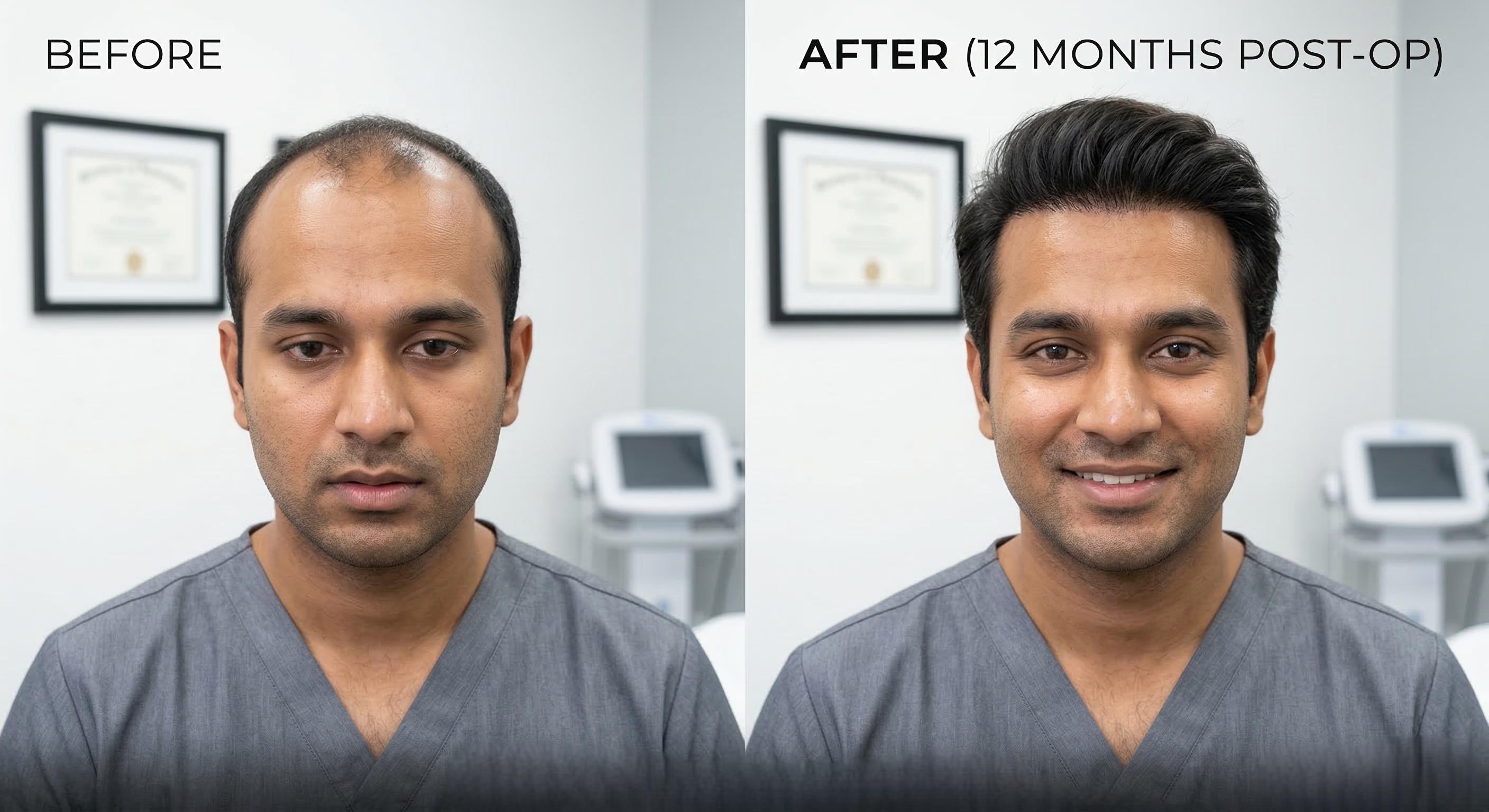
Patients who choose an experienced hair transplant doctor in Lucknow typically experience better long-term outcomes.
Why Hair Transplants Are Considered Permanent
Hair transplant success is based on a principle called donor dominance.
Key Scientific Reasons
-
Donor hair is genetically resistant to hair loss
-
Hair follicles are permanently relocated
-
Growth cycles continue naturally
This makes hair transplants one of the few long-term solutions for baldness.
What Hair Transplant Does NOT Fix
Understanding limitations is crucial before surgery.
❌ It does not stop future hair loss
❌ It does not create unlimited density
❌ It does not prevent aging-related thinning
This is why experts like Dr. Nikhil Puri recommend a long-term hair management plan, especially for younger patients.
Can Transplanted Hair Fall Out Again?
Shock Loss (Temporary)
-
Happens within first few weeks
-
Completely normal
-
Hair regrows within 3–6 months
Permanent Loss (Rare Cases)
-
Poor surgical technique
-
Inexperienced surgeon
-
Improper aftercare
-
Health conditions
Choosing a skilled plastic surgeon in Lucknow significantly reduces these risks.
Factors That Affect Hair Transplant Permanence
Not all results are equal. Here’s what matters most:
1. Surgeon’s Expertise
An experienced professional like Dr. Nikhil Puri ensures:
-
Proper graft placement
-
High survival rate
-
Natural hairline design
2. Donor Hair Quality
-
Strong donor hair = better results
-
Weak donor area = limited success
3. Age and Genetics
-
Younger patients may need future procedures
-
Genetic hair loss patterns continue
4. Lifestyle Factors
-
Smoking reduces blood flow
-
Stress affects hair growth
-
Poor diet impacts results
5. Post-Surgery Care
Following instructions is critical for long-term success.
Will You Need Another Hair Transplant?
In many cases, yes.
Probability of Second Hair Transplant
| Condition | Likelihood |
|---|---|
| Early-stage hair loss | Low |
| Moderate hair loss | Medium |
| Advanced baldness | High |
| Ongoing thinning | High |
| Aging (10–15 years later) | Medium |
Why Second Procedures Are Common
-
Hair loss is progressive
-
Patients want more density
-
New areas may thin over time
Pros and Cons of Hair Transplant
Benefits
✅ Permanent solution (for transplanted hair)
✅ Natural appearance
✅ Improved confidence
✅ Low maintenance
Limitations
❌ High cost
❌ Requires patience
❌ Not a total cure for baldness
❌ Possible need for multiple sessions
Who Is the Ideal Candidate?
You are a good candidate if:
-
You have stable hair loss
-
You have a healthy donor area
-
You have realistic expectations
-
You consult an experienced hair transplant doctor in Lucknow
Expert Tips Before Getting a Hair Transplant
Before Surgery
-
Choose a certified and experienced surgeon
-
Avoid low-cost, low-quality clinics
-
Check real patient results
After Surgery
-
Follow medical advice strictly
-
Avoid smoking and alcohol
-
Maintain scalp hygiene
Experts like Dr. Nikhil Puri emphasize that proper aftercare can significantly impact long-term results.
Hair Transplant in Lucknow – Why It’s a Smart Choice
Lucknow is rapidly becoming a preferred destination for cosmetic procedures.
Advantages
-
Affordable compared to metro cities
-
Access to skilled professionals
-
Advanced techniques available
-
Personalized patient care
If you’re planning a hair transplant in Lucknow, selecting an experienced expert like Dr. Nikhil Puri ensures better safety, precision, and long-term success.
Final Verdict – Is Hair Transplant Permanent?
👉 Yes, hair transplants are mostly permanent.
But remember:
-
Only transplanted hair is permanent
-
Natural hair may continue to fall
-
Long-term success depends on care and expertise
✔️ Think of it as a long-term investment, not a one-time miracle.
FAQs
Is hair transplant permanent for life?
Yes, transplanted hair is usually permanent, but surrounding hair may thin over time.
Can transplanted hair fall out after 10 years?
Rarely, but aging and genetics can affect density.
Do I need medicine after hair transplant?
Yes, medications help maintain existing hair.
How many years does a hair transplant last?
Typically 10–25 years or even a lifetime.
Is hair transplant safe and worth it?
Yes, when performed by a qualified expert, it is safe and effective.
Conclusion
A hair transplant is widely regarded as one of the most effective and reliable long-term solutions for hair loss. However, before deciding to undergo the procedure, it is crucial to clearly understand what “permanent” truly means in this context. Many people assume that a hair transplant will completely stop hair loss forever, but the reality is slightly more nuanced.
The good news is that transplanted hair is generally permanent. This is because the hair follicles used in the procedure are taken from areas of the scalp that are genetically resistant to the hormone responsible for hair loss. Once these follicles are implanted into thinning or bald areas, they continue to grow naturally for many years—often for a lifetime. This is why hair transplants deliver such natural and long-lasting results when performed correctly.
However, it’s equally important to understand that while the transplanted hair remains stable, your existing natural hair may continue to thin or fall out over time. Hair loss is a progressive condition, especially in individuals with genetic predisposition. This means that although the transplanted hair stays, surrounding areas might still experience gradual thinning, which can affect overall hair density in the long run.
Because of this, a hair transplant should not be viewed as a one-time “quick fix,” but rather as a long-term investment in your appearance and confidence. Achieving the best possible outcome requires careful planning, proper expectations, and sometimes even future touch-up procedures to maintain density and balance.
One of the most important factors influencing your results is the expertise of your plastic surgeon in Lucknow. A skilled and experienced surgeon ensures precise graft placement, natural hairline design, and maximum follicle survival. Choosing the right professional can make a significant difference in both the immediate outcome and how well your results age over time.
In addition to the surgeon’s skill, your genetics and lifestyle also play a major role. Factors such as stress, smoking, poor diet, and underlying health conditions can impact hair health and growth. Maintaining a healthy lifestyle and following medical advice can greatly improve the longevity of your results.
Equally important is your commitment to long-term care. Post-surgery care, regular follow-ups, and in some cases, supportive treatments like medications can help preserve your existing hair and enhance overall results.
In conclusion, a hair transplant is indeed a powerful and long-lasting solution for hair loss. While it offers permanent results for transplanted hair, maintaining overall hair density requires ongoing care and realistic expectations. When done right—and combined with proper maintenance—it can restore not just your hair, but also your confidence for years to come.